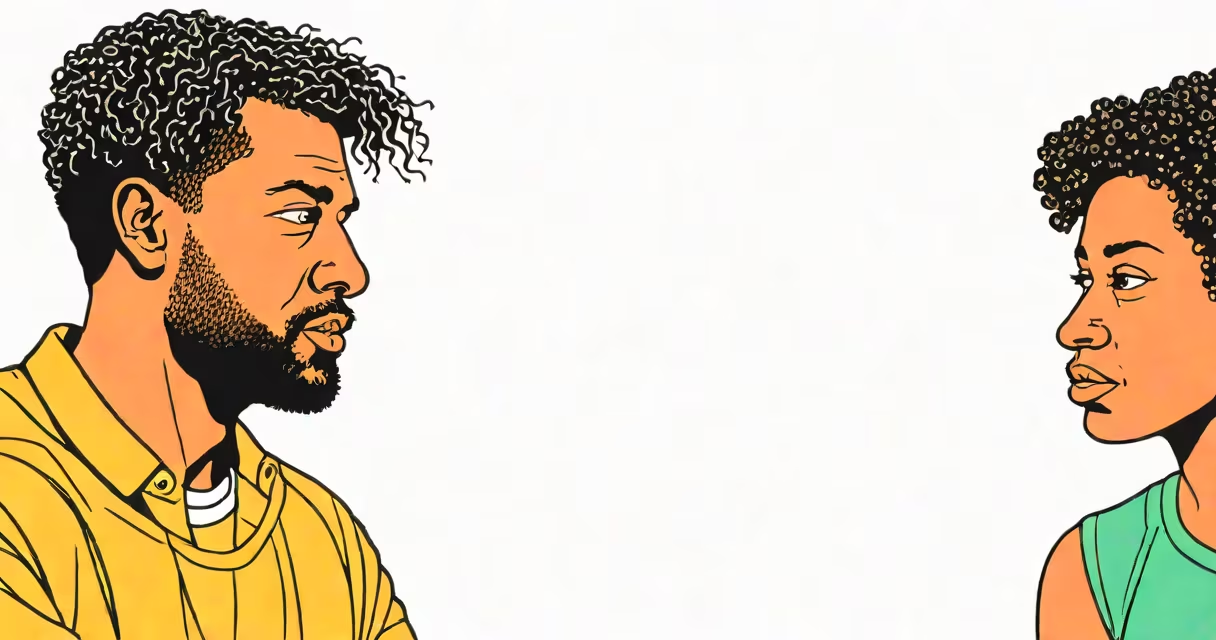
"Am I the toxic one in the relationship?" is a question rooted in self-reflection, not blame. It arises when one partner experiences emotional distress and seeks clarity about their role in recurring conflict. Toxicity in relationships isn't defined by single actions-it emerges from persistent patterns of disrespect, control, or emotional harm.
Toxic behavior isn't limited to overt aggression. It includes passive-aggressive remarks, gaslighting, emotional withdrawal, and consistent invalidation of the other person's feelings. The American Psychological Association defines emotional abuse as behaviors that undermine a person's sense of reality or self-worth, including manipulation, criticism, and isolation. These patterns often go unnoticed until they've caused lasting damage.
When you ask "am I the toxic one in the relationship," you're not seeking a label-you're trying to understand whether your actions contribute to a cycle of pain. This question reflects awareness, not guilt. The goal isn't to assign fault but to identify behavioral patterns that may be harming the connection.
Toxic dynamics develop through repetition. A single angry outburst doesn't make someone toxic. But when anger leads to name-calling, threats, or silence as punishment, it crosses into harmful territory. The National Domestic Violence Hotline reports that 90% of domestic violence cases involve psychological abuse before physical violence occurs. Emotional manipulation often begins subtly-criticizing choices, questioning memories, or dismissing emotions as "overreactions."
One common pattern is the "silent treatment." Research published in the Journal of Social and Personal Relationships shows that prolonged silence during conflict increases anxiety and reduces problem-solving ability. When one partner withdraws emotionally after disagreements, it creates fear and confusion. The other person may start anticipating conflict, leading to hypervigilance and emotional exhaustion.
Another sign is controlling behavior. This isn't just checking phones or tracking location-it's making decisions without input, discouraging friendships, or pressuring the partner to conform to your expectations. The CDC notes that controlling behavior is a key predictor of escalating abuse. It's not about love-it's about power.
Many people assume toxicity equals shouting or hitting. But emotional abuse often hides in quieter forms. A partner who says, "You're too sensitive" when you express hurt is using dismissal as a tool of control. So is blaming the other for their own bad behavior: "You made me do this."
Some confuse healthy conflict with toxicity. Disagreements aren't toxic-but when they escalate into personal attacks, threats, or refusal to communicate, they become destructive. The difference lies in intent and impact. Healthy conflict aims to resolve issues. Toxic conflict aims to win or dominate.
A major misconception is that being "the victim" makes someone immune to toxicity. People who were abused in past relationships may repeat unhealthy patterns because trauma shapes attachment styles. The National Child Traumatic Stress Network confirms that childhood adversity increases the risk of entering abusive adult relationships. Recognizing this doesn't excuse harmful behavior-it explains it.
Use specific, observable behaviors-not feelings-to evaluate your actions. Ask: Have I repeatedly ignored my partner's boundaries? Do I dismiss their emotions as irrational? Have I isolated them from friends or family?
Consider this scenario: A partner shares they're stressed about work. Instead of offering support, you respond with, "You always stress over nothing." Later, you say, "I'm just being honest." That's not honesty-it's invalidation. It shuts down communication and reinforces shame.
Track your interactions for one week. Note moments when you:
If three or more of these appear, it suggests a pattern of emotional harm. The presence of multiple instances matters more than any single event.
Use this comparison to clarify the distinction:
| Healthy Conflict | Toxic Pattern |
|---|---|
| Disagrees about plans but listens to concerns | Refuses to compromise and calls the partner "selfish" |
| Apologizes after raising voice | Denies wrongdoing and blames the partner for "making me angry" |
| Asks, "How did this affect you?" | Says, "You're overreacting again" |
| Agrees to take space to cool down | Stops communicating entirely for days |
Healthy conflict resolves tension. Toxic patterns deepen it. The key difference is accountability. In toxic relationships, one person avoids responsibility. They don't see their role in the problem.
I once observed a couple where the woman consistently blamed her partner for her anxiety. She'd say, "You never listen." He'd reply, "You never stop talking." After five sessions, we uncovered that she had grown up in a household where emotional expression was punished. Her need to talk wasn't manipulation-it was a survival response. Once she understood this, she began expressing needs without accusation. His defensiveness softened. The changing shifted.
If you're asking "am I the toxic one in the relationship," the first step is stopping the search for a label. Focus on behavior, not identity. You are not "toxic"-you may be engaging in toxic behaviors. That's a critical distinction.
Start with a journal. Record interactions using facts, not interpretations. Instead of "They didn't care," write: "Partner left the room after I asked for help with chores." Be precise. Then ask: Was my request reasonable? Did I respond calmly? Did I consider their perspective?
Seek feedback from a neutral third party. Trusted friends or therapists can spot patterns you miss. The American Counseling Association recommends couples therapy for partners who recognize recurring issues but struggle to change. Therapy isn't about fixing the other person-it's about changing your part in the system.
Understanding your role in a relationship doesn't require self-punishment. It requires honesty. If you're asking "am I the toxic one in the relationship," you're already on the path toward healing. The next step is action-not judgment.
Recognizing toxic patterns is not failure. It's courage. And it's the foundation of healthier connections.