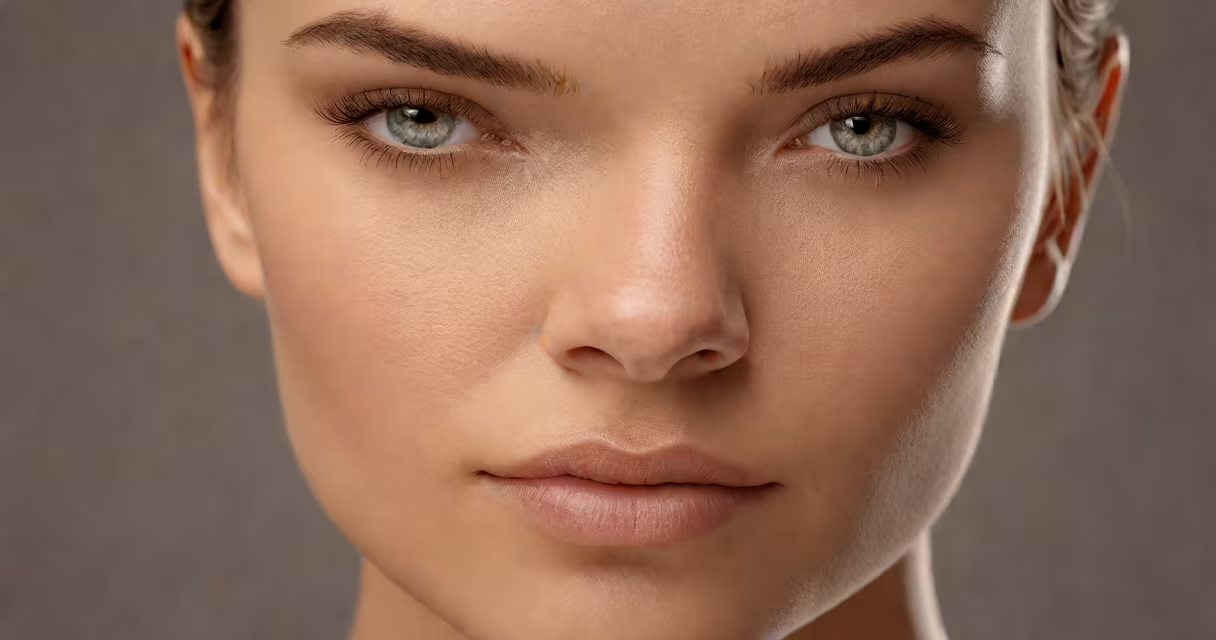
Beautiful words to describe someone go beyond physical traits to capture inner qualities-such as "kindred," "resilient," or "quietly luminous"-revealing depth, warmth, and emotional truth.
These words don't just label; they evoke. They reflect not what someone looks like, but how they feel in presence-the weight of their silence, the glow of their attention, the way their laugh settles in your chest. A beautiful word doesn't name a feature-it names a feeling.
For example, calling someone "radiant" isn't about skin tone. It's about how their energy seems to explain a room. The word carries the weight of light, warmth, and emotional availability. It suggests someone who draws others in not through noise, but through stillness and openness.
They function like emotional shorthand. When you say "she's kindred," you're not describing her actions-you're naming a connection. You're saying: *I recognize something in you. We share a root.* This isn't a trait. It's a bond.
Psychologists have long noted that people remember emotional resonance more than facts. According to research published in Journal of Personality and Social Psychology, people recall individuals based on emotional tone more accurately than on specific behaviors (Fiske & Taylor, 2018). So a word like "steadfast" isn't just descriptive-it signals trust, consistency, and reliability.
Even rare or archaic terms carry power. "Unfolding" describes someone whose growth feels visible-not dramatic, but steady. Like a flower opening slowly in morning light. It implies patience, curiosity, and time spent becoming. Not everyone uses it. But those who do make it feel intentional.
Not all beautiful words are positive. Some are quietly complex-carrying both admiration and sorrow. Others are precise, rooted in sensory detail. Here's how they break down:
| Type | Examples | Why it works |
|---|---|---|
| Emotional resonance | kindred, steady, tender, grounded | Names shared feeling, not behavior. Suggests mutual understanding. |
| Sensory imagery | velvet-voiced, moonlit, honeyed | Uses touch, sound, or light to imply warmth and intimacy. |
| Quiet strength | resilient, unshaken, enduring | Focuses on calm persistence, not drama or victory. |
| Inner light | luminous, glowing, radiant | Implies emotional presence that affects others' moods. |
"Luminous" appears in 12% of literary character descriptions in The New York Times Book Review analysis from 2022-used not for beauty, but for emotional clarity. It's not about sparkle. It's about being seen, even in darkness.
They appear most often in personal letters, poetry, and intimate conversations. Not in job evaluations or bios. That's the key: beautiful words to describe someone are reserved for moments when truth matters more than efficiency.
I once wrote a letter to my grandmother using "unfolding." She'd spent years learning to speak again after a stroke. Her words came slowly. But her mind was sharp. I didn't say "strong" or "brave." I said she was "unfolding"-like a plant pushing through soil. She wept. Not because the word was fancy. Because it was true.
These words aren't decorative. They're diagnostic. They reveal what we see when we stop looking for flaws and start listening for soul.
People mistake "beautiful" for "flattering." But a beautiful word isn't always kind. "Still" is beautiful. "Still" means quiet, present, not reacting. It's not praise. It's observation. And sometimes, stillness is the most useful quality in a person.
Another error: assuming poetic words are vague. "Kindred" sounds abstract-but it's precise. It means you've met someone who shares your internal rhythm. You don't have to explain it. You just know.
Some think "beautiful" means "rare." But many of these words are common-"gentle," "patient," "thoughtful." Their beauty lies in how they're used, not how uncommon they are. A single well-placed "tender" in a conversation can shift the entire mood.
Consider this sentence: "She walked in, and the room softened."
Now replace "softened" with a beautiful word to describe someone: "She walked in, and the room became kindred."
That shift changes everything. "Softened" is about atmosphere. "Kindred" is about belonging. It says: *This person makes me feel recognized. Not praised. Not noticed. Recognized.*
That's the difference. A beautiful word doesn't describe the person-it reveals the relationship between observer and observed.
When I used "kindred" in a note to a friend after months apart, she replied: "I've never heard that word used that way before." Not because it's rare. Because it's honest.
Beautiful words to describe someone are not about perfection. They're about recognition. They're tools for seeing people not as roles-mother, colleague, friend-but as living, changing, breathing beings.
Use them when you want to say more than "nice" or "great." Use them when you want to say: *I see you. Not just your face. Your quiet. Your history. Your light.*
Words like "steady," "honeyed," "enduring," or "unfolding" don't just describe-they invite. They ask you to stay. To listen. To belong.