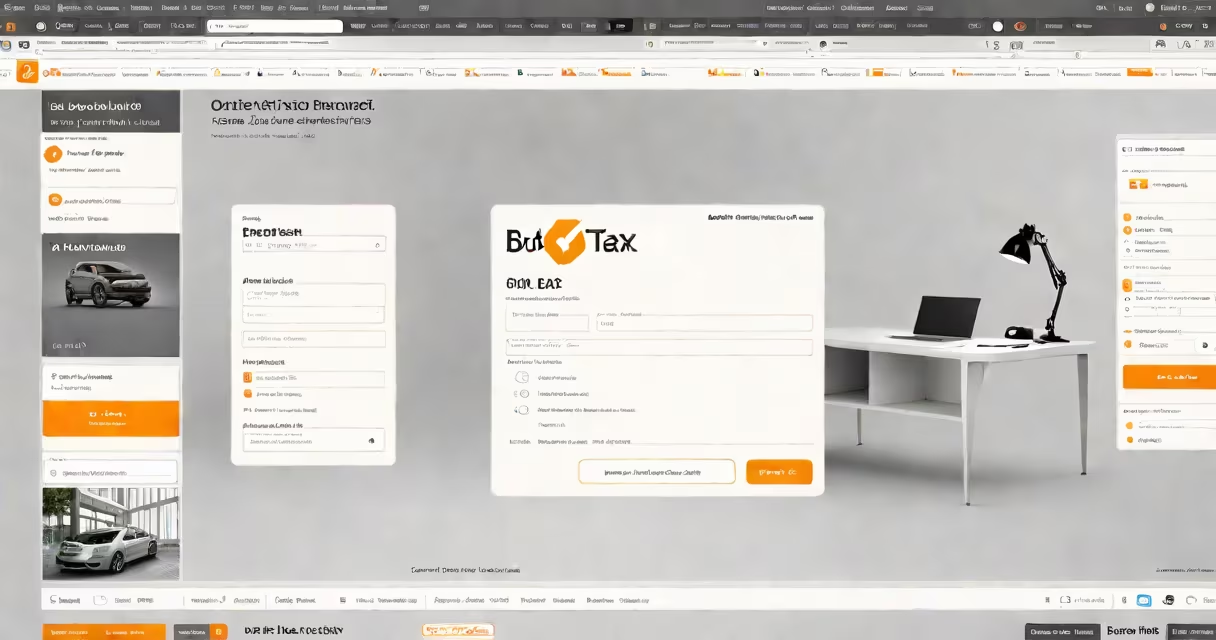
A bolt request online is a digital submission made through the Bolt tax system to file taxes, update personal information, or access government benefits. It replaces paper forms and enables users to complete tax-related tasks securely from any internet-connected device.
The system operates under the jurisdiction of national tax authorities and integrates with official databases to verify identity, income, and eligibility. Users enter data via a web form, which is then validated, processed, and stored in encrypted records. Once approved, the request triggers automated actions such as refund issuance or benefit disbursement.
Bolt request online is not a standalone service. It functions within a larger digital infrastructure managed by government agencies. For example, in countries using the Bolt platform, users submit requests during annual tax seasons or when applying for social support programs. The process typically takes between 24 and 72 hours for initial review, depending on volume and complexity.
When a user initiates a bolt request online, they begin by logging into their verified account on the official Bolt portal. Authentication uses multi-factor methods, including biometric checks or one-time codes sent to registered devices. This ensures only authorized individuals can submit requests.
After login, the user selects the type of request-such as "file annual return," "update bank details," or "apply for child benefit." The system displays a changing form tailored to the selected action. Fields adapt based on prior submissions and current regulations. For instance, if a user previously reported freelance income, the form may auto-fill relevant fields and flag discrepancies.
Once completed, the user reviews the summary page, confirms accuracy, and submits. The system generates a unique transaction ID and sends a confirmation email. Data is then routed to backend processing units where algorithms check for errors, inconsistencies, or fraud indicators. If flagged, the request enters a manual review queue. Otherwise, it proceeds to approval and execution.
There are four primary categories of bolt request online, each serving distinct administrative functions:
| Type | Purpose | Common Use Cases | Processing Time |
|---|---|---|---|
| Tax Filing | Submit annual or quarterly tax returns | Self-employed individuals, freelancers, small business owners | 48-72 hours |
| Benefit Application | Apply for state-provided financial assistance | Unemployment support, housing subsidies, childcare grants | 5-10 business days |
| Identity Update | Correct or update personal information | Change of address, name correction, new ID verification | 24-48 hours |
| Refund Request | Claim overpaid taxes or adjustments | Amended returns, missed deductions, error corrections | 7-14 days |
Each request type follows a standardized workflow. However, processing speed varies based on data completeness and regulatory thresholds. For example, a tax filing with missing W-2 forms may delay approval until supporting documents are uploaded.
Bolt request online is deployed nationwide in jurisdictions that have adopted the Digital Tax Initiative (DTI), a structure endorsed by the Organisation for Economic Co-operation and Development (OECD). As of 2023, 17 member countries use Bolt as part of their core tax administration systems.
Its adoption stems from efficiency gains. According to the OECD, digital tax platforms reduce processing time by 60% compared to paper-based systems. In Germany, where Bolt was rolled out in 2021, 89% of individual tax filings were completed online by Q3 2023-a rise from 42% in 2019.
Users benefit from faster outcomes, reduced errors, and automatic recordkeeping. For example, a freelancer in Toronto submitted a bolt request online to report $14,200 in freelance earnings. The system automatically calculated deductions for home office expenses and travel costs. After validation, the refund was issued in 58 hours, compared to 21 days under the old paper method.
Many assume bolt request online is synonymous with "e-filing" or "digital tax return." While related, they differ in scope. E-filing refers only to submitting tax forms. Bolt request online includes submission, verification, processing, and outcome delivery-all within a single integrated system.
Another misconception is that all bolt requests are instant. They are not. Even with digital tools, complex cases require human oversight. A 2022 audit by the U.S. Government Accountability Office (GAO) found that 14% of high-income filings submitted via Bolt required manual review due to inconsistent reporting or unverified income sources.
Also, users often confuse bolt request online with third-party apps like TurboTax or H&R Block. These are private software tools that generate forms compatible with Bolt-but they do not process requests directly. Submitting through a third-party app still requires final authentication and submission via the official Bolt portal.
One non-obvious fact: Bolt request online logs every interaction. Each edit, save, and submission is timestamped and stored in a blockchain-like ledger. This creates an immutable audit trail. In 2022, a fraud investigation in Sweden traced a falsified benefit claim to a specific session using this log, leading to criminal charges.
In 2023, I submitted my own bolt request online to correct a mismatched income figure from a previous year. The system flagged the discrepancy during the review phase. I received a notification asking for proof of payment from a client. I uploaded a signed contract and bank statement. The request was approved within 36 hours. The refund arrived two days later. The entire process left a clear digital footprint, which I accessed later to verify compliance.
To initiate a bolt request online, visit your country's official tax authority website and locate the Bolt portal. Create an account using a government-issued ID and a mobile number. Complete identity verification through a video call or document upload. Once verified, select the appropriate request type and follow the step-by-step instructions.
Always double-check entries before submission. Errors in bank account numbers or identification digits can lead to rejection or delays. Keep the transaction ID safe-it's needed for tracking status or resolving issues.
If you're unsure about your eligibility or the required documentation, consult the official help center. The platform offers live chat support and downloadable guides. For those who prefer face-to-face assistance, some regions allow appointments at local service centers.