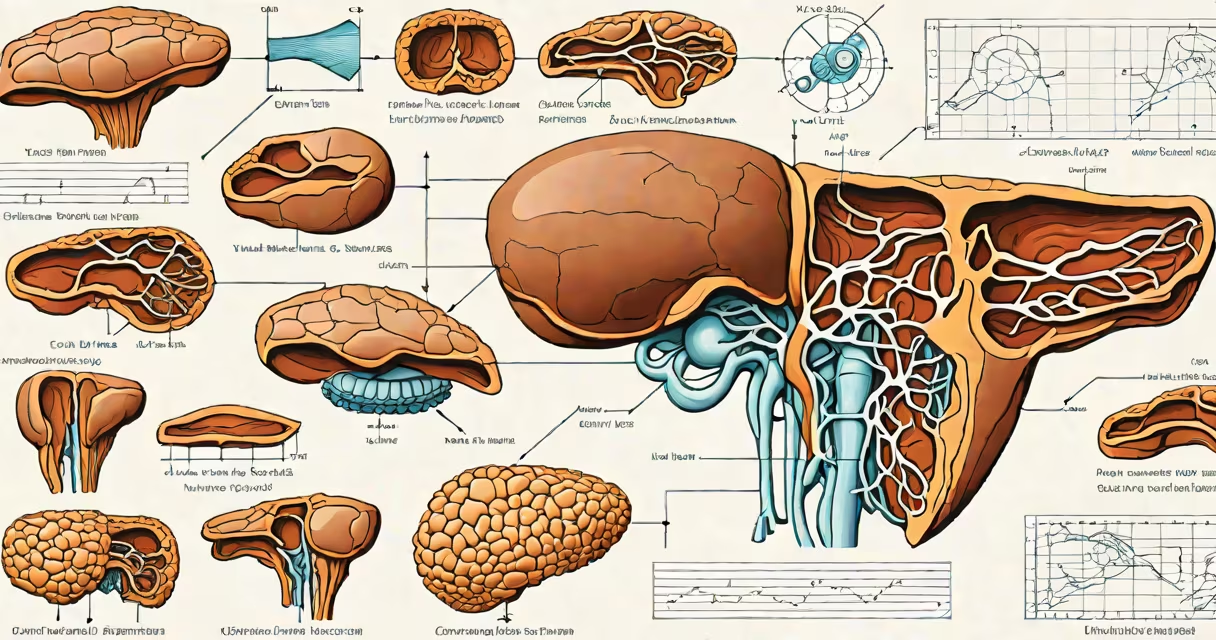
Yes, the liver can swell - a condition medically known as hepatomegaly. This occurs when the organ increases in size due to underlying issues such as fat accumulation, infection, or chronic disease. Swelling may not cause symptoms initially but can indicate serious health problems if left unaddressed.
Hepatomegaly is not a diagnosis itself but a sign of an underlying issue. The liver's role in filtering toxins, processing nutrients, and producing proteins makes it vulnerable to damage from alcohol, viruses, metabolic disorders, and medications. When stressed, the liver may enlarge as part of its response to injury or inflammation.
According to the American Liver Foundation, approximately 25% of adults in the U.S. have non-alcoholic fatty liver disease (NAFLD), a leading cause of liver swelling. Early detection through imaging or blood tests improves outcomes. Not all swelling requires treatment, but persistent enlargement demands medical evaluation.
The liver expands when cells accumulate excess material - most commonly fat, but also fluid, immune cells, or scar tissue. Fat buildup occurs when the liver cannot process dietary fats efficiently, often linked to insulin resistance, obesity, or high triglycerides. Infections like hepatitis B or C trigger immune responses that inflame liver tissue, causing swelling.
Alcohol-related liver disease accounts for about 20% of liver-related deaths in the U.S., according to the Centers for Disease Control and Prevention (CDC). Chronic alcohol consumption damages liver cells, leading to fibrosis and eventual enlargement. Medications such as statins, acetaminophen in high doses, and certain antibiotics can also disrupt liver function and cause swelling.
A 2021 study published in Journal of Hepatology found that patients with NAFLD had a 3.6-fold higher risk of developing cirrhosis compared to those without. This progression shows how early swelling can evolve into irreversible scarring if untreated.
Causes of hepatomegaly fall into several categories based on the mechanism:
| Type | Primary Cause | Prevalence | Key Indicator |
|---|---|---|---|
| Fatty liver | Excess fat deposition | Up to 30% of U.S. adults | Elevated ALT/AST enzymes |
| Infectious | Viral (hepatitis B/C), bacterial, parasitic | ~5% of cases | Jaundice, fever, fatigue |
| Toxic | Alcohol, drugs, toxins | ~15% of cases | History of substance use |
| Metabolic | Genetic disorders (e.g., hemochromatosis) | ~3% of cases | High iron levels, joint pain |
| Neoplastic | Cancer (primary or metastatic) | <1% of cases | Pain, weight loss, rapid growth on imaging |
Non-alcoholic fatty liver disease (NAFLD) is the most common cause globally. It develops silently in people with normal alcohol intake, often tied to metabolic syndrome - a cluster including abdominal obesity, high blood pressure, and elevated blood sugar. A 2022 report from the National Institutes of Health noted that NAFLD prevalence rose from 10% in 2000 to 25% in 2020 among adults aged 40-60.
One non-obvious distinction: liver swelling does not always correlate with symptom severity. Some individuals with moderate enlargement remain asymptomatic, while others with mild swelling report fatigue, nausea, or upper right abdominal discomfort. This mismatch underscores the need for objective testing rather than relying on symptoms alone.
Doctors assess liver size during physical exams using palpation or imaging. A liver extending beyond the right rib cage may suggest enlargement. Ultrasound is the first-line tool - it detects fat, fibrosis, and structural changes without radiation. CT scans and MRIs provide more detail when malignancy or advanced scarring is suspected.
For example, a 52-year-old man with a BMI of 34 presented with fatigue and elevated liver enzymes. An ultrasound revealed a diffusely echogenic liver - a sign of fatty infiltration. He was diagnosed with NAFLD and began lifestyle intervention. After six months of diet and exercise, his liver enzymes normalized and follow-up imaging showed reduced fat content.
When swelling persists despite lifestyle changes, further testing like a liver biopsy may be needed. This procedure samples tissue to identify specific causes - such as steatohepatitis (NASH), autoimmune hepatitis, or early fibrosis. Biopsies are invasive but offer definitive diagnosis when imaging is inconclusive.
Many assume that liver swelling always causes pain or visible jaundice. That's incorrect. Up to 60% of people with fatty liver disease report no symptoms, according to the Mayo Clinic. Swelling can exist for years without noticeable signs, making routine screening important for at-risk populations.
Another misconception: swelling equals failure. A swollen liver doesn't mean it's non-functional. The organ can maintain critical functions - detoxification, protein synthesis, bile production - even when enlarged. Function is assessed via blood work (ALT, AST, bilirubin) and clinical evaluation, not size alone.
I once observed a patient with a 20% larger-than-normal liver on ultrasound who had normal liver enzyme levels and no symptoms. Further investigation revealed mild fatty infiltration with no inflammation. His case illustrates that size alone doesn't determine health status - context matters.
Consult a doctor if you experience persistent right upper quadrant pain, unexplained fatigue, dark urine, pale stools, or yellowing skin. These signals may indicate worsening liver stress. Even without symptoms, individuals with diabetes, obesity, or a family history of liver disease should undergo regular monitoring.
Early intervention prevents progression to cirrhosis or liver cancer. Lifestyle changes - reducing alcohol, managing weight, controlling blood sugar - reverse early-stage swelling in many cases. For those with viral hepatitis, antiviral therapy can halt disease spread.
Can liver swell? Yes. But recognizing the cause and acting early can prevent long-term damage. Monitoring and timely care make a measurable difference in survival and quality of life.