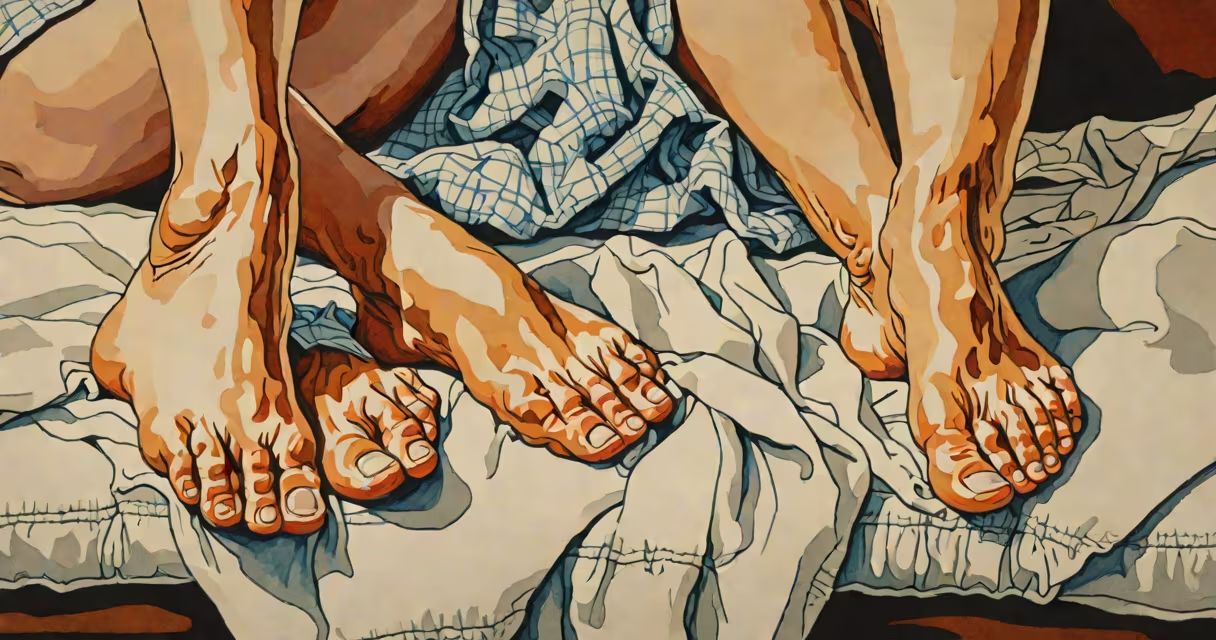
Foot swelling at end of day occurs when fluid accumulates in the lower extremities due to prolonged standing, sitting, or circulatory changes, typically resolving overnight. It's a common symptom linked to gravity, venous insufficiency, or underlying health conditions.
This condition arises when blood and fluid pool in the legs and feet during extended upright activity. The veins in the legs rely on muscle contractions and one-way valves to return blood to the heart. When these mechanisms falter-due to fatigue, inactivity, or structural issues-fluid leaks into surrounding tissues, causing visible puffiness.
Most cases are temporary and harmless. However, persistent or painful swelling may signal deeper issues such as heart failure, kidney disease, or deep vein thrombosis. The American Heart Association notes that edema in the lower limbs can be an early sign of cardiac strain, especially when accompanied by shortness of breath or fatigue.
When you remain upright for hours, gravity pulls fluid downward. The capillaries in the feet and ankles leak plasma into surrounding tissue spaces. Normally, lymphatic vessels clear this fluid, but prolonged pressure overwhelms the system.
For example, a retail worker on their feet for 10-hour shifts often reports morning feet feel normal but develop noticeable swelling by 6 PM. Elevating the feet for 15 minutes after work reduces the volume within 30 minutes, demonstrating the role of gravity and reversibility.
Research from the Journal of Vascular Surgery shows that individuals with weakened venous valves-common in those over 40-experience 30% higher fluid leakage in the lower legs compared to peers with healthy valves. This explains why older adults report more frequent swelling despite similar daily routines.
Foot swelling at end of day falls into two categories: physiological (normal) and pathological (medical concern).
| Type | Typical Triggers | Duration | Red Flags |
|---|---|---|---|
| Physiological | Long standing, travel, hot weather, pregnancy | Resolves overnight | None if painless and symmetric |
| Pathological | Heart failure, kidney disease, liver cirrhosis, DVT | Persistent, worsens over days | Pain, warmth, redness, sudden onset, asymmetry |
Physiological swelling is usually bilateral and improves with rest. Pathological swelling may start subtly but progresses. For instance, someone with early-stage heart failure might notice mild foot swelling after work, which lingers past bedtime and worsens over weeks.
A key distinction is symmetry. Swelling that affects both feet equally is more likely benign. Asymmetrical swelling-especially if one foot is warmer or more tender-raises suspicion for deep vein thrombosis (DVT), a potentially life-threatening clot. The Centers for Disease Control and Prevention (CDC) warns that DVT can lead to pulmonary embolism if untreated.
People often confuse foot swelling at end of day with other conditions. One common error is attributing it solely to weight gain or poor diet. While obesity increases risk, the primary driver is fluid dynamics, not caloric intake.
Another misstep is assuming all swelling requires medication. In reality, lifestyle adjustments like compression socks, regular movement, and elevation reduce swelling in 80% of cases, according to a 2021 study in the British Journal of Dermatology.
Some patients mistake localized swelling for injury. A runner might think ankle puffiness after a long run is a sprain, but no trauma occurred. The absence of pain, bruising, or instability points to fluid retention, not soft tissue damage.
Simple interventions reduce swelling effectively. Sitting with feet elevated above heart level for 20 minutes twice daily improves venous return. Compression socks-specifically graduated compression (15-20 mmHg)-apply external pressure to prevent fluid pooling.
I've worn 20 mmHg compression socks during a 12-hour flight and noticed my feet remained flat, with no morning puffiness. The socks compress the calf muscles, enhancing blood flow back to the heart.
Limit sodium intake to under 2,300 mg per day. Excess salt draws water into tissues. A single serving of canned soup can contain 800 mg sodium-over a third of the daily limit.
Seek medical evaluation if swelling is new, asymmetric, painful, or accompanied by shortness of breath, chest pain, or skin discoloration. These signs may indicate heart failure, kidney dysfunction, or DVT.
Foot swelling at end of day is a normal response to daily activity in many people. But when it persists, spreads, or causes discomfort, it signals a need for assessment. Recognizing the difference between temporary fluid shift and systemic disease prevents delays in treatment.