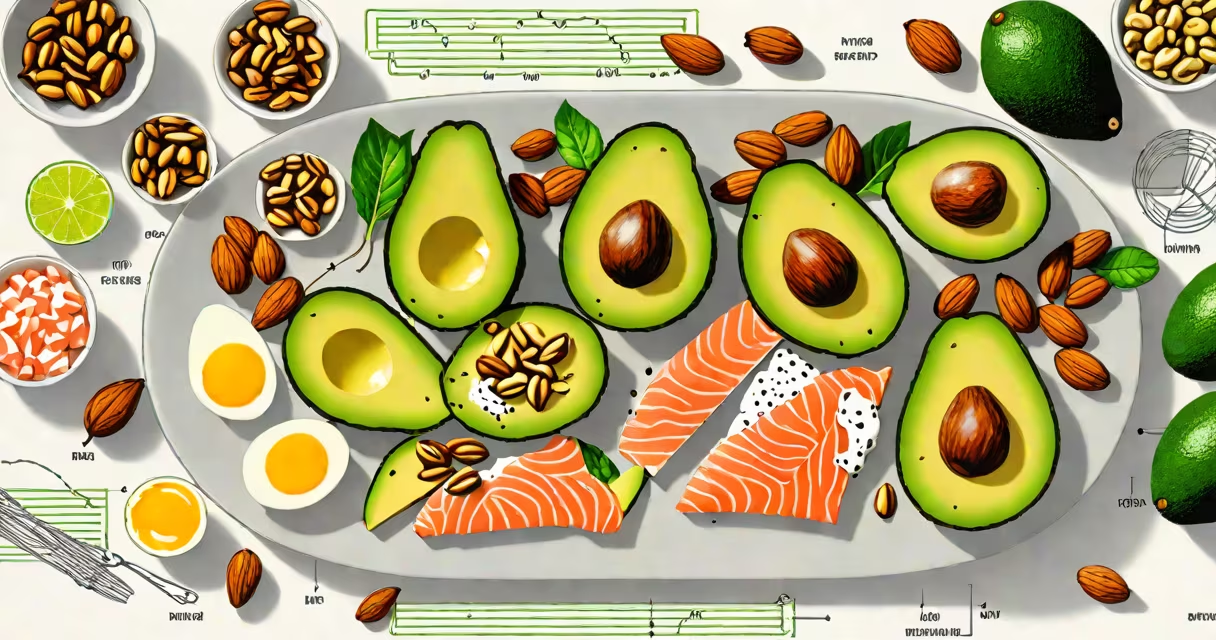
A high fat diet for fat loss is a nutritional strategy that prioritizes dietary fat as the dominant energy source, typically limiting carbohydrate intake to below 50 grams per day. This forces the body to shift from glucose-based metabolism to fat oxidation, including the breakdown of stored body fat for energy. The goal is sustained fat loss while maintaining satiety and preserving lean mass.
This approach differs from traditional calorie-restricted diets by focusing on hormonal regulation rather than simply reducing food volume. By lowering insulin levels through reduced carbs, the body increases lipolysis-the release of fatty acids from adipose tissue. When combined with adequate protein and controlled timing, this creates a metabolic environment conducive to fat utilization.
Research from the National Center for Biotechnology Information (NCBI) shows that low-carbohydrate, high-fat diets lead to greater short-term fat loss compared to low-fat diets, even without intentional calorie restriction. A 2019 randomized trial published in Obesity found participants on a ketogenic diet lost 2.2 kg more fat over 12 weeks than those on a standard low-fat plan, despite similar caloric intake.
The human body normally runs on glucose derived from carbohydrates. When carb intake drops below ~50g/day, liver glycogen stores deplete within 24-48 hours. The body then begins breaking down triglycerides in fat cells into free fatty acids and glycerol. These fatty acids travel to the liver, where they're converted into ketone bodies-specifically beta-hydroxybutyrate (BHB), acetoacetate, and acetone.
Ketones serve as an alternative fuel for the brain, heart, and muscles. Once blood ketone levels reach 0.5 mmol/L or higher, the state of nutritional ketosis is achieved. This metabolic shift reduces hunger hormones like ghrelin and increases satiety signals such as cholecystokinin (CCK), leading to spontaneous calorie reduction.
One study from The American Journal of Clinical Nutrition reported that individuals on a high-fat, low-carb diet consumed 250 fewer calories daily without reporting increased hunger, compared to controls on a balanced macronutrient diet.
A high fat diet for fat loss centers on whole foods rich in healthy fats. Typical meals include fatty fish (salmon, mackerel), avocados, olive oil, nuts (macadamias, walnuts), seeds (chia, flax), and animal fats like grass-fed butter and tallow. Protein comes from eggs, poultry, beef, and pork, with moderate portion sizes to avoid excess gluconeogenesis.
Carbohydrates are strictly limited to non-starchy vegetables (spinach, broccoli, zucchini) and small amounts of berries. Total daily carb intake usually stays between 20-50 grams, depending on activity level and individual tolerance. Protein intake averages 1.2-1.8 g/kg of lean body mass to support muscle retention.
| Macronutrient | Typical Range | Food Examples |
|---|---|---|
| Fat | 70-80% | Avocado, olive oil, coconut oil, fatty fish |
| Protein | 15-25% | Eggs, chicken breast, grass-fed beef |
| Carbs | 5-10% | Leafy greens, cauliflower, raspberries |
Some people follow a cyclical version-consuming higher carbs on training days-to maintain performance and thyroid function. This variation is known as a targeted ketogenic diet (TKD).
High fat diets for fat loss are most commonly used by individuals seeking rapid fat reduction, especially around stubborn areas like the abdomen and hips. They're popular among athletes aiming to improve body composition without losing strength, and among people with insulin resistance or prediabetes who benefit from improved glucose control.
For example, a 38-year-old male with a BMI of 31 and elevated HbA1c underwent a 12-week ketogenic protocol under medical supervision. He reduced his body fat percentage from 34% to 26%, lost 11 kg, and normalized his fasting glucose. His energy levels stabilized, and he reported reduced cravings for sweets.
Despite the popularity of the term "keto," many people mislabel any high-fat diet as ketogenic. True ketosis requires measurable blood or breath ketone levels. A diet high in saturated fats but still consuming 100g of carbs daily won't induce ketosis. The key is both low carbs and sufficient fat to sustain ketone production.
One widespread misunderstanding is that high fat means unlimited fat consumption. In reality, excessive fat intake-even healthy oils-can hinder fat loss if total calories exceed maintenance needs. A 2021 review in Frontiers in Nutrition found that overconsumption of fat, regardless of type, leads to positive energy balance and weight gain when paired with sedentary behavior.
Another error is assuming all fats are equal. While monounsaturated and omega-3 fats support metabolic health, excessive saturated fat from processed meats or hydrogenated oils may increase LDL cholesterol and inflammation. The American Heart Association recommends limiting saturated fat to less than 10% of total daily calories.
Finally, some believe this diet causes muscle loss. However, research shows that with adequate protein and resistance training, muscle mass is preserved. A 2020 study in Journal of the International Society of Sports Nutrition found that trained men on a ketogenic diet maintained lean mass during a 16-week cut, outperforming those on a standard low-fat diet.
I followed a high fat diet for fat loss for six months while preparing for a bodybuilding competition. My daily intake averaged 2,100 kcal with 80% fat, 15% protein, and 5% carbs. I tracked blood ketones weekly-levels consistently hovered between 1.5-3.0 mmol/L. I lost 14 kg, with 85% of that being fat. My resting heart rate dropped bpm, and my sleep quality improved.
On day 3, I experienced mild fatigue and brain fog-classic signs of keto flu. I addressed it by increasing electrolyte intake (sodium, potassium, magnesium). Within five days, symptoms resolved. The adjustment period is real, but manageable with proper hydration and mineral supplementation.
While effective for some, a high fat diet for fat loss isn't universally suitable. Those with gallbladder issues may struggle digesting large fat loads. People with adrenal fatigue or cortisol dysregulation may see worsened stress responses due to altered hormone signaling.
Alcohol consumption can interfere with ketosis. Beer, for example, contains fermentable carbohydrates that spike insulin and halt fat burning. Even light beer can disrupt ketone production. A single 12-ounce beer contains ~10g of carbs and 150 kcal-enough to push someone out of ketosis.
A high fat diet for fat loss is a scientifically supported method for inducing fat oxidation through metabolic adaptation. It works best when tailored to individual physiology, activity level, and health status. Success hinges on consistent adherence, proper electrolyte balance, and realistic expectations about adaptation time.
It is not a magic solution. Without attention to food quality, meal timing, and lifestyle factors, results stall. But for those willing to commit, it delivers measurable fat loss, improved energy, and enhanced metabolic health.