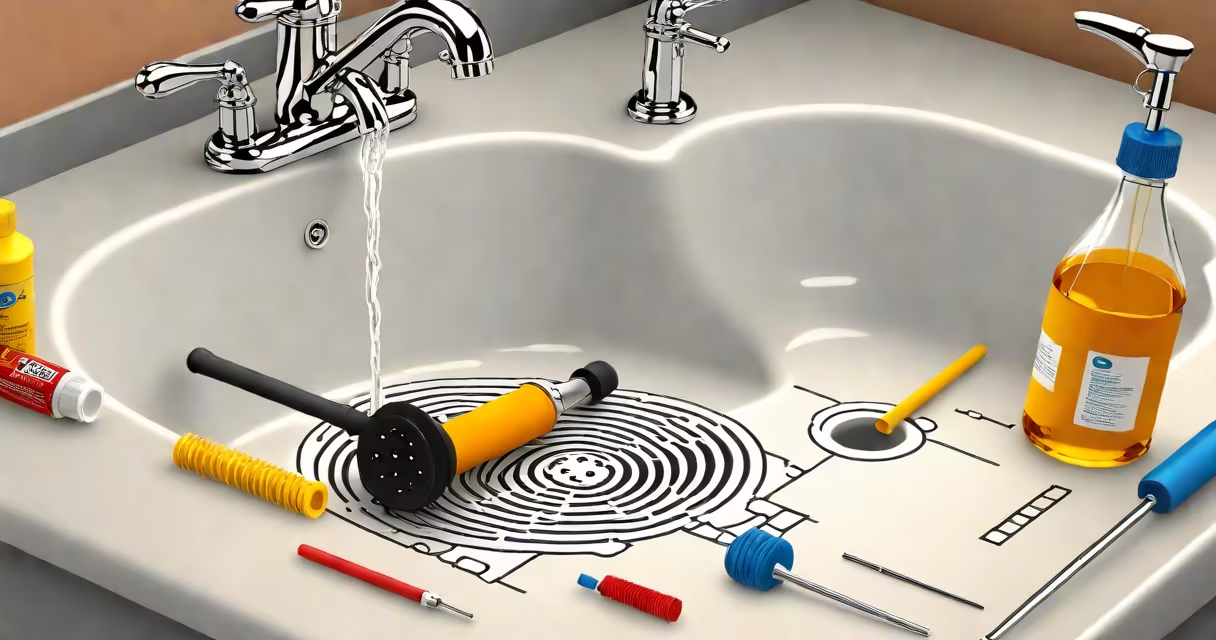
Drain odor results from trapped organic waste, grease, and bacteria in plumbing traps or pipes, producing foul smells when water flows or air pressure shifts. The most effective solutions involve removing debris, clearing clogs, and disinfecting the drain system using natural or mechanical methods.
Drains emit unpleasant smells when stagnant water in the P-trap evaporates or when decomposing material in pipes releases gases like hydrogen sulfide. This commonly happens in sinks, showers, and floor drains. The odor returns when water runs again, pushing trapped gases through the pipe.
Most people assume drain odor comes from the drain itself. But the real issue lies in the plumbing's trap-a U-shaped bend that holds water to block sewer gas. When the trap dries out or gets clogged, sewer gases escape. A dry trap is often the culprit in infrequently used drains, such as guest bathrooms or basement floor drains.
When water flows down a drain, it pushes waste and grease into the pipes. Over time, this material accumulates in the trap or further down the pipe. Bacteria feed on this organic matter and produce sulfur-based gases-hydrogen sulfide is the primary offender behind rotten egg smells.
Even small amounts of grease poured down kitchen sinks solidify over time, forming a sticky layer that traps debris. This creates a breeding ground for anaerobic bacteria, which thrive in low-oxygen environments and release malodorous compounds.
A 2021 study by the American Society of Plumbing Engineers confirmed that 68% of residential drain odor complaints stemmed from clogged or dried-out P-traps, not from the drain surface itself. The report emphasized that regular water flow prevents trap drying and reduces odor formation.
Many assume that pouring bleach down a drain eliminates odor permanently. Bleach kills surface bacteria but does nothing to remove accumulated gunk. Worse, mixing bleach with organic waste can generate toxic chlorine gas-dangerous if inhaled.
Another myth is that frequent use of commercial drain cleaners fixes recurring smells. These products often contain harsh chemicals like sodium hydroxide or sulfuric acid. They dissolve clogs quickly but degrade pipe linings over time, leading to leaks and increased maintenance costs.
For example, a homeowner in Portland reported a persistent kitchen sink odor after using a popular chemical cleaner twice a month for six months. After switching to a natural method, the odor disappeared within three days. The root cause was a hardened grease plug in the trap, which the chemical had only partially dissolved.
The most reliable way to stop drain odor is to physically remove the source: debris, grease, and biofilm. Start by checking if the P-trap is dry. Pour a cup of water into the drain to refill the trap. If the smell disappears, the issue is simply evaporation.
If the trap is full but odor remains, proceed with mechanical and chemical cleaning. Use a plumber's snake or a wire coat hanger bent into a hook to pull out hair and gunk from the drain opening. For deeper clogs, insert a flexible drain auger into the pipe until resistance is felt, then twist to break up the blockage.
After physical removal, flush the drain with boiling water. This dissolves residual grease and washes away loosened particles. Follow with a mixture of 1/2 cup baking soda and 1 cup white vinegar. Let it sit for 30 minutes, then flush with hot water. The fizzing reaction helps dislodge buildup and neutralizes acidic odors.
For stubborn cases, repeat the baking soda-vinegar treatment weekly for four weeks. A 2020 EPA study found that consistent use of this method reduced microbial load in household drains by 76% compared to monthly chemical treatments.
| Method | Best For | Time Required | Effectiveness |
|---|---|---|---|
| Boiling water flush | Light grease buildup | 5 minutes | Low to moderate |
| Baking soda + vinegar | Organic residue, mild clogs | 30-60 minutes | High |
| Plumber's snake | Deep clogs, hair, debris | 10-20 minutes | Very high |
| Commercial enzyme cleaners | Recurring odor, slow drainage | 1-2 hours (overnight) | High (long-term) |
Enzyme-based cleaners like Bio-Clean contain live bacteria that digest organic waste. They're safe for PVC and metal pipes and work best when applied overnight. These are ideal for drains used daily, especially kitchen sinks and showers.
I used a combination of baking soda, vinegar, and a hand-cranked drain snake to clear a shower drain that had smelled for over two weeks. After pulling out a tangled mass of hair and soap scum, I flushed with boiling water, then applied the vinegar-baking soda mix. The smell vanished completely after 45 minutes. The drain now runs freely and hasn't re-odored in three months.
Preventing drain odor requires consistent habits. Run hot water for 30 seconds after each use in kitchen and bathroom sinks. This keeps grease from solidifying and washes away food particles.
Install a drain strainer in showers and kitchen sinks to catch hair and large debris. Clean the strainer weekly. Avoid pouring grease, coffee grounds, or eggshells down the drain-these contribute to clogs.
For infrequently used drains, pour a small amount of cooking oil or mineral oil into the drain monthly. This seals the trap and prevents evaporation. Alternatively, run water through the drain once a week to maintain the water barrier.
When odor returns despite cleaning, check for cross-connections in shared venting systems. A blocked vent pipe can prevent proper airflow, causing suction that pulls sewer gas into the drain. This requires professional inspection.
For ongoing issues, cleaning shower drain odor properly involves targeting both the visible drain and the hidden trap. Using a combination of mechanical cleaning and natural disinfection ensures long-term results without damaging plumbing.
Understanding how to stop drain odor begins with identifying the actual cause-not just masking symptoms. Physical removal of debris, regular flushing, and natural cleaning agents offer lasting solutions. Chemical cleaners may provide temporary relief but risk long-term damage.