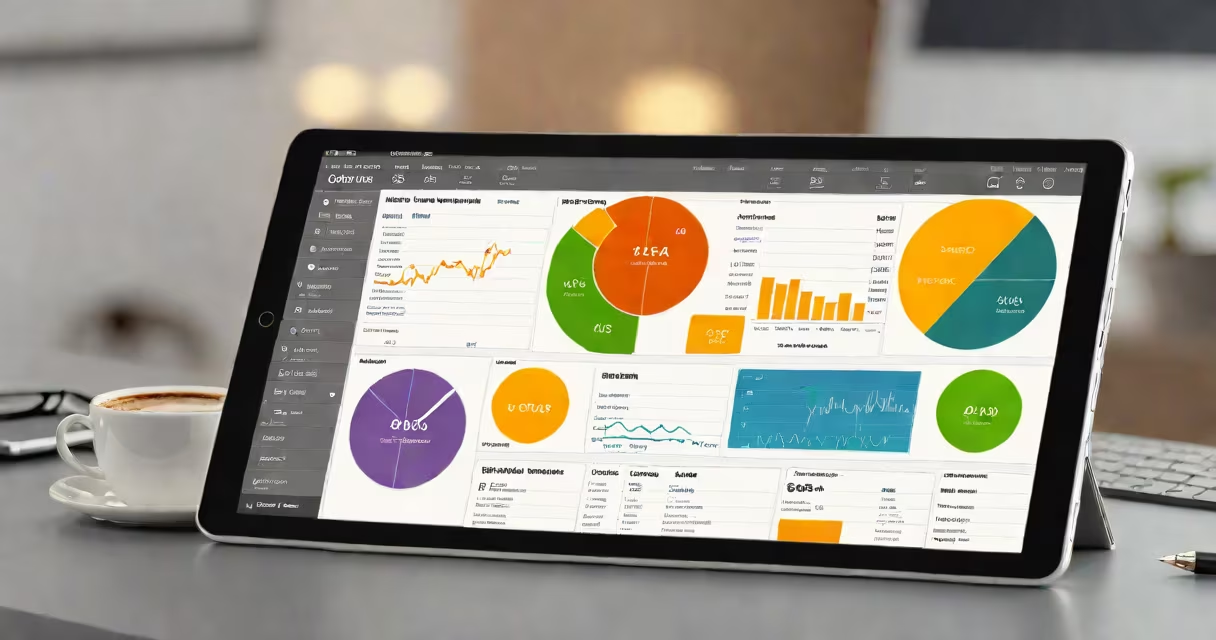
A human resource management system (HRMS) is a centralized software platform that automates core HR functions such as payroll processing, benefits administration, time and attendance tracking, performance evaluations, and employee recordkeeping. It replaces manual spreadsheets and paper files with secure, real-time data access across departments and locations.
HRMS platforms operate on cloud-based servers or on-premise infrastructure, depending on organizational needs. They integrate with other business systems like accounting software, time clocks, and applicant tracking tools. For example, when an employee submits a leave request through the HRMS portal, the system automatically updates their time-off balance, notifies their manager, and syncs with payroll to adjust paychecks accordingly.
These systems support compliance with labor laws such as the Fair Labor Standards Act (FLSA) and the Family and Medical Leave Act (FMLA). The U.S. Department of Labor notes that automated systems reduce errors in overtime calculations by up to 75%, minimizing legal risk. A 2022 SHRM report found that organizations using integrated HRMS experienced a 40% faster onboarding process compared to those relying on manual workflows.
An HRMS processes data through four core components: data input, workflow automation, reporting, and security protocols. Employees enter personal details during onboarding via a web form or mobile app. The system validates entries against predefined rules-such as checking that Social Security numbers follow the correct format-and stores them in a structured database.
When a manager approves a promotion, the HRMS triggers a series of actions: updating job titles and compensation levels in the employee profile, generating new access permissions for internal systems, and scheduling a performance review six months later. These workflows are customizable-managers can set conditions like "approve if department head and budget allows" using drag-and-drop logic builders.
Reports are generated on demand or scheduled daily. For instance, a weekly report might show turnover rates by team, highlighting departments with higher-than-average attrition. This enables proactive retention planning. All data is encrypted both in transit and at rest, meeting standards like SOC 2 Type II and ISO 27001.
HRMS solutions vary by scale and functionality. Small businesses often use entry-level platforms with basic features, while large enterprises deploy enterprise-grade systems with advanced analytics and AI-driven insights.
| Type | Best For | Key Features | Example Use Case |
|---|---|---|---|
| Basic HRIS | Small teams (<50 employees) | Employee profiles, time tracking, leave requests | Local coffee shop managing 12 part-time staff schedules |
| Mid-tier HRMS | Growing companies (50-500 employees) | Payroll integration, performance reviews, compliance alerts | Marketing agency tracking project-based bonuses and vacation usage |
| Enterprise HRMS | Global corporations (>1,000 employees) | Multi-country payroll, succession planning, predictive analytics | Pharmaceutical company managing 15,000 employees across 12 countries |
Many systems now include AI modules that flag potential issues. For example, if an employee's performance rating drops below threshold for three consecutive quarters, the system sends a notification to HR suggesting a development plan. This feature is common in platforms like Workday and SAP SuccessFactors.
HRMS is not synonymous with payroll software. While payroll is a component, an HRMS handles broader responsibilities including talent development, diversity metrics, and employee engagement surveys. A 2021 Gartner survey revealed that 68% of HR leaders incorrectly assumed that payroll-only tools could manage full lifecycle employee data.
Another misunderstanding is that HRMS eliminates the need for HR professionals. On the contrary, these systems free HR staff from repetitive tasks so they can focus on strategic initiatives. During my time supporting a nonprofit's transition to BambooHR, we reduced monthly payroll processing time from 14 hours to under 2 hours-a shift that allowed our team to redesign career progression paths for 80% of staff.
Some assume HRMS requires extensive IT involvement. Modern SaaS-based HRMS platforms require minimal setup. Most vendors offer guided onboarding, pre-built templates, and customer success managers. Implementation typically takes 4-8 weeks, not months.
In 2023, a regional retail chain with 32 stores adopted an HRMS to standardize scheduling and reduce scheduling conflicts. Prior to implementation, managers manually created weekly shifts using Excel sheets, leading to double-booking and missed coverage during peak seasons.
The chosen system, ADP Workforce Now, allowed store managers to input staffing needs based on historical sales data. The system then auto-generated optimal shift patterns, considering employee availability, skill level, and state-specific labor laws. After six months, the chain reported a 30% reduction in scheduling-related complaints and a 22% increase in employee satisfaction scores.
The HRMS flagged inconsistencies in overtime reporting. Before, 15% of hourly workers exceeded 40-hour thresholds without approval. After rollout, that number dropped to 4%. The system enforced policy rules automatically, reducing compliance violations and associated fines.
For organizations seeking deeper expertise in workforce strategy, pursuing a graduate degree in human resource management can provide frameworks for aligning HRMS data with long-term business goals.
When evaluating systems, compare audit trails and data export capabilities. Some platforms, like Oracle HCM Cloud, offer detailed logs of who accessed or edited an employee file and when. This transparency supports internal audits and regulatory compliance. Auditing management systems, such as those used in finance, share similar requirements for traceability and version control.
Human resource management system is not a single tool-it's a category of software designed to centralize and automate people operations. Its effectiveness depends on accurate data entry, clear policies, and ongoing training. Organizations that treat HRMS as a strategic asset-not just a technical fix-achieve measurable improvements in efficiency, fairness, and retention.