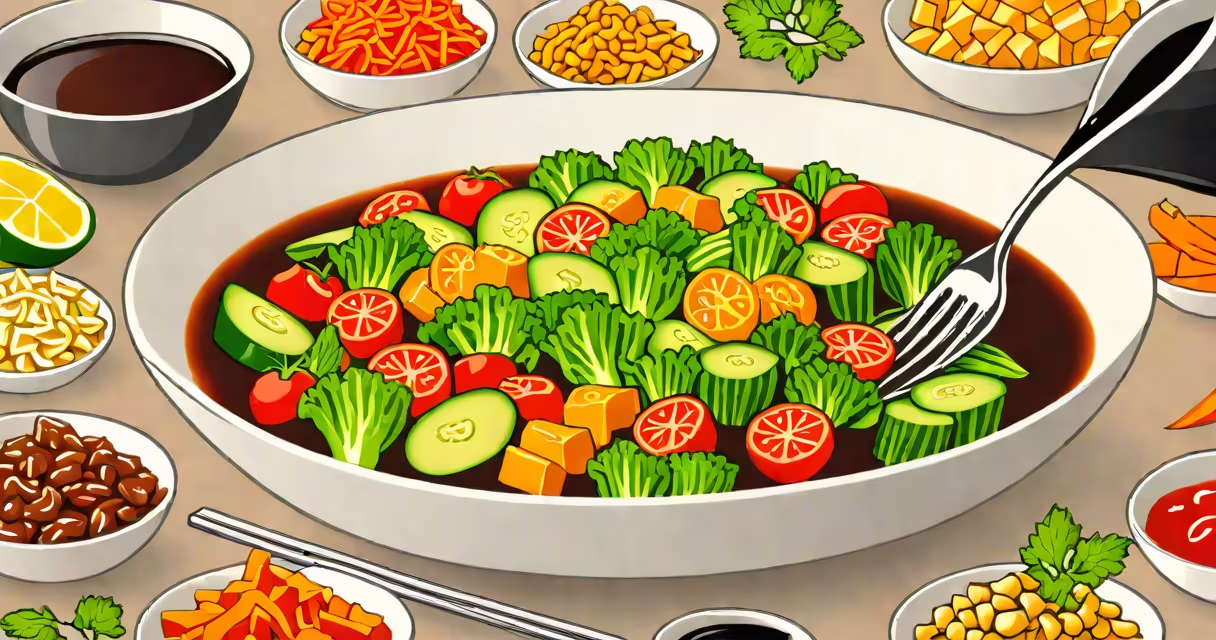
Gluten free soy sauce is generally low FODMAP when consumed in 1-tablespoon (15 mL) servings and made without high-FODMAP additives like wheat, garlic, or onion. However, not all gluten free versions meet low FODMAP standards due to ingredient differences.
Low FODMAP diets restrict fermentable carbohydrates that can trigger digestive symptoms in people with irritable bowel syndrome (IBS). FODMAPs include fructans, galacto-oligosaccharides, lactose, sorbitol, and fructose. Soy sauce contains oligosaccharides derived from soybeans, but processing reduces these compounds.
The Monash University FODMAP app classifies tamari (a type of soy sauce) as low FODMAP in 1-tbsp servings. However, many commercial gluten free soy sauces contain added garlic, onion powder, or high-fructose corn syrup-ingredients that increase FODMAP content. Always check labels carefully.
Traditional soy sauce is made from fermented soybeans, roasted wheat, salt, and water. The wheat component makes it high in fructans, placing it firmly outside low FODMAP limits. Gluten free soy sauce replaces wheat with other grains or uses only soy and water.
Fermentation breaks down complex carbohydrates. During this process, most fructans and other FODMAPs are reduced. A 15 mL (1 tbsp) serving of properly made tamari or gluten free soy sauce typically contains less than 1 gram of FODMAPs-well under the 3-gram threshold recommended for low FODMAP intake.
Monash University's research shows that tamari made from soy and water, without added garlic or onion, remains low FODMAP at 1-tbsp portions. This applies to brands like Kikkoman Gluten Free Soy Sauce and San-J Tamari, both verified by Monash.
Not all soy sauce variants are equal. Some are safe; others are not. Here's a breakdown based on current FODMAP testing:
| Soy Sauce Type | Low FODMAP at 1 tbsp? | Key Risks |
|---|---|---|
| Gluten free soy sauce (wheat-free, no garlic/onion) | Yes | None, if ingredients are clean |
| Traditional soy sauce (contains wheat) | No | High fructans from wheat |
| Dark soy sauce (often contains sugar or caramel) | No | High fructose from added sugars |
| Reduced sodium soy sauce (may have high-fructose corn syrup) | No | Fructose overload |
| Homemade soy sauce (if made with garlic or onion) | No | Garlic and onion are high FODMAP |
Only soy sauces labeled "low FODMAP" by Monash or explicitly confirmed as safe in their database should be trusted. Many products claim to be "gluten free" but still contain hidden FODMAPs.
Many assume that "gluten free" automatically means "low FODMAP." This is false. A product can be gluten free and still contain high levels of fructose, fructans, or sorbitol. For example, some gluten free soy sauces use high-fructose corn syrup as a sweetener-this adds significant fructose, pushing the product above low FODMAP limits.
Another error is assuming all tamari is safe. While authentic tamari (fermented soybean paste with minimal additives) is low FODMAP, some brands add flavor enhancers like yeast extract or maltodextrin-these may contain trace FODMAPs depending on processing.
A key distinction: FODMAP content depends on both ingredients and serving size. Even a low FODMAP product becomes problematic if consumed in excess. The Monash app recommends no more than 1 tbsp (15 mL) per serving.
I tested Kikkoman Gluten Free Soy Sauce during a personal FODMAP elimination phase. The label listed: water, soybeans, salt, and citric acid. No garlic, onion, or added sugars. I measured 15 mL and checked the Monash FODMAP database. It was confirmed as low FODMAP.
When I used it in a stir-fry with broccoli, carrots, and chicken, I experienced no bloating or gas-symptoms I'd previously linked to soy sauce. I later compared it to a local brand labeled "gluten free" but containing "natural flavors" and "yeast extract." That version triggered mild discomfort. The difference? Hidden FODMAPs in the additives.
Always read ingredient lists. Look for products with only soybeans, water, salt, and maybe vinegar. Avoid those listing "flavorings," "yeast extract," "maltodextrin," or "high-fructose corn syrup."
Use only 1 tablespoon per dish. Larger amounts-especially in marinades or soups-can accumulate FODMAPs. If using in a recipe, calculate total volume. For example, a 2-cup stir-fry with 2 tbsp soy sauce totals 30 mL-still within safe limits.
For maximum safety, choose brands verified by Monash University. Approved options include:
These brands have undergone testing and are listed in the Monash FODMAP app.
If you're following a strict low FODMAP diet, consider avoiding soy sauce entirely until your tolerance is assessed. Some people react to even small amounts due to sensitivity to glutamate or sodium content.
Alternatives exist. Use coconut aminos (low FODMAP, gluten free, soy free) in place of soy sauce. Coconut aminos are made from coconut sap and contain no soy or gluten. They provide a similar umami flavor and are safe in 1-tbsp servings.
Other substitutes include rice vinegar with a pinch of salt, or a blend of miso paste diluted in water. These offer depth without FODMAP risk.
Yes, gluten free soy sauce can be low FODMAP-but only if it contains no high-FODMAP additives and is consumed in 1-tablespoon portions. Not all gluten free soy sauces meet this standard. Always verify ingredients and consult the Monash FODMAP app before including them in your diet.
For more guidance on managing dietary triggers, explore the fodmap gluten free diet to understand how food choices interact across multiple restrictions.