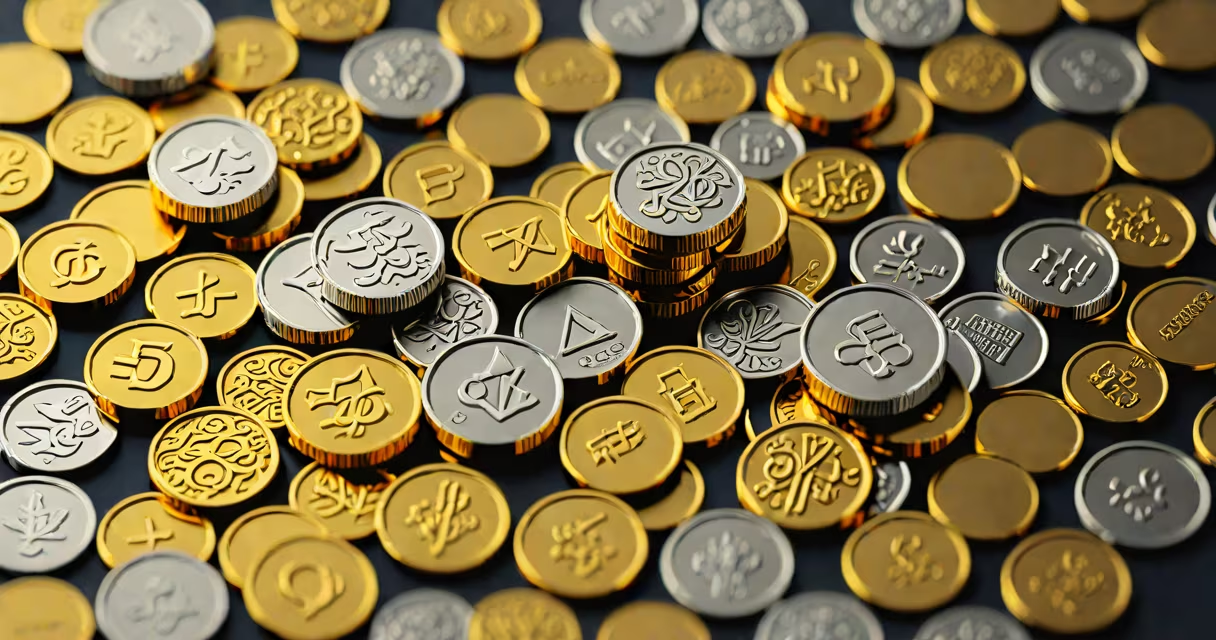
Silver and gold are tangible assets with centuries of use as money and stores of value. They tend to hold or increase in worth during inflation, currency devaluation, and market turmoil. Historically, both metals have outperformed fiat currencies over decades.
Gold and silver are physical commodities traded globally through bullion bars, coins, and exchange-traded funds (ETFs). Their prices are set by supply, demand, and investor sentiment. Unlike stocks or bonds, they don't pay dividends or interest, but their value stems from scarcity and cultural acceptance as wealth.
Gold's price averaged $1,600 per ounce, according to the World Gold Council. Silver reached $25 per ounce in 2020, nearly double its 2015 average. These movements reflect global demand shifts, especially from central banks and industrial users.
Investors buy silver and gold to preserve capital during economic stress. When inflation rises, paper money loses purchasing power. Gold and silver often rise in value to offset that loss. For example, during the 2008 financial crisis, gold gained 25% while the S&P 500 dropped 37%. In 2022, gold rose 10% as inflation hit 9% in the U.S., even as equities declined.
Central banks are major buyers. The People's Bank of China added 115 tonnes of gold in 2022, the largest annual purchase since 1971. The International Monetary Fund reported that central banks bought 1,136 tonnes of gold between 2010 and 2023, signaling confidence in metals as reserves.
Industrial demand affects silver more than gold. Silver is used in solar panels, electronics, and medical devices. About 50% of silver demand comes from industry, per the Silver Institute. This dual role-industrial and monetary-makes silver more volatile than gold, which is primarily seen as a store of value.
Investors choose among several forms based on liquidity, storage needs, and risk tolerance.
| Type | Pros | Cons | Best For |
|---|---|---|---|
| Bullion Bars | Low premium over spot price; high purity (99.95%) | Hard to sell small amounts; requires secure storage | Long-term holders; large investors |
| Coins (e.g., American Eagle, Krugerrand) | Recognizable; easy to trade; collectible value | Higher premiums; subject to numismatic pricing | Beginners; those seeking portability |
| ETFs (e.g., GLD, SLV) | Trade like stocks; no storage concerns | No physical ownership; management fees | Active traders; portfolio diversifiers |
| Physical Jewelry | Wearable; culturally valuable | High markup; difficult to resell at cost | Personal use; cultural gifts |
ETFs offer exposure without handling metal. GLD, the largest gold ETF, holds over 1,000 tons of physical gold and trades on the NYSE. Its net asset value tracks spot gold closely. However, ETFs don't provide direct ownership-holders own shares, not metal.
Portfolio allocation varies. A 2023 survey by the World Gold Council found that 15% of global investors held gold as part of their core strategy. Among high-net-worth individuals, that figure rose to 34%. Silver was less common, used mainly by those seeking use via industrial demand.
During periods of geopolitical tension, gold prices spike. In March 2022, after Russia invaded Ukraine, gold rose 12% in three weeks. Silver jumped 18%, driven by both safe-haven flows and industrial demand rebounding from pandemic disruptions.
A key distinction: gold is more stable and widely accepted as a reserve asset. Silver has higher volatility due to smaller market size and greater industrial use. In 2020, silver dropped 30% in one month during lockdowns, while gold fell only 10%. That makes silver better suited for tactical bets, not steady preservation.
Many assume silver and gold are "safe" because they've held value over time. But they don't generate income. Unlike dividend-paying stocks or interest-bearing bonds, they earn nothing unless sold at a profit. Over short periods, they can lose value., gold lost 30% of its value in nominal terms.
Another myth: "gold always goes up." It doesn't. Between 1980 and 2000, gold averaged $350 per ounce, below its 1980 peak of $850. It took 20 years for gold to regain that level. Investors who bought at the peak faced losses for over a decade.
Also, not all gold is equal. Some coins carry collector premiums far above spot value. A 1914 Canadian gold coin may sell for $10,000, but its metal value is under $1,000. Buying for speculative gain rather than intrinsic worth increases risk.
I once bought a 1-ounce American Eagle gold coin in 2017 for $1,350. By 2023, it was worth $2,050, a 52% return. But I didn't sell-kept it in a home safe. The real benefit wasn't profit, but peace of mind during market swings. Physical ownership offers psychological comfort no ETF can match.
Silver and gold are not guaranteed winners. They perform best as part of a diversified portfolio, not as standalone bets. Historically, they've protected against inflation and currency collapse. But they require patience-returns come over years, not months.
For long-term stability, gold is the stronger choice. For growth potential tied to industrial cycles, silver offers upside. Both are tools, not magic solutions. If you're considering them, start small. Allocate 5-10% of your portfolio, and avoid emotional decisions during downturns.
Understanding is silver and gold a good investment means accepting that they're not income generators. They're insurance policies against systemic risk. If you're building wealth over decades, silver and gold can be effective components. But they're not a substitute for research, discipline, and clear goals.