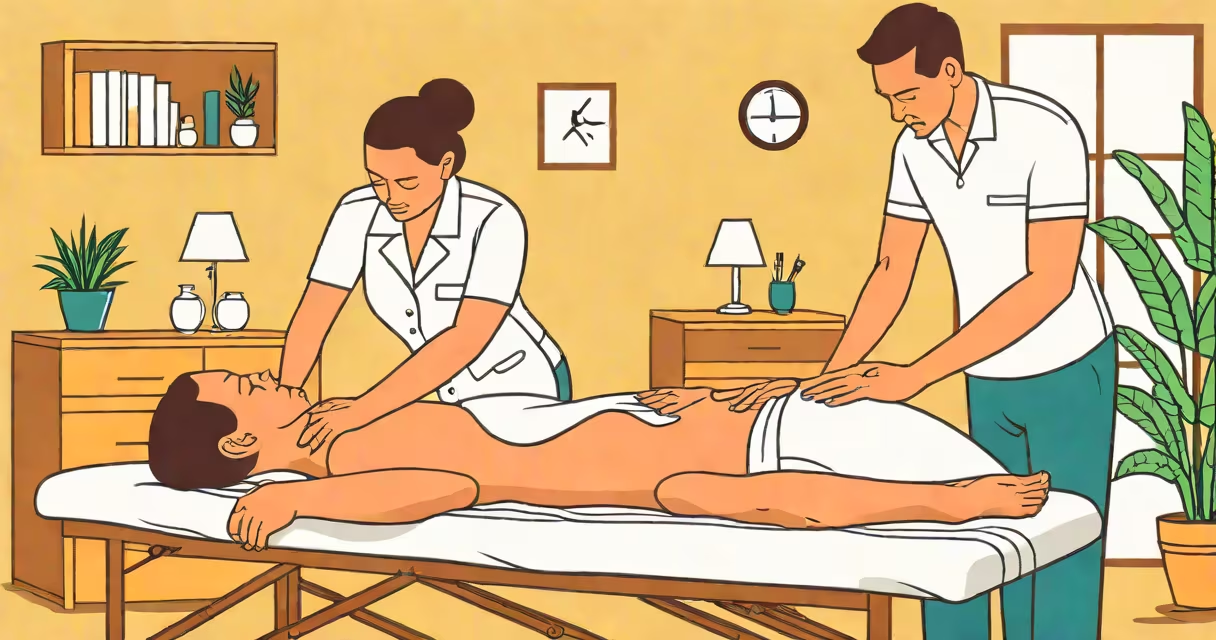
A massage therapist meaning refers to a trained professional who uses manual techniques to manipulate soft tissues-muscles, tendons, ligaments, and connective tissue-to reduce pain, improve mobility, and promote relaxation. These practitioners work in clinics, spas, wellness centers, and private practices, often under state licensure requirements.
Massage therapists apply targeted pressure, kneading, stretching, and rhythmic movements to specific areas of the body. Their interventions aim to ease chronic pain, speed recovery from injuries, reduce stress-related symptoms, and improve physical function. The core purpose is not just comfort-it's therapeutic intervention grounded in anatomy and physiology.
According to the American Massage Therapy Association (AMTA), over 10 million Americans receive massage therapy annually. Most states require certification through the National Board of Certification in Massage Therapy (NBCMT), which tests knowledge in anatomy, physiology, pathology, ethics, and hands-on technique. Without this credential, practice is illegal in most U.S. jurisdictions.
When a licensed massage therapist applies pressure, they stimulate mechanoreceptors in the skin and deeper tissues. This signals the nervous system to release endorphins-natural pain relievers-and reduce cortisol, the stress hormone. Blood flow increases locally, delivering oxygen and nutrients while removing metabolic waste like lactic acid.
For example, a client with lower back pain due to prolonged sitting may experience reduced muscle tightness after a 60-minute deep tissue session. The therapist identifies hypertonic muscles (over-tightened), applies sustained pressure, and uses cross-fiber friction to break up scar tissue. Over time, this improves range of motion and reduces inflammation.
Research published in the Journal of Clinical Psychology found that participants receiving regular massage therapy reported 30% less perceived stress and 25% greater sleep quality compared to control groups. These outcomes stem from autonomic nervous system modulation-not just psychological relief.
Not all massage is the same. Different modalities serve distinct purposes based on client goals and physical conditions.
| Type | Focus | Best For | Duration |
|---|---|---|---|
| Swedish | Long, gliding strokes; light to moderate pressure | Relaxation, mild tension relief, improved circulation | 60-90 minutes |
| Deep Tissue | Slow, firm pressure targeting deeper muscle layers | Chronic pain, muscle knots, post-injury recovery | 75-90 minutes |
| Myofascial Release | Slow, sustained pressure on fascia (connective tissue) | Pain from restricted movement, repetitive strain | 60-75 minutes |
| Trigger Point Therapy | Focused pressure on hyperirritable spots in muscles | Referred pain patterns, localized tenderness | 30-60 minutes |
Each modality requires different skill sets. A therapist specializing in myofascial release must understand fascial planes and their role in movement dysfunction. Deep tissue work demands precise control to avoid nerve compression or bruising.
I once observed a therapist treat a runner with IT band syndrome using a combination of cross-friction massage and active release techniques. After four sessions, the client regained full stride without limping-a result tied not to luck, but to consistent application of biomechanical principles.
Many people confuse massage therapy with general relaxation or spa services. But a licensed massage therapist is not a "wellness entertainer." They are healthcare providers trained to recognize red flags such as swelling, numbness, or sudden weakness-signs that may indicate underlying medical issues requiring referral.
One common error is assuming all massage is safe for everyone. For instance, deep tissue massage can worsen symptoms in someone with osteoporosis or recent fractures. A qualified practitioner always conducts a health history intake and avoids contraindicated techniques.
Another misunderstanding: massage therapy is not a substitute for medical treatment. According to the Mayo Clinic, massage can complement physical therapy or medication for chronic conditions like fibromyalgia-but it doesn't cure diseases like arthritis or cancer. It supports symptom management, not disease reversal.
Becoming a massage therapist requires completing a minimum of 500 hours of training at an accredited school. Programs cover human anatomy, kinesiology, pathology, ethics, business practices, and hands-on clinical experience. Students must pass the NBCMT exam to earn national certification.
State boards then issue licenses based on these credentials. Some states, like California and New York, require additional exams covering local laws and scope of practice. Practitioners must renew licenses every 1-2 years through continuing education credits.
Therapists must maintain clear boundaries. Touch is intentional, not personal. The AMTA emphasizes that ethical practice includes informed consent, documentation of sessions, and avoiding dual relationships. A therapist who shares personal details or offers unsolicited advice fails professional standards.
Consider a 42-year-old office worker with persistent neck stiffness and headaches. She reports sleeping poorly and spending 8+ hours daily at a computer. Her primary care physician recommends physical therapy but refers her to a licensed massage therapist as a complementary option.
The therapist performs a full assessment: checks posture, range of motion, and muscle tone. She notes tightness in the upper trapezius and levator scapulae. Over six weekly sessions, she combines Swedish techniques with gentle myofascial release and postural education.
After three weeks, the patient reports a 50% reduction in headache frequency. By week six, she sleeps better and uses ergonomic adjustments learned during sessions. Objective measures show improved cervical flexion and decreased trigger point sensitivity. This outcome reflects integration of manual therapy, patient education, and lifestyle modification-all within the scope of a licensed massage therapist's expertise.
Understanding the massage therapist meaning means recognizing them as skilled professionals whose work is rooted in science, ethics, and individualized care. They are not interchangeable with wellness coaches, energy workers, or unlicensed practitioners offering "healing touch" without formal training.