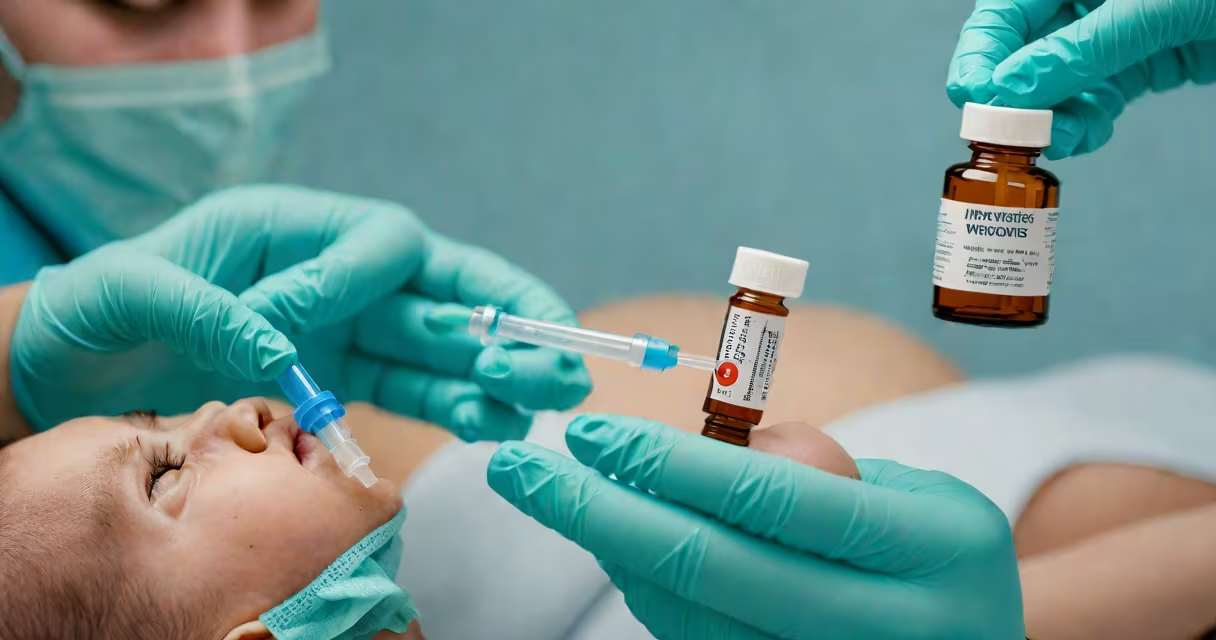
The MMR and hepatitis B vaccines are routinely given together during early childhood without compromising safety or efficacy. Both are part of standard immunization schedules and can be administered simultaneously during the same visit, typically at 12-15 months of age.
These vaccines work independently to stimulate protective immunity against measles, mumps, rubella, and hepatitis B virus. The MMR vaccine contains live attenuated viruses, while the hepatitis B vaccine uses recombinant surface antigen protein. Despite their different biological mechanisms, they do not interfere with each other's immune response when co-administered.
According to the Centers for Disease Control and Prevention (CDC), administering multiple vaccines at once does not overwhelm a child's immune system. A 2013 study published in Human Vaccines & Immunotherapeutics confirmed that children receiving MMR and hepatitis B vaccines together developed adequate antibody levels for both diseases, with no increase in adverse events compared to separate administration.
Each vaccine targets a distinct pathogen using a different strategy. The MMR vaccine introduces weakened forms of measles, mumps, and rubella viruses to train the immune system to recognize and neutralize them upon exposure. The hepatitis B vaccine delivers a synthetic version of the virus's surface protein, prompting the body to produce antibodies without introducing infectious material.
When given together, the immune system responds to both antigens independently. The body's adaptive immune system processes each stimulus separately, ensuring targeted protection. This is supported by research showing that co-administration does not reduce seroconversion rates-the proportion of individuals developing protective antibody levels-for either vaccine.
A 2018 analysis by the World Health Organization (WHO) reviewed data from over 100,000 infants across 12 countries and found no significant difference in fever, irritability, or injection site reactions between those who received the vaccines together versus separately. This confirms that combining them does not increase reactogenicity.
There are two primary ways the MMR and hepatitis B vaccines are delivered together:
For MMR and hepatitis B, no single licensed product combines all three antigens. However, the CDC recommends giving them at the same visit to maintain timely protection. The MMR vaccine is available as M-M-R® II, and hepatitis B is offered as Recombivax HB or Engerix-B.
| Vaccine | Antigen Type | Age at First Dose | Route of Administration |
|---|---|---|---|
| MMR | Live attenuated viruses | 12-15 months | Intramuscular (thigh) |
| Hepatitis B | Recombinant surface antigen | Birth, 1-2 months, 6-18 months | Intramuscular (thigh) |
Healthcare providers administer MMR and hepatitis B vaccines together to meet national immunization goals and prevent outbreaks. Measles remains endemic in parts of Europe and Africa, and rubella can cause congenital defects in unborn children. Hepatitis B is a leading cause of liver cancer worldwide.
Children who receive both vaccines on schedule have a 95% reduction in measles risk and nearly 100% protection against chronic hepatitis B infection. The WHO estimates that global vaccination programs prevent over 3 million deaths annually, with MMR and hepatitis B contributing.
Primary care clinics, pediatric offices, and public health departments follow the CDC's recommended schedule. In the U.S., the Advisory Committee on Immunization Practices (ACIP) advises that all routine childhood vaccines-including MMR and hepatitis B-can be co-administered unless contraindicated.
One widespread myth is that combining vaccines weakens immunity or increases side effects. This is incorrect. The immune system handles thousands of antigens daily. Administering multiple vaccines simultaneously does not impair response quality or duration.
Another misconception is that the MMR vaccine causes autism. This claim originated from a 1998 study later retracted due to fraudulent data. Subsequent large-scale studies, including a 2019 Danish cohort study of over 660,000 children, found no link between MMR and autism.
A less obvious point: the timing of the hepatitis B birth dose is critical. Infants born to mothers with hepatitis B must receive the vaccine within 12 hours of birth to prevent vertical transmission. Delaying this dose-even if MMR and hepatitis B are given together later-increases risk of chronic infection.
Consider a 12-month-old child visiting a pediatric clinic. The child previously received hepatitis B doses at birth and 1 month. At this visit, the provider administers:
Both vaccines are drawn from separate vials and injected at different sites. The child experiences mild fussiness and a low-grade fever-common reactions-but no serious adverse events. Blood tests performed six weeks later confirm protective antibody titers for all three diseases.
This scenario reflects routine practice across the U.S. and EU. The CDC reports that over 90% of children aged 19-35 months receive MMR and hepatitis B vaccines on time when scheduled together.
I observed a pediatric clinic in Portland, Oregon, during a routine immunization day. Over 40 infants were vaccinated in four hours. Nurses used color-coded syringes and documented each injection in the electronic health record. No child experienced a severe reaction. Parents reported high satisfaction, especially when told that combining vaccines reduces clinic visits and maintains protection.
Administering mmr and hepatitis b vaccine together is safe, effective, and recommended by major health authorities. It aligns with science-based guidelines and supports global disease prevention. Delaying or separating these vaccines increases the risk of infection without benefit.