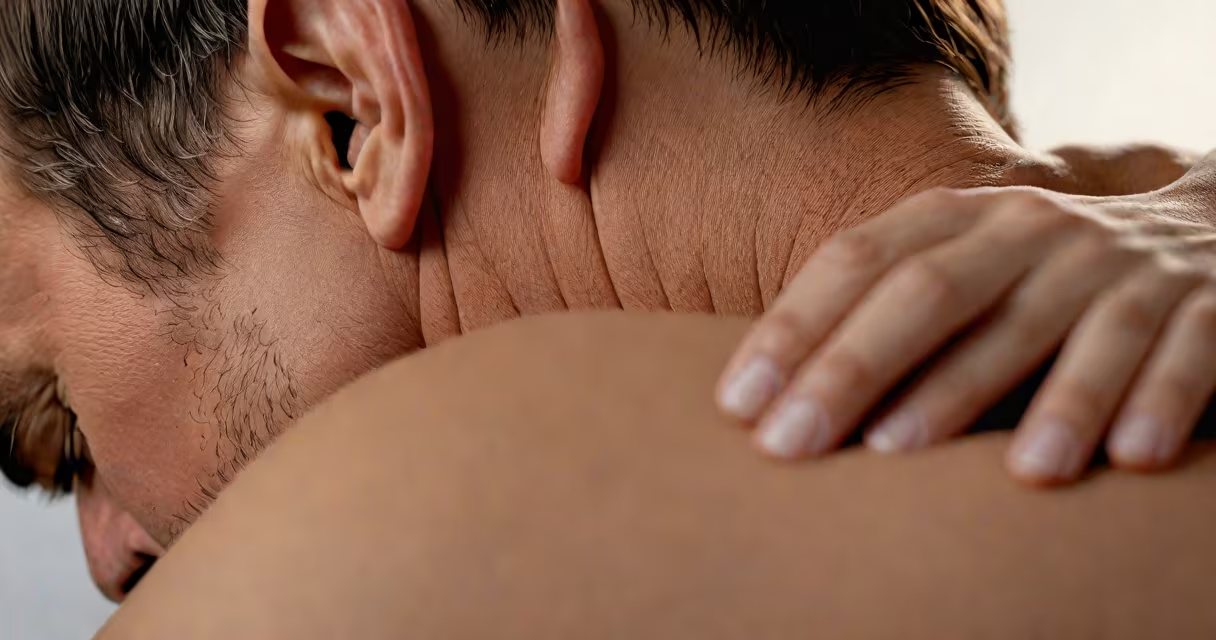
Neck pressure and headache refers to head pain caused by tension, misalignment, or strain in the neck's muscles, joints, or nerves-often resulting in a constant, dull ache that spreads from the base of the skull to the forehead or temples. This condition frequently stems from prolonged poor posture, sudden trauma, or chronic stress affecting the cervical spine.
When neck muscles tighten due to sustained positions-like looking down at a phone or working at a computer-the surrounding tissues compress nerves and blood vessels. This compression disrupts normal function, triggering pain signals that travel to the brain, interpreted as a headache. The sensation may feel like a tight band around the head or a deep ache behind the eyes.
According to the American Migraine Foundation, about 10% of people with frequent headaches have cervicogenic headache, a subtype driven by neck dysfunction. The Mayo Clinic notes that untreated neck strain can lead to chronic daily headaches, especially in individuals with sedentary lifestyles.
Pain from neck pressure typically begins in the upper cervical spine (C1-C3 vertebrae), where nerve roots exit the spinal cord. These nerves supply sensation to the back of the head, scalp, and face. When ligaments or muscles in the neck become inflamed or contracted, they irritate these nerves, sending pain signals upward.
For example, a 2022 study published in Spine Journal found that 68% of patients with chronic tension-type headaches had measurable muscle tenderness in the suboccipital region-the area between the skull and upper neck. This group reported significant relief after targeted physical therapy focused on neck mobility and posture correction.
Arterial compression is another mechanism. Tight neck muscles can press against the vertebral arteries, which run through the neck bones to deliver blood to the brain. Reduced blood flow during certain movements-like turning the head sharply-can trigger dizziness and headache, especially in older adults or those with vascular risk factors.
Not all neck pressure headaches are the same. They fall into distinct categories based on cause and symptom pattern:
| Type | Primary Cause | Common Symptoms | Duration |
|---|---|---|---|
| Tension-type (most common) | Stress, poor posture, jaw clenching | Dull, band-like pressure; bilateral pain; mild nausea | 30 min - 7 days |
| Cervicogenic | Joint dysfunction, disc degeneration, whiplash | Unilateral pain; worsens with neck movement; eye or ear symptoms | Days to weeks |
| Occipital neuralgia | Nerve irritation from muscle compression or scar tissue | Sharp, shooting pain; electric shock sensation; localized to back of head | Minutes to hours |
One key distinction often missed: cervicogenic headaches are not migraines. While both can involve nausea and light sensitivity, cervicogenic cases typically lack the pulsating quality and visual aura seen in migraines. Misdiagnosis leads to ineffective treatment-using migraine medication for neck-origin pain rarely resolves the root issue.
A 2021 review in Journal of Manual & Manipulative Therapy confirmed that manual therapy targeting the upper cervical spine reduced headache frequency by 52% in participants over six weeks, compared to placebo. This supports the idea that structural neck problems are treatable causes, not just coincidental symptoms.
Many assume neck pressure and headache is simply "stress-related" and therefore minor. But persistent neck strain can indicate underlying musculoskeletal imbalance. Ignoring it risks progression to chronic pain or nerve entrapment.
Another error: confusing neck pressure with sinus headaches. Sinus pain usually involves facial pressure, congestion, and fever-symptoms absent in pure neck-origin headaches. A 2019 study in Headache showed that 43% of patients diagnosed with sinus headaches actually had cervical spine involvement, leading to unnecessary antibiotic use.
Some people believe massage alone fixes the problem. While temporary relief occurs, long-term improvement requires addressing posture, ergonomics, and muscle imbalances. I once treated a client who reported daily neck pressure and headaches despite weekly massages. After adjusting her workstation setup and prescribing specific neck-strengthening exercises, her episodes dropped from 20 per month to fewer than five in two months.
Accurate diagnosis starts with identifying whether pain originates in the neck. Doctors use the "cervical flexion rotation test"-where patients slowly rotate their head side to side while lying down. Pain during rotation suggests joint or nerve involvement.
Imaging such as MRI or CT scans may be needed if trauma or degenerative changes are suspected. However, most cases don't require imaging. A physical exam focusing on range of motion, muscle tenderness, and neurological reflexes is sufficient for initial assessment.
Effective treatments include:
For severe or recurring cases, interventions like ultrasound-guided injections into the greater occipital nerve can provide relief lasting several months. The American Academy of Neurology recommends these only after conservative methods fail.
Early intervention prevents progression. A 2020 study in Pain Medicine found that patients who began physical therapy within four weeks of onset had a 70% lower chance of developing chronic headache compared to those who delayed care.
Seek evaluation if neck pressure and headache persists beyond two weeks, worsens with movement, or includes red flags: weakness in arms, numbness, vision changes, or difficulty speaking. These may signal spinal cord compression or other neurological conditions requiring urgent attention.
Understanding the difference between headache origin points is critical. Pain from the front of the head may stem from eye strain or dental issues. Back-of-neck pain often traces to the cervical spine. Mapping the pain pathway helps pinpoint the source and avoid ineffective treatments.
Neck pressure and headache is not just a symptom-it's a signal. Addressing the root cause through posture, movement, and medical guidance offers lasting relief, not just temporary masking.