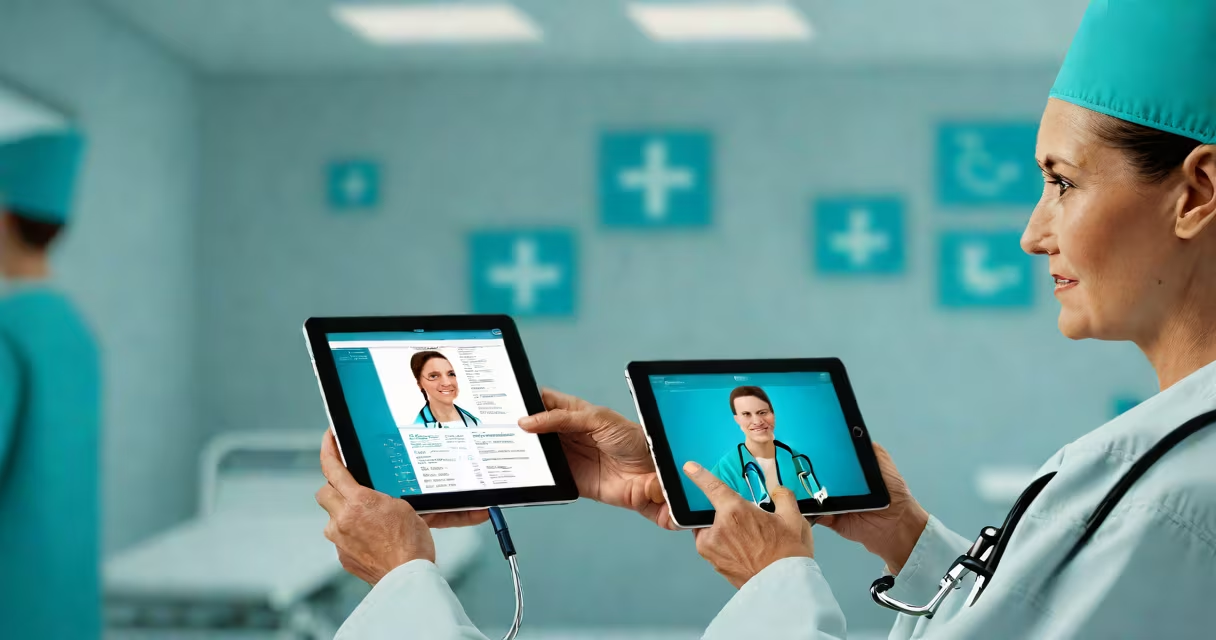
Nursing informatics education requirements involve completing a Bachelor of Science in Nursing (BSN), then pursuing a Master of Science in Nursing (MSN) with a concentration in informatics, followed by certification through the American Nurses Credentialing Center (ANCC).
Nursing informatics integrates clinical practice, information science, and healthcare technology. It enables nurses to design, implement, and evaluate digital tools that improve patient outcomes, reduce errors, and support decision-making. The field emerged from the need to manage growing volumes of health data and align clinical workflows with electronic systems.
Core responsibilities include analyzing electronic health record (EHR) data, configuring clinical software, training staff on new systems, and ensuring compliance with privacy laws like HIPAA. Informaticists often work in hospitals, research institutions, or health tech companies, bridging gaps between clinicians and IT teams.
Education begins with a BSN from an accredited program. This foundational degree covers anatomy, pharmacology, patient assessment, and basic health information systems. Most programs require 120 credit hours and include clinical rotations in acute care, pediatrics, and community settings.
After earning a BSN and passing the NCLEX-RN exam, nurses pursue an MSN with a specialization in informatics. These programs typically take 18-24 months and include courses in database management, human-computer interaction, health data standards (like HL7 and SNOMED CT), and project management. Students complete a capstone project involving a real-world system improvement, such as optimizing medication ordering workflows in a hospital EHR.
For example, during my time working in a regional medical center, I observed a team of informaticists redesign the discharge process using data analytics. They identified delays caused by missing documentation fields and redesigned the EHR template. After implementation, average discharge times dropped from 4.2 hours to 2.8 hours across 12 units.
There are three primary educational tracks:
| Track | Entry Level | Duration | Certification |
|---|---|---|---|
| BSN to MSN Informatics | BSN graduate | 18-24 months | BCPM (Board Certified in Clinical Informatics) |
| RN to MSN Informatics | Associate degree or diploma RN | 24-36 months | ANCC Clinical Informatics Nurse Certification |
| Post-Master's Certificate | MS in Nursing | 12-18 months | ANCC or AMIA certification |
The ANCC offers the Clinical Informatics Nurse Certification (CIN-C), which requires 1,000 hours of direct clinical informatics experience and a passing score on a 150-question exam. The American Medical Informatics Association (AMIA) provides a credentialing pathway for those focused on research and public health data systems.
A common misconception is that informatics roles only require technical skills. In reality, successful informaticists must understand both clinical workflows and user behavior. A 2022 study published in *Journal of the American Medical Informatics Association* found that 78% of EHR implementation failures stemmed from poor clinician engagement, not software flaws.
Hospitals and health systems increasingly rely on informaticists to meet federal mandates like Meaningful Use and the 21st Century Cures Act. These regulations require interoperability-meaning different systems must exchange data securely. For example, a patient transferring from a rural clinic to a tertiary care center must have their lab results and medication history available within minutes, not days.
Healthcare organizations use informaticists to ensure compliance with data privacy standards. The Office of the National Coordinator for Health IT (ONC) reports that 62% of healthcare data breaches in 2023 involved unauthorized access to EHRs due to misconfigured system permissions-often preventable with proper training and oversight.
Some employers accept a bachelor's degree in computer science or information systems combined with clinical experience. However, the ANCC requires a current RN license and formal nursing education for eligibility. A 2021 survey by the National League for Nursing found that 89% of hiring managers preferred candidates with a master's degree in nursing informatics over those with only a bachelor's in IT.
Informatics is not the same as health IT support. While both involve technology, IT support maintains systems, whereas informaticists analyze how data flows through care processes and recommend improvements. An IT technician might fix a login issue; a nurse informaticist identifies why 40% of providers skip documenting allergies in the EHR and redesigns the interface to make it mandatory.
Another confusion is equating nursing informatics with telehealth. Telehealth focuses on remote patient monitoring and virtual visits. Informatics supports the underlying data infrastructure that makes telehealth safe and effective. For instance, a telehealth platform must track important signs, medication adherence, and appointment completion-all managed through informatics frameworks.
One non-obvious fact: many nursing informatics programs now include training in artificial intelligence (AI) ethics. As AI models begin predicting patient deterioration or suggesting treatment plans, nurses must understand bias in algorithms, explain decisions to patients, and advocate for transparency. The University of Minnesota's MSN in Nursing Informatics includes a course titled "Ethical Implications of AI in Healthcare," which examines cases where AI recommendations led to racial disparities in sepsis detection.
For nurses transitioning from clinical roles, advanced education is essential. A 2023 report from the Health Resources and Services Administration (HRSA) projected a 25% increase in demand for clinical informaticists by 2030, driven by national efforts to digitize health records and improve care coordination.
Nursing informatics education requirements form a structured path from clinical practice to system-level impact. The combination of nursing expertise, data literacy, and project leadership prepares professionals to shape how technology serves patients and providers alike.