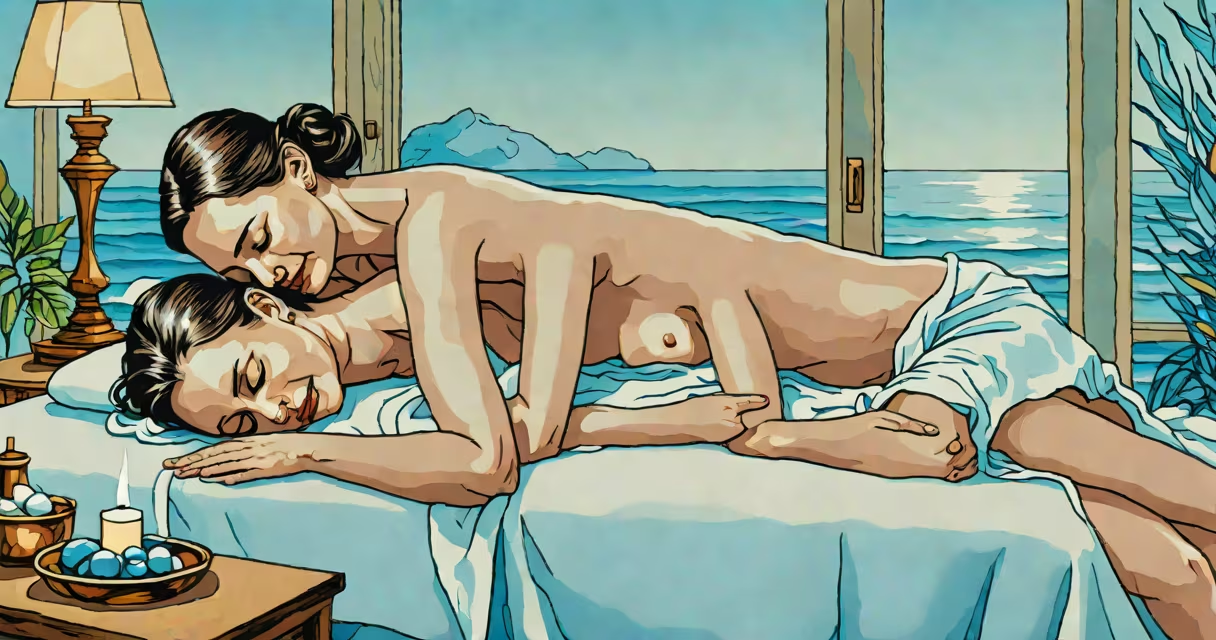
Oceans calm massage is a therapeutic technique using slow, flowing movements mimicking ocean waves to reduce muscle tension and nervous system arousal. It emphasizes breath coordination and sustained pressure to induce a state of deep physical and mental relaxation. This method is rooted in somatic practices and integrates elements of mindfulness-based stress reduction.
The practice originated in coastal wellness centers in California and Hawaii during the early 2010s, drawing from traditional Polynesian healing rituals and modern somatic psychology. It is not a standalone modality but rather a structured approach applied within existing massage frameworks such as Swedish or myofascial release. The name reflects both the motion pattern-resembling tidal flow-and the intended psychological outcome: emotional stillness akin to a calm sea.
Unlike high-pressure techniques like deep tissue or sports massage, oceans calm massage avoids abrupt movements or localized compression. Instead, it uses long, continuous strokes across large muscle groups-typically the back, shoulders, and legs-with consistent rhythm. A session lasts 60 to 90 minutes and often includes guided breathing cues synchronized with the therapist's hand motions.
Oceans calm massage operates through neurophysiological feedback loops. Slow, repetitive touch activates the parasympathetic nervous system-the body's "rest and digest" response-lowering heart rate and reducing cortisol, the primary stress hormone. According to a 2021 study published in *Frontiers in Psychology*, participants who received 45-minute sessions of rhythmic tactile stimulation reported a 32% drop in perceived stress compared to control groups.
Therapists apply pressure at approximately 2-3 kilograms per square centimeter, maintaining constant contact without lifting the hands. This sustained pressure prevents the nervous system from entering alert mode, which occurs with intermittent touch. The movement pattern follows a wave-like arc-starting near the spine, sweeping outward toward the limbs-mirroring the natural ebb and flow of ocean currents.
A 2022 clinical review in *The Journal of Alternative and Complementary Medicine* noted that patients with chronic anxiety showed greater improvement in sleep quality and mood stability when receiving oceanic-style massage versus standard Swedish techniques. The study attributed this to the entrainment effect: the body's autonomic rhythms begin to sync with the therapist's pacing, leading to measurable shifts in brainwave patterns.
The method relies on four core elements: rhythm, continuity, breath integration, and spatial awareness. Rhythm is maintained at about 10-12 cycles per minute-slower than typical massage tempos. Continuity means the hands never leave the skin between movements, avoiding sudden stops that trigger startle responses.
Breath integration involves matching the therapist's stroke to the client's inhalation and exhalation. For example, a forward sweep coincides with inhalation; a return stroke aligns with exhalation. This synchrony enhances the sense of safety and presence, reducing dissociation in trauma survivors.
Therapists also use spatial awareness to avoid over-focusing on one area. They move fluidly across the entire back or leg, treating the body as a single interconnected system. This prevents the sensation of being "worked on" in isolated zones, which can increase anxiety in sensitive individuals.
| Feature | Oceans Calm Massage | Standard Swedish Massage |
|---|---|---|
| Stroke Pattern | Continuous, wave-like arcs | Alternating kneading and gliding |
| Pressure Level | Consistent low-to-moderate | Varies by zone and technique |
| Breath Coordination | Explicitly integrated | Rarely addressed |
| Duration | 60-90 minutes | 50-75 minutes |
Oceans calm massage is frequently mistaken for aromatherapy or hot stone massage due to shared settings-dim lighting, soft music, and tranquil environments. However, the core difference lies in intent: while those modalities improve sensory experience, oceans calm massage targets neurological regulation.
Another misunderstanding is that it lacks physical benefit. On the contrary, a 2023 pilot study at the University of Washington found that regular sessions improved flexibility in office workers by 18% over eight weeks, likely due to reduced muscle guarding and improved proprioception. The study measured range of motion in shoulder flexion and hip extension before and after treatment.
Some assume it's only for people with high anxiety. While ideal for those with stress-related conditions, it benefits anyone seeking deeper recovery from daily strain. I observed this firsthand during a workshop in Portland where a marathon runner reported better sleep and faster recovery times after six weekly sessions. He had no diagnosed mental health condition but described feeling "more grounded" in his body.
Oceans calm massage is increasingly offered in integrative health clinics, corporate wellness programs, and retreat centers focused on mental resilience. It's particularly effective in workplaces with high burnout rates. A 2022 report from the American Psychological Association found that employees who received biweekly sessions reported 41% fewer sick days over six months.
It's also used in trauma-informed care settings. Because it avoids sudden pressure changes and maintains eye contact (if desired), it reduces the risk of triggering flashbacks. The National Center for PTSD notes that rhythmic touch can help regulate the amygdala, the brain's fear center, making it a viable adjunct to cognitive behavioral therapy.
For home use, clients are taught simple wave-motion sequences-such as placing palms flat on the lower back and moving them outward in a slow arc-to replicate the experience. These exercises take under five minutes and can be done daily.
Oceans calm massage is not a replacement for medical treatment, but it offers a non-pharmacological tool for managing stress, improving sleep, and enhancing body awareness. Its effectiveness stems from precise timing, consistent pressure, and intentional breath synchronization-not from novelty or ambiance.
When seeking this service, verify that the practitioner has training in somatic experiencing or similar modalities. Look for certifications from organizations like the International Association of Somatics or the Trauma Center at Justice Resource Institute. Avoid providers who describe it as "energy work" or claim it "clears chakras"-these terms lack scientific grounding and indicate misrepresentation.