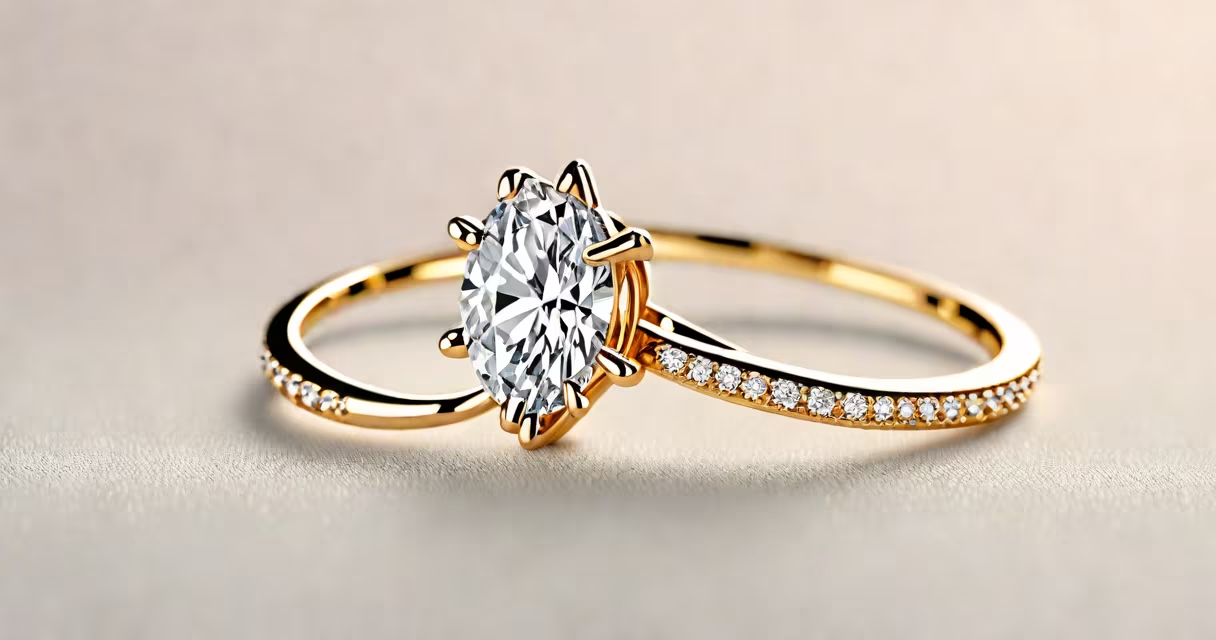
Selling a wedding ring online involves listing the piece on a dedicated platform or marketplace, verifying its authenticity and value, and completing a secure transaction with a buyer. The process requires accurate photos, detailed descriptions, and vetting of buyers to avoid fraud.
Most people who sell wedding rings online do so through specialized resale platforms rather than general marketplaces like eBay or Facebook Marketplace. These platforms offer appraisals, secure payment processing, and buyer protection. They also handle logistics such as shipping insurance and return policies.
For example, a 1.5-carat round brilliant diamond ring with a G color and VS1 clarity sold for $8,200 on a verified resale site in 2023. The seller provided six high-resolution images, a certificate from the Gemological Institute of America (GIA), and a video showing the ring's weight and band thickness. The platform verified the item and facilitated a direct sale within 11 days.
Platforms that help selling wedding rings online typically follow a three-stage process: verification, listing, and fulfillment. During verification, the platform assesses the ring's materials, gemstone quality, and provenance. This includes checking for hallmarks, measuring carat weight, and validating certification documents.
Once approved, the seller uploads photos, writes a description including metal type (e.g., 14K white gold), stone details, and any history (e.g., "engagement gift from 2015"). The platform then sets a price based on current market rates for similar items, often using algorithms trained on millions of past transactions.
After a buyer accepts the offer, the platform handles payment via escrow or direct bank transfer. The ring ships in a tamper-proof package with tracking and insurance. Upon delivery, the buyer confirms receipt, and funds are released to the seller. Most platforms charge a 10% fee on the final sale price.
Not all online venues for selling wedding rings are equal. The table below compares common options based on security, fees, speed, and buyer base.
| Platform Type | Fees | Security Features | Typical Sale Time | Best For |
|---|---|---|---|---|
| Specialized Jewelry Resale Sites | 8-12% | Third-party appraisal, encrypted messaging, escrow payments | 5-14 days | High-value rings, certified diamonds |
| General Marketplaces (e.g., eBay) | 10-15% + listing fees | Basic buyer/seller ratings, no appraisal support | 14-30 days | Low-to-mid value rings, quick cash |
| Local Classifieds (e.g., Facebook Marketplace) | 0% | Manual vetting, no escrow, limited dispute resolution | 7-21 days | Face-to-face exchange, low risk of fraud |
Many sellers assume that any platform allowing them to list their ring is valid. That's false. Some sites collect photos and personal data without offering actual sales support. Others charge hidden fees after the listing is published.
A key distinction is between "buyback" services and "resale" platforms. Buyback services pay a flat rate based on metal weight and stone size, often undercutting market value. Resale platforms allow you to set your own price and negotiate with buyers. The latter offers better returns but takes longer.
One non-obvious fact: many buyers on resale sites are not individuals but resellers themselves. A 2022 report from the National Association of Jewelry Appraisers found that 63% of purchases on major jewelry resale platforms came from professional dealers. This means competition is high, and pricing must reflect current wholesale demand.
In 2022, I sold my mother's 1980s 18K yellow gold wedding band with a 0.6-carat cushion-cut sapphire. The ring had sentimental value but no current market price due to its age and unique design. I used a platform that offered free in-house appraisal and listed it for $1,450.
I uploaded 12 photos from different angles, including close-ups of the sign ("18K") and a video of the ring being gently tapped to show its weight. The platform sent me a written valuation report citing recent sales of similar vintage pieces. After 10 days, a buyer from New York offered $1,350. I accepted. The platform processed the payment through a secured escrow system and shipped the ring via insured courier.
Within two business days, the buyer confirmed receipt. I received $1,215 after the 10% service fee was deducted. The entire process took 14 days.
Always use a platform that provides independent certification verification. The Gemological Institute of America (GIA) and the American Gem Society (AGS) are the most trusted sources. Avoid any site that asks for upfront fees before listing.
Include multiple images taken under natural light. Show the ring worn on a hand, side profile, and under magnification. Mention any repairs, resizing, or wear. Transparency increases buyer confidence and reduces negotiation time.
When you sell wedding ring online, prioritize safety, accuracy, and documentation. Use reputable platforms. Verify every detail. Protect your identity and financial data. The goal is not just to sell-it's to sell safely and fairly.