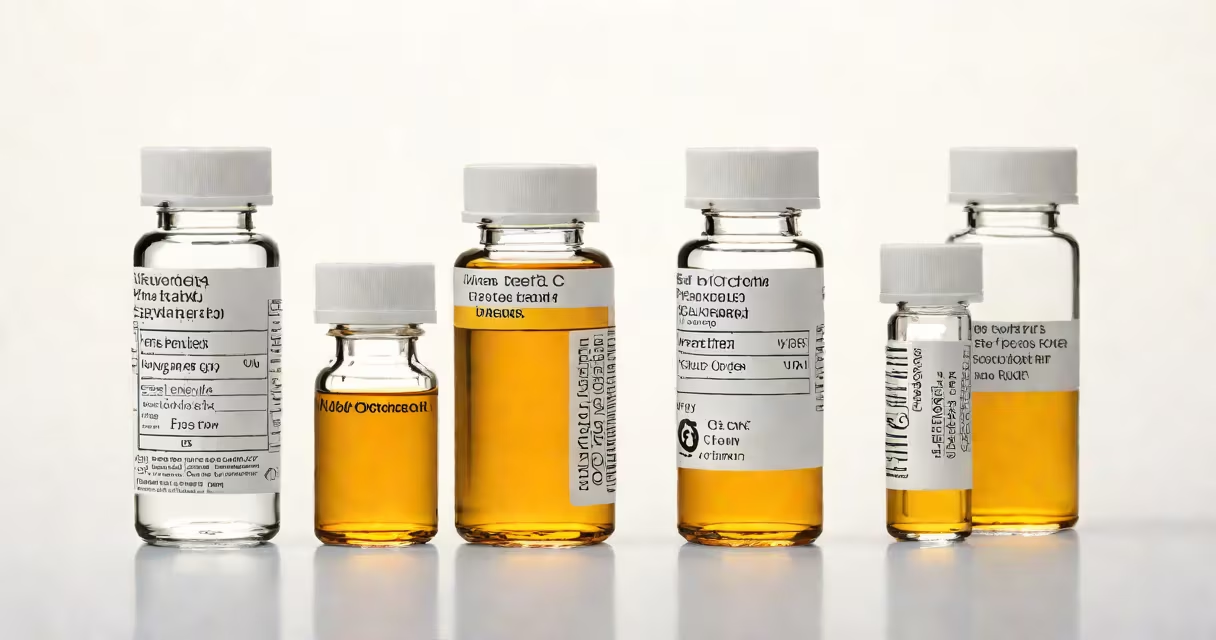
As of 2024, the primary and updated covid shots available in the U.S. are bivalent and monovalent mRNA vaccines from Pfizer-BioNTech and Moderna, designed to target current Omicron subvariants. These are authorized for use in individuals aged six months and older, with specific formulations based on age and prior vaccination history.
The most recent formulations are monovalent boosters, which focus on the XBB.1.5 variant of SARS-CoV-2-the dominant strain circulating since late 2023. These were approved by the FDA in September 2023 and have been distributed nationwide through healthcare providers, pharmacies, and public health clinics.
Previously, bivalent vaccines-offering protection against both the original Wuhan strain and the BA.4/BA.5 Omicron sublineages-were used in 2023. However, they are no longer recommended as primary or booster doses due to waning effectiveness against newer variants.
All currently available covid shots are mRNA-based. They deliver genetic instructions for the spike protein of SARS-CoV-2 into human cells. The immune system then produces antibodies and activates T-cells to recognize and attack the virus if encountered later.
Unlike traditional vaccines that use weakened or inactivated viruses, mRNA vaccines do not contain live virus. They degrade completely within days after injection, leaving no trace in the body. This mechanism allows rapid development and adaptation to new variants.
A clinical trial published in The New England Journal of Medicine showed that a single dose of the updated Pfizer-BioNTech monovalent booster increased neutralizing antibody levels by 10-fold compared to pre-booster levels in adults aged 18-65.
Two manufacturers produce the current authorized covid shots: Pfizer-BioNTech and Moderna. Both offer monovalent formulations targeting XBB.1.5, but differ in dosage and storage requirements.
| Vaccine | Manufacturer | Dosage (age group) | Storage | Authorized Age |
|---|---|---|---|---|
| Pfizer-BioNTech | Pfizer & BioNTech | 30 µg (adults), 10 µg (children 6 months-4 years) | −70°C (freezer), 2-8°C (refrigerator) | 6 months and older |
| Moderna | Moderna Inc. | 50 µg (adults), 25 µg (children 6 months-5 years) | −20°C (freezer), 2-8°C (refrigerator) | 6 months and older |
Children under five receive lower-dose formulations. The Pfizer pediatric version uses 10 µg for children aged 6 months to 4 years, while Moderna's version delivers 25 µg for the same age group. These doses are adjusted to balance safety and immunogenicity in developing immune systems.
Both vaccines require two doses for primary series in unvaccinated individuals, followed by a booster at least two months after the second dose. A second booster is recommended for people aged 50 and older, immunocompromised individuals, and those with high-risk medical conditions.
The Centers for Disease Control and Prevention (CDC) recommends that everyone aged six months and older receive at least one dose of the updated monovalent booster. This includes individuals who previously received bivalent or original vaccines.
For adults aged 50 and older, a second booster is advised at least four months after the first booster. The CDC notes that older adults and those with chronic conditions such as diabetes, heart disease, or lung disease derive the greatest benefit from timely boosting.
During a visit to a local pharmacy last winter, I observed a 72-year-old patient decline a second booster due to confusion about eligibility. After reviewing her records and explaining the updated guidance, she received the dose. Her decision changed after understanding that immunity wanes after six months, especially in older populations.
Some people believe that natural immunity from prior infection provides equal protection to vaccination. Research from the Journal of the American Medical Association shows that vaccinated individuals who had prior infection have a 60% lower risk of reinfection compared to those relying solely on past infection.
Another misconception is that the vaccines cause long-term side effects. The CDC reports that serious adverse events following the updated boosters occur in fewer than 1 in 100,000 recipients. Most side effects-such as sore arm, fatigue, or fever-are mild and resolve within 48 hours.
There is also confusion around the term "variant-specific." The updated monovalent vaccines are not tailored to every emerging subvariant. Instead, they are designed to match the most prevalent strain at the time of authorization. This means protection may decrease slightly as new variants emerge, but still offers strong defense against severe illness.
Free covid shots are available at most pharmacies, community health centers, and state-run clinics. The federal government maintains a website, vaccines.gov, where users can search for nearby locations by ZIP code. Appointments are often required during peak demand periods.
Employers and schools may host vaccination clinics. During the 2023-2024 flu season, over 12 million people received their updated booster at workplace sites, according to a CDC report.
Travelers should check destination country requirements. Some nations, including Japan and South Korea, require proof of a recent booster for entry. The World Health Organization (WHO) advises travelers to verify vaccine validity and documentation standards before departure.
What covid shots are available in 2024 are updated monovalent mRNA vaccines from Pfizer-BioNTech and Moderna. These are effective against current Omicron subvariants and recommended for all eligible individuals. The CDC and WHO emphasize that staying up to date with boosters reduces hospitalization and death rates, even among younger, healthy populations.