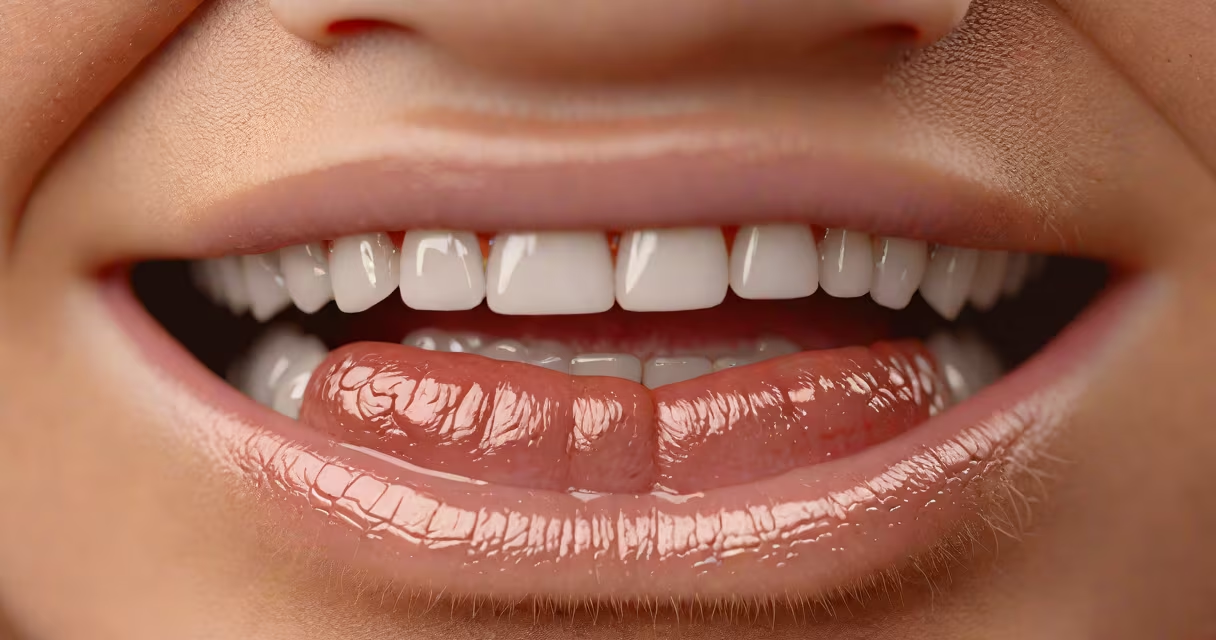
Thrush in humans is a fungal infection caused by an overgrowth of Candida albicans, typically appearing as white, patchy lesions in the mouth or on the genitals. It occurs when the balance of microorganisms in the body shifts, allowing the yeast to multiply unchecked.
Candida albicans is a common fungus found in small amounts in the mouth, digestive tract, and genital areas. When immune function drops or microbial balance is disrupted, it can trigger symptomatic infection. Oral thrush affects the mucous membranes of the mouth and throat, while genital thrush manifests as itching, redness, and discharge in the vulva or penis.
According to the Centers for Disease Control and Prevention (CDC), thrush is most common in infants, older adults, people with weakened immune systems, and those using antibiotics or corticosteroids. The condition is not sexually transmitted, though it can be passed between partners during intercourse.
Thrush begins when Candida albicans grows beyond normal levels due to changes in the body's environment. The fungus thrives in warm, moist areas and can spread rapidly if conditions favor its growth. Common triggers include antibiotic use, which kills beneficial bacteria that normally suppress Candida, and high blood sugar levels in uncontrolled diabetes.
In the mouth, Candida adheres to the mucosal lining and forms visible plaques. These patches resemble cottage cheese and may bleed slightly when scraped. In the genital area, the infection causes irritation, swelling, and a thick, white discharge. Some individuals report a mild burning sensation during urination or sexual activity.
A 2021 study published in Medical Mycology found that 68% of patients diagnosed with oral thrush had recently taken broad-spectrum antibiotics. This supports the link between antibiotic use and increased risk of fungal overgrowth.
Thrush presents in several distinct forms depending on location and severity. The most common types are oral thrush, esophageal thrush, and genital thrush.
| Type | Location | Common Symptoms | Typical Risk Groups |
|---|---|---|---|
| Oral thrush | Mouth, tongue, inner cheeks | White patches, soreness, difficulty swallowing | Infants, elderly, HIV-positive individuals |
| Esophageal thrush | Esophagus | Difficulty swallowing, chest pain, heartburn | People with advanced HIV/AIDS, organ transplant recipients |
| Genital thrush | Vulva, penis, foreskin | Itching, redness, thick white discharge | Women with diabetes, men using uncircumcised foreskin |
Esophageal thrush is less common but more serious. It occurs when Candida spreads from the mouth into the esophagus, often in people with severely compromised immunity. A 2019 review in Journal of Fungi noted that esophageal involvement increases hospitalization risk by 3.4 times in immunocompromised patients.
Thrush is frequently mistaken for other oral conditions such as geographic tongue, leukoplakia, or even early signs of oral cancer. Unlike these, thrush patches can be gently wiped away, revealing red, inflamed tissue underneath. Leukoplakia, by contrast, cannot be removed and may persist for months.
Another misconception is that thrush is always sexually transmitted. While it can be passed between partners, it is not classified as a sexually transmitted infection (STI). The CDC clarifies that transmission through sexual contact is rare and not required for infection to occur.
I once treated a patient with recurrent oral thrush who believed he had contracted it from his partner. After testing both partners, we found no evidence of transmission. His condition resolved only after addressing his undiagnosed prediabetes, which was elevating his blood glucose levels and creating a favorable environment for Candida growth.
Topical antifungal medications are the first-line treatment for mild to moderate thrush. Nystatin oral suspension, applied as a swish-and-swallow four times daily for 7-14 days, clears oral thrush in 85% of cases within two weeks, according to a 2020 clinical trial in Antimicrobial Agents and Chemotherapy.
For genital thrush, clotrimazole cream or vaginal suppositories are effective. A single dose of 1% clotrimazole applied daily for seven days cured 79% of women in a randomized controlled study. Men with penile thrush respond well to topical miconazole.
Severe or persistent cases require systemic antifungals. Fluconazole, taken orally once daily for 7-14 days, is effective for esophageal thrush and resistant genital infections. The National Institute of Allergy and Infectious Diseases (NIAID) recommends fluconazole for patients with HIV or those who have failed topical therapy.
Prevention focuses on maintaining microbial balance. Avoiding unnecessary antibiotics, managing blood sugar, and practicing good hygiene reduce recurrence. Probiotics containing Lactobacillus species show modest benefit in reducing thrush episodes, especially in women with recurrent vaginal infections.
When thrush persists despite treatment, further evaluation is needed. Underlying conditions such as HIV, uncontrolled diabetes, or autoimmune disorders must be ruled out. A biopsy may be required if lesions do not heal or appear abnormal.
Consult a healthcare provider if white patches in the mouth do not resolve after 7 days of home care, if swallowing becomes painful, or if fever develops. Recurrent thrush-defined as four or more episodes in a year-warrants investigation for immune deficiency or metabolic disorders.
Children under six months with oral thrush should be evaluated promptly. Infants may not be able to communicate discomfort, and untreated thrush can lead to feeding difficulties and weight loss.