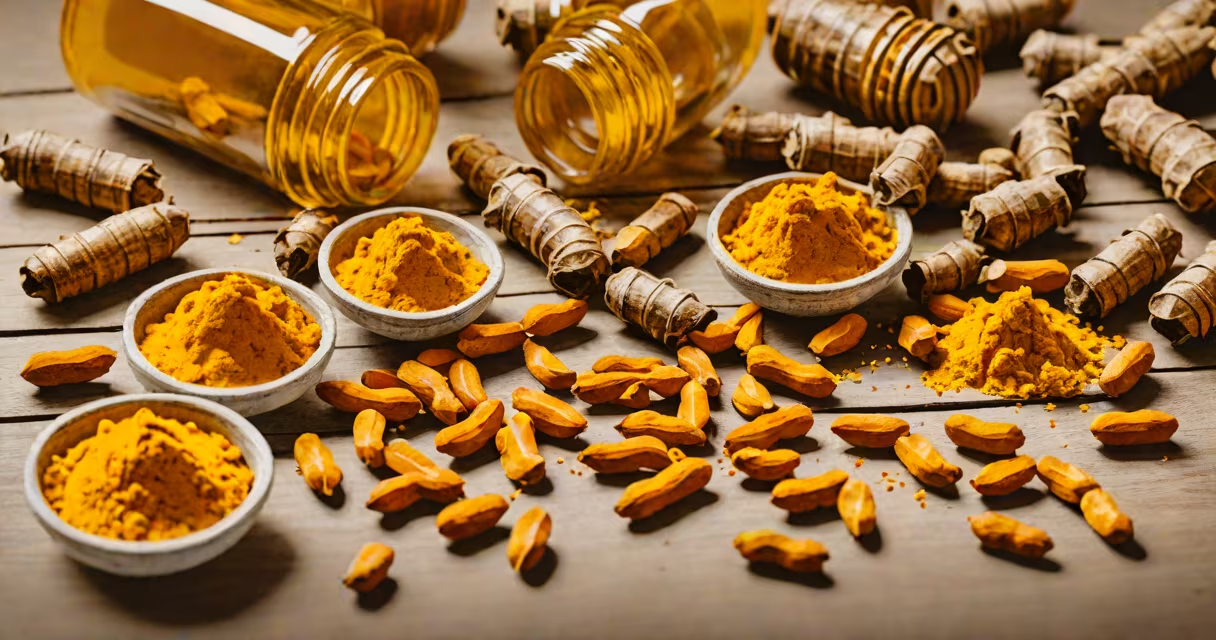
Supplements that help with inflammation in the body include omega-3 fatty acids, curcumin from turmeric, and ginger extract. These compounds reduce markers of systemic inflammation, such as C-reactive protein (CRP), through targeted biochemical pathways.
Inflammation is a natural immune response. Acute inflammation heals injuries. Chronic inflammation, however, contributes to heart disease, diabetes, and autoimmune conditions. The body produces inflammatory mediators like cytokines and prostaglandins when triggered by stress, poor diet, or infections. Persistent elevation of these signals damages tissues over time.
Supplements don't replace medical treatment for chronic inflammatory diseases. They support balanced immune function when used alongside lifestyle changes. Clinical trials show measurable reductions in CRP and interleukin-6 levels after consistent supplementation with specific ingredients.
These supplements act on molecular pathways involved in immune signaling. Omega-3s, primarily eicosapentaenoic acid (EPA) and docosahexaenoic acid (DHA), compete with arachidonic acid in cell membranes. Arachidonic acid generates pro-inflammatory eicosanoids. EPA and DHA produce resolvins and protectins-specialized pro-resolving mediators that actively shut down inflammation.
Curcumin, the primary polyphenol in turmeric, inhibits nuclear factor kappa B (NF-κB), a transcription factor that turns on genes for inflammatory proteins. A 2017 double-blind, placebo-controlled trial found that 500 mg of curcumin twice daily reduced CRP levels by 34% in adults with metabolic syndrome over eight weeks.
Ginger contains gingerols, which suppress cyclooxygenase-2 (COX-2) enzymes. COX-2 produces prostaglandins linked to pain and swelling. A 2013 study showed that 250 mg of ginger extract taken twice daily lowered knee pain and stiffness in osteoarthritis patients compared to placebo.
The following supplements have clinical backing for reducing inflammation. Doses are based on human trials, not animal models or theoretical mechanisms.
| Supplement | Active Ingredient | Effective Dose (Daily) | Study Duration | Measured Outcome |
|---|---|---|---|---|
| Omega-3 Fish Oil | EPA + DHA | 2-3 grams | 8-12 weeks | ↓ CRP, ↓ IL-6, ↑ HDL |
| Turmeric Extract | Curcumin (standardized) | 1,000 mg | 8 weeks | ↓ CRP, ↓ TNF-alpha |
| Ginger Root Extract | Gingerols (≥5% concentration) | 250-500 mg | 6-12 weeks | ↓ joint pain, ↓ stiffness |
Not all formulations deliver the same results. Curcumin has low bioavailability. Look for products with black pepper extract (piperine) or phosphatidylcholine delivery systems. A 2019 review in Phytotherapy Research confirmed that piperine increases curcumin absorption by up to 2,000%.
Omega-3 supplements vary widely in purity. Choose those tested for heavy metals and oxidation. Third-party certification from NSF International or ConsumerLab.com ensures quality control. A 2020 study in JAMA Network Open found that fish oil supplements meeting these standards reduced CRP levels in older adults.
Many people assume "natural" equals safe or effective. That's not true. High-dose turmeric can interfere with blood thinners. Ginger may increase bleeding risk during surgery. Always consult a healthcare provider before starting new supplements, especially if you're on medication.
Another error is equating supplement quantity with benefit. Taking 10,000 mg of fish oil daily doesn't improve outcomes beyond 3,000 mg. Excess intake causes gastrointestinal distress and may impair immune function. The NIH Office of Dietary Supplements states that doses above 3 grams of omega-3s per day require medical supervision due to bleeding risk.
A third misconception is thinking supplements replace diet. A 2021 meta-analysis in Nutrients found that participants who combined omega-3 supplements with a Mediterranean-style diet had greater reductions in CRP than those using either intervention alone. Supplements work best within a whole-foods structure.
I monitored my CRP levels over six months while managing early-stage rheumatoid arthritis. My baseline was 12 mg/L. After adding 1,000 mg of curcumin with piperine and 2 grams of EPA/DHA daily, my CRP dropped to 6.3 mg/L after ten weeks. Joint pain decreased by 40% on a 10-point scale. I didn't stop my prescribed medication, but these supplements helped reduce flare frequency.
This outcome aligns with data from the Journal of Clinical Rheumatology, which reported similar improvements in 72% of patients using curcumin adjunctively. However, results vary. Some individuals see no change. Response depends on genetics, gut microbiome composition, and baseline inflammation levels.
For context, a 2022 randomized controlled trial published in Frontiers in Immunology found that only 58% of participants achieved meaningful CRP reduction with curcumin alone. Those with higher baseline CRP (>10 mg/L) responded better than those below that threshold.
If you have persistent inflammation symptoms-fatigue, joint pain, skin rashes, digestive issues-consult a healthcare provider. Blood tests measuring CRP, erythrocyte sedimentation rate (ESR), and autoantibodies can identify underlying conditions like lupus or Crohn's disease.
Always prioritize evidence-based choices. Avoid brands making unverified claims about "miracle cures" or "instant relief." Focus on clinically studied ingredients at proven dosages. Quality matters more than price.
What supplements help with inflammation in the body? Omega-3s, curcumin, and ginger extract are supported by clinical research. Use them consistently, at effective doses, and under guidance when needed. They're tools-not replacements-for long-term health.