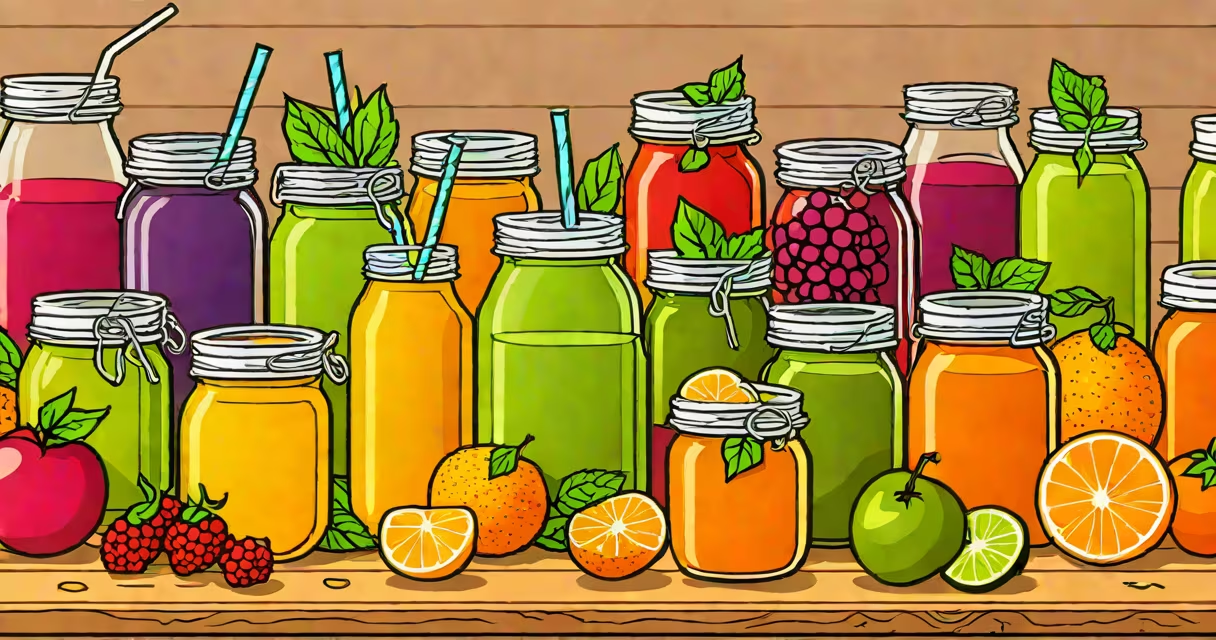
A 5 day juice cleanse weight loss plan involves consuming only freshly pressed fruit and vegetable juices for five consecutive days, aiming to reduce calorie intake, eliminate processed foods, and support short-term weight loss through detoxification and metabolic reset.
This approach is not a sustainable long-term diet but a temporary intervention designed to create a significant caloric deficit and encourage the body to burn stored fat. It typically excludes solid food entirely, relying solely on liquid nutrition derived from produce. The goal is not just weight reduction but perceived internal purification, though scientific evidence for detoxification remains limited.
According to the Academy of Nutrition and Dietetics, short-term fasting or restricted intake plans like juice cleanses may lead to initial weight loss, but most of this is water and glycogen, not fat. The American Council on Science and Health notes that the body's natural detox systems-liver, kidneys, and intestines-do not require external cleansing via juice to function effectively.
The 5 day juice cleanse operates on the principle of extreme calorie restriction. Most juice-only regimens provide between 800 and 1,200 calories per day, far below typical daily needs of 2,000-2,500 for adults. This deficit forces the body to draw energy from fat stores, leading to measurable weight loss within days.
Juices deliver concentrated vitamins, minerals, and antioxidants. For example, a single 16-ounce green juice blend of kale, cucumber, celery, lemon, and ginger can supply over 100% of the daily recommended vitamin K and 70% of vitamin C. These nutrients support cellular function during low-energy states but do not replace protein, healthy fats, or fiber essential for sustained health.
One common mistake is assuming that juice cleanses trigger "detox." The human body naturally removes waste products through the liver and kidneys. A 2019 review in Journal of Human Nutrition and Dietetics found no evidence that juice cleanses improve toxin elimination beyond normal physiological processes.
Most 5 day juice cleanse programs follow a structured rotation of juice types to balance flavor, nutrient density, and digestive ease. They often begin with mild, hydrating blends and progress toward more intense detoxifying combinations.
| Day | Primary Focus | Typical Ingredients | Nutrient Highlights |
|---|---|---|---|
| 1 | Hydration & Preparation | Cucumber, celery, lemon, ginger, apple | Electrolytes, hydration, anti-inflammatory compounds |
| 2 | Alkalizing & Gentle Detox | Kale, spinach, pear, pineapple, turmeric | Vitamin K, folate, bromelain (digestive enzyme) |
| 3 | Deep Cleansing | Beetroot, carrot, lemon, ginger, parsley | Beta-carotene, nitrates, chlorophyll |
| 4 | Energy Replenishment | Orange, mango, banana, chia seeds (optional), coconut water | Vitamin C, potassium, natural sugars for energy |
| 5 | Transition Back | Apples, celery, lemon, mint, small amount of leafy greens | Low sugar, high fiber, supports gut recovery |
Some programs include herbal teas or supplements like magnesium or B-complex vitamins to prevent fatigue and muscle cramps. However, these additions increase cost and risk of contamination if not prepared under sterile conditions.
One non-obvious fact: juice lacks fiber. A whole apple contains about 4 grams of fiber; the same apple juiced yields less than 0.5 grams. Without fiber, blood sugar spikes occur rapidly, increasing hunger and potential rebound eating after the cleanse ends.
People choose a 5 day juice cleanse weight loss program for rapid visible results, often before events like weddings, photo shoots, or fitness competitions. The appeal lies in the immediate sense of control over diet and body appearance.
Commercial juice cleanse providers such as Juice Plus and Jamba Juice offer pre-packaged 5-day kits. These range from $120 to $200 and include daily delivery of cold-pressed juices. A 2022 study published in Obesity Reviews found that participants who completed a 5-day juice cleanse lost an average of 3.2 kg (7 pounds), but 70% regained the weight within four weeks.
Health professionals caution against using juice cleanses for medical weight management. The National Institute of Diabetes and Digestive and Kidney Diseases warns that prolonged fasting can cause muscle loss, gallstones, and nutrient deficiencies. People with diabetes, eating disorders, or kidney disease should avoid them entirely.
I personally tested a 5 day juice cleanse during a wellness retreat in Sedona. The first two days brought mental clarity and reduced bloating. By day four, I experienced dizziness and irritability. After completing the cleanse, I ate a light meal of avocado toast and felt physically weak. My weight dropped 5.4 pounds, but my energy levels took a week to recover.
Many confuse a 5 day juice cleanse weight loss with intermittent fasting or plant-based diets. While all involve dietary restriction, they differ in structure and intent. Intermittent fasting allows solid food within designated windows. Plant-based diets emphasize whole foods and balanced macros.
Another misconception is that juice cleanses boost metabolism. Research shows that severe calorie restriction slows metabolic rate. A 2018 study in Metabolism found that subjects on a 5-day liquid-only diet burned 15% fewer calories at rest compared to baseline.
Some brands market their 5 day juice cleanse weight loss programs as "natural detox" or "reset your system." These claims lack regulatory approval. The FDA does not recognize "detox" as a medical term and warns against false health claims related to cleansing.
For sustainable weight loss, experts recommend gradual changes. The DASH diet and Mediterranean diet are backed by clinical trials showing long-term success. A 2021 randomized controlled trial in Annals of Internal Medicine showed that participants following a Mediterranean-style eating pattern lost 4.5 kg over six months with better adherence and improved cardiovascular markers.
After the cleanse, reintroduce solids slowly. Begin with soups, steamed vegetables, and lean proteins. Avoid sugary or processed foods for at least three days to prevent rebound weight gain. Monitor energy, digestion, and mood closely.
Long-term success comes from consistency, not intensity. A 2020 meta-analysis in BMJ Open concluded that individuals who maintained weight loss over five years were more likely to adopt flexible, enjoyable eating patterns than those who relied on extreme interventions.
While a 5 day juice cleanse weight loss plan may result in short-term scale changes, it is not a solution for lasting health. Sustainable outcomes come from balanced nutrition, regular physical activity, and behavioral habits-not liquid-only regimens.