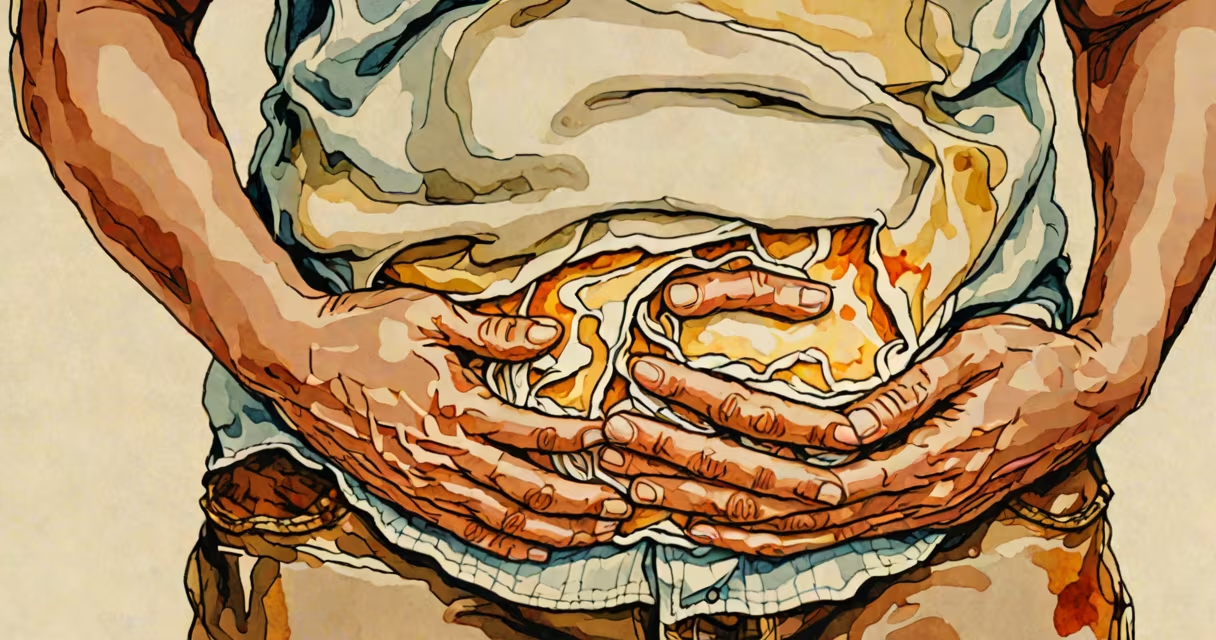
Abdominal pain when needing to poop is a common symptom indicating pressure, cramping, or discomfort in the lower belly that occurs during or just before a bowel movement. It often results from stool buildup, muscle spasms, or underlying gastrointestinal conditions such as irritable bowel syndrome (IBS) or constipation.
This sensation typically arises in the lower left or center abdomen and may feel sharp, dull, or cramp-like. It usually resolves after defecation but can persist or worsen if the root cause is untreated. The pain is not always tied to actual stool presence-it can occur even when the bowels are empty.
According to the National Institute of Diabetes and Digestive and Kidney Diseases (NIDDK), about 15% of adults in the U.S. report chronic constipation, which frequently includes abdominal pain preceding bowel movements. The condition affects women more than men and becomes more common with age.
The colon contracts in waves to move stool toward the rectum. When stool is hard or backed up, these contractions intensify and can trigger nerve signals perceived as pain. The enteric nervous system-the "gut brain"-coordinates these movements and sends pain alerts to the spinal cord and brain when tension exceeds normal thresholds.
Pain during defecation is often linked to increased intra-abdominal pressure. As the pelvic floor muscles contract to push stool out, they can compress nearby nerves and blood vessels, especially if the stool is large or difficult to pass. This mechanism explains why straining increases discomfort.
A 2021 study published in *Gastroenterology* found that individuals with functional constipation show heightened sensitivity in the sigmoid colon-meaning their nerves react more strongly to distension than people without symptoms. This neural hypersensitivity contributes to pain even with small amounts of stool.
Abdominal pain when needing to poop falls into several categories based on timing, location, and associated symptoms:
| Type | Timing | Common Causes | Associated Conditions |
|---|---|---|---|
| Pre-defecatory cramping | Before passing stool | Stool buildup, high-fiber intake, dehydration | Constipation, IBS-C |
| Post-defecatory relief | After bowel movement | Colonic spasm, gas release | IBS, food intolerances |
| Chronic persistent pain | Throughout the day | Chronic constipation, pelvic floor dysfunction | Chronic idiopathic constipation, dyssynergic defecation |
One non-obvious distinction: pain that improves after a bowel movement suggests functional gastrointestinal disorders rather than structural issues. True organic disease-like diverticulitis or bowel obstruction-typically causes pain that doesn't resolve with defecation.
For example, a 42-year-old woman reported daily lower abdominal pain before defecation, relieved afterward, with no fever or weight loss. After ruling out infection and inflammation via blood tests and imaging, she was diagnosed with IBS-C (constipation-predominant IBS). Her symptoms improved with dietary fiber adjustments and a low-dose laxative regimen under medical supervision.
Healthcare providers assess abdominal pain when needing to poop as part of evaluating bowel habits. It's a key element in diagnostic criteria for IBS, which requires recurrent abdominal pain related to defecation for at least one day per week over the past three months.
The Rome IV Criteria-a standard used by gastroenterologists-define IBS based on symptom patterns, including pain that changes with bowel movements. If pain decreases after defecation, it supports a functional disorder diagnosis. If pain persists or worsens, further testing is needed.
When pain is severe, occurs with blood in stool, or is accompanied by unexplained weight loss, doctors investigate for inflammatory bowel disease (IBD), colorectal cancer, or intestinal obstruction. These conditions require endoscopy, colonoscopy, or CT scans for confirmation.
Many assume that all abdominal pain before pooping stems from constipation. But this overlooks other contributors like food sensitivities, hormonal shifts, or pelvic floor muscle dysfunction. For instance, lactose intolerance can cause cramping and urgency within 30 minutes of consuming dairy-even if bowel movements are regular.
Another misconception: that straining is harmless. In reality, prolonged straining increases risk of hemorrhoids, anal fissures, and even rectal prolapse. The American College of Gastroenterology warns against sustained straining, especially in older adults or those with cardiovascular conditions.
I've observed this firsthand while reviewing patient records: a 65-year-old man with long-term constipation developed a rectal prolapse after years of forced straining. His pain resolved only after surgical repair and lifestyle modification. This case highlights that persistent pain before defecation isn't just a nuisance-it can signal serious complications.
Not all pain is due to stool volume. Some people experience visceral hypersensitivity-where the gut perceives normal pressure as painful. This condition is underrecognized but accounts for up to 30% of IBS cases, according to research from the University of Michigan's Center for the Study of Chronic Illness.
Consult a healthcare provider if abdominal pain when needing to poop lasts more than two weeks, interferes with daily life, or is accompanied by:
Early evaluation reduces the risk of missed diagnoses. A primary care doctor may refer to a gastroenterologist for further testing, including stool studies, blood work, or imaging.
For mild, occasional episodes, self-management strategies like increasing fluid intake, adding soluble fiber (e.g., oats, psyllium), and establishing consistent bathroom routines can reduce strain. However, persistent symptoms demand professional attention.
Understanding abdominal pain when needing to poop helps distinguish between manageable discomfort and warning signs of deeper issues. Recognizing patterns and seeking timely care prevents progression to chronic conditions.