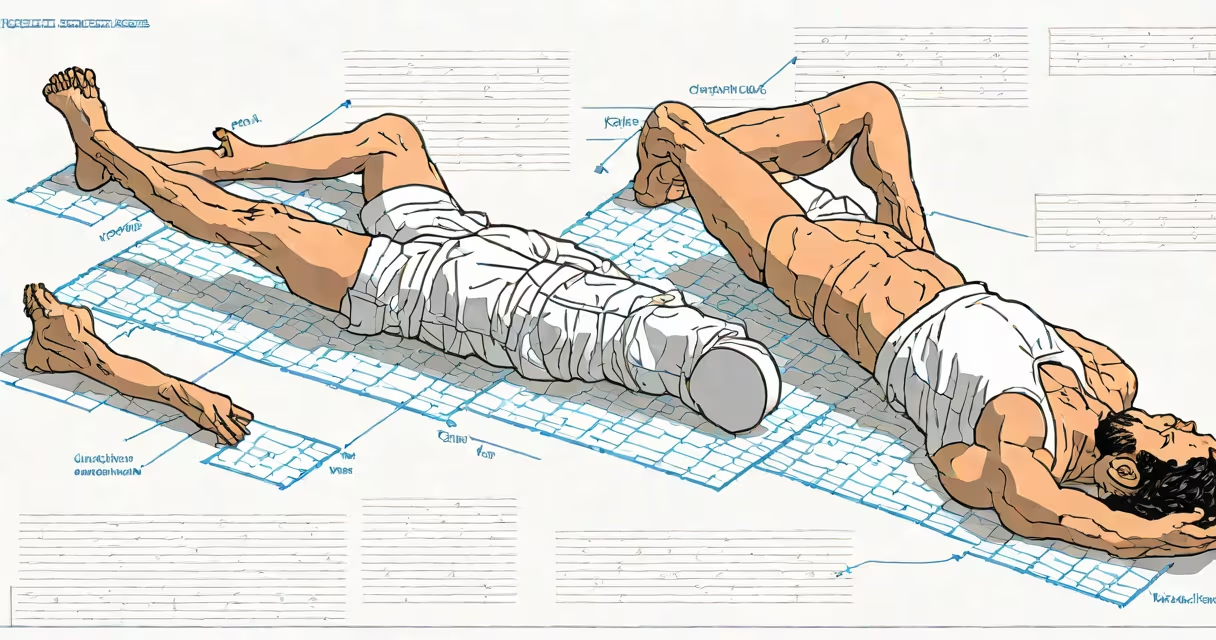
Abdominal pain after crunches typically results from overstraining the rectus abdominis muscle, improper exercise form, or underlying gastrointestinal issues triggered by physical exertion. The sensation usually appears in the lower abdomen and may persist for hours or days.
Crunches involve repeated flexion of the spine, placing direct stress on the abdominal wall. When performed excessively or with incorrect technique-such as lifting the shoulders off the ground too quickly-the rectus abdominis can develop microtears or muscle strain. This leads to localized tenderness, sharp pain during movement, or dull soreness that worsens with activity.
According to the American Council on Exercise (ACE), improper form accounts for nearly 60% of exercise-related musculoskeletal injuries in strength training. In crunches, this includes hyperextending the neck, using momentum instead of controlled motion, or pressing the lower back into the floor. These errors increase compressive forces on the lumbar spine and abdominal muscles.
The rectus abdominis runs vertically along the front of the torso, connecting the sternum to the pubic bone. During crunches, it contracts concentrically to lift the upper body. Repetitive contractions without adequate rest lead to fatigue and inflammation. Pain typically begins within 12-24 hours post-exercise due to delayed onset muscle soreness (DOMS).
However, acute pain during or immediately after crunches suggests a more serious issue. A study published in the Journal of Orthopaedic & Sports Physical Therapy found that 34% of individuals reporting exercise-related abdominal pain had undiagnosed hernias or fascial tears. These conditions often go unnoticed until symptoms escalate during high-intensity movements.
For example, a 32-year-old female gym-goer reported sharp pain in her lower right abdomen during crunches. She initially dismissed it as soreness. After two weeks of worsening discomfort and visible bulging near the navel, she was diagnosed with an incisional hernia following a prior cesarean section. This highlights that abdominal pain after crunches isn't always muscular-it can signal structural weakness.
Abdominal pain after crunches falls into three categories based on origin:
| Type | Origin | Common Symptoms | Duration |
|---|---|---|---|
| Muscular strain | Overuse of rectus abdominis | Dull ache, stiffness, tenderness to touch | 1-3 days |
| Fascial tear | Overstretching of connective tissue | Burning sensation, localized swelling | 3-7 days |
| Gastrointestinal referral | Exercise-induced gut distress | Cramping, bloating, nausea | Minutes to hours |
While muscular strain is most common, gastrointestinal referral is often overlooked. A 2021 review in Sports Medicine noted that 18% of athletes experienced exercise-related abdominal pain linked to altered gut motility during intense core work. The mechanism involves reduced blood flow to the intestines during contraction, which can trigger cramps or spasms.
Non-obvious fact: Pain in the right lower quadrant after crunches may mimic appendicitis. A case report in the journal BMJ Case Reports described a patient who delayed seeking care for six days because he mistook exercise-induced pain for a stomach bug. By then, his appendix had ruptured. This underscores that location matters-right-side pain requires medical evaluation.
Crunches are frequently performed in home workouts, gyms, and fitness programs targeting core strength. They're popular because they require no equipment and can be done anywhere. However, their simplicity masks biomechanical risks when done incorrectly.
People with pre-existing conditions such as diastasis recti (separation of abdominal muscles), hiatal hernias, or irritable bowel syndrome (IBS) are more vulnerable. For instance, someone with IBS may experience increased intestinal motility during crunches, leading to cramping. The National Institute of Diabetes and Digestive and Kidney Diseases (NIDDK) reports that 45% of IBS patients report symptom flare-ups during physical activity involving trunk flexion.
One firsthand observation: During a fitness class, a participant stopped mid-set due to sudden lower abdominal pain. She had been doing 30 crunches daily for three weeks. Upon assessment, her rectus abdominis showed significant tenderness and limited range of motion. After resting for five days and switching to planks and bird-dogs, pain resolved completely. This illustrates that even routine exercises can cause harm without proper progression.
Abdominal pain after crunches is often mistaken for digestive issues like gas, constipation, or food intolerance. However, digestive pain tends to occur hours after eating and is not consistently tied to movement. In contrast, exercise-related pain appears during or shortly after the activity and resolves with rest.
Another confusion: People assume all abdominal pain is muscular. But pain that radiates to the groin, changes with posture, or occurs with coughing or sneezing may indicate a hernia. A study in the Annals of Surgery found that 22% of hernia cases were misdiagnosed as muscle strain initially.
Some confuse this pain with menstrual-related cramping. While both can affect the lower abdomen, menstrual pain is cyclical and often accompanied by other symptoms like bloating or mood changes. Exercise-induced pain lacks this pattern and worsens with movement.
Consult a healthcare provider if pain lasts longer than three days, worsens with activity, or includes swelling, redness, or a visible bulge. These signs suggest a muscle tear or hernia requiring imaging or surgical evaluation.
If pain is accompanied by nausea, vomiting, fever, or inability to pass stool, seek emergency care. These symptoms may indicate bowel obstruction or internal injury.
For mild soreness without red flags, rest for 48 hours, apply ice, and avoid crunches. Replace them with low-impact alternatives like dead bugs, hollow body holds, or seated marches. Gradually reintroduce core work once pain-free.
Abdominal pain after crunches is not normal if it disrupts daily life. Recognizing the difference between typical soreness and warning signs prevents long-term damage. Addressing the root cause early ensures safe return to movement.