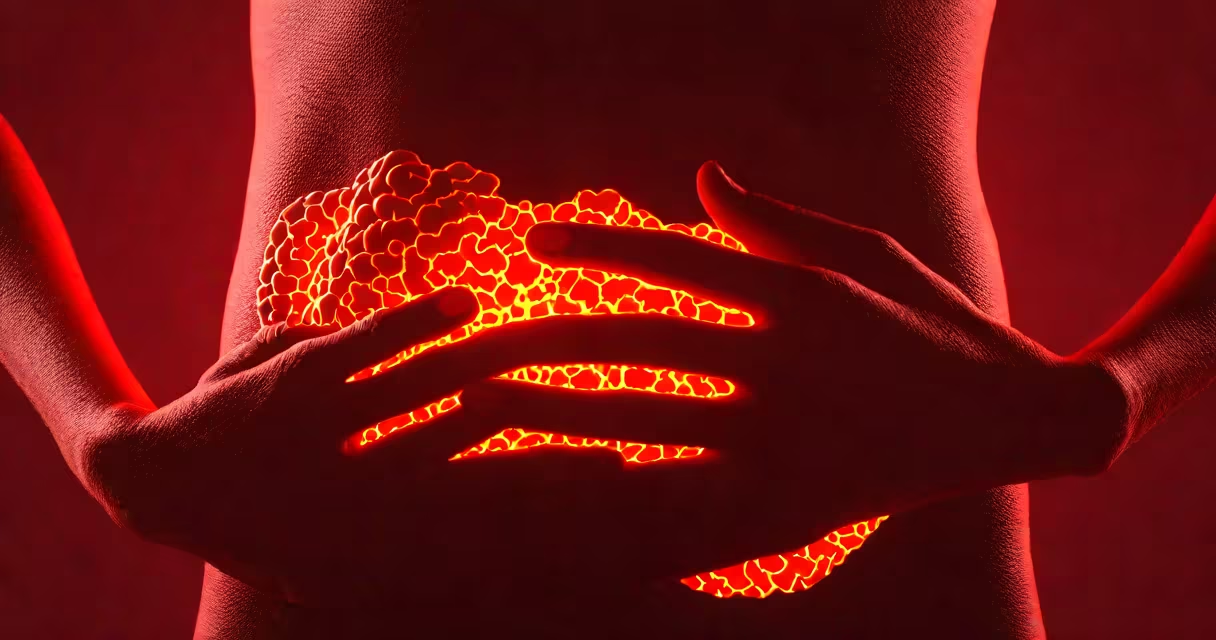
A burning sensation in the stomach caused by acid occurs when gastric acid flows backward into the esophagus, irritating the lining and triggering pain behind the breastbone or in the upper abdomen. This condition is commonly known as heartburn and is often linked to diet, posture, or underlying gastrointestinal disorders.
The sensation typically begins shortly after eating and may worsen when lying down or bending over. It results from the lower esophageal sphincter (LES)-a ring of muscle at the junction of the esophagus and stomach-failing to close properly, allowing acidic digestive juices to rise. The esophagus lacks the protective mucous layer found in the stomach, making it vulnerable to irritation and inflammation.
According to the American College of Gastroenterology, about 60 million Americans experience heartburn at least once a month, and 15 million have it daily. Persistent symptoms may indicate gastroesophageal reflux disease (GERD), a chronic form requiring medical evaluation and management.
Gastric acid is produced in the stomach to break down food, primarily through hydrochloric acid and enzymes like pepsin. Normally, the LES remains closed except during swallowing, preventing acid from moving upward. When the sphincter relaxes inappropriately or becomes weakened, acid escapes into the esophagus, leading to a burning feeling.
Triggers include large meals, fatty or spicy foods, alcohol, caffeine, smoking, and stress. Obesity increases abdominal pressure, pushing stomach contents upward. Certain medications-such as aspirin, ibuprofen, and some blood pressure drugs-can also reduce LES tone or irritate the stomach lining.
For example, a 42-year-old office worker reported a sharp burning sensation after a late-night meal of fried chicken and soda. Symptoms began 30 minutes after eating and lasted over two hours while lying down. After switching to smaller, low-fat meals and avoiding late dinners, the episodes decreased within a week.
Burning sensations differ based on location and cause. While acid reflux causes a central chest burn, other conditions produce similar feelings in different areas:
| Type | Location | Common Causes | Distinctive Features |
|---|---|---|---|
| Acid reflux | Chest, upper abdomen | Overeating, hiatal hernia, stress | Burning behind sternum, often after meals |
| Peptic ulcer | Upper middle abdomen | H. pylori infection, NSAID use | Pain may ease with food or antacids |
| Functional dyspepsia | Epigastric region | Unknown origin, possibly motility issues | No structural damage; persistent discomfort |
One key distinction: acid reflux pain usually improves when standing or sitting upright. Peptic ulcers may worsen between meals and improve with eating. Functional dyspepsia often lacks clear triggers and responds poorly to standard antacids.
Not all burning sensations are due to acid. A 2021 study in Alimentary Pharmacology & Therapeutics found that nearly 30% of patients reporting heartburn had normal acid levels during pH monitoring, suggesting non-acid mechanisms such as visceral hypersensitivity or impaired esophageal clearance.
Many people assume that all stomach burning is caused by excess acid. In reality, the issue often lies in the control of acid movement, not acid volume. Over-the-counter antacids may relieve symptoms temporarily but don't address root causes like LES dysfunction or delayed gastric emptying.
Another misconception is that heartburn is harmless. Chronic exposure to acid can lead to Barrett's esophagus-a precancerous condition-where the esophageal lining changes to resemble intestinal tissue. The National Institute of Diabetes and Digestive and Kidney Diseases notes that Barrett's esophagus affects about 1 in 100 adults with long-standing GERD.
I once observed a patient who believed her nightly burning was due to "too much acid." She doubled her antacid dose, which led to rebound hyperacidity and worsening symptoms. After switching to lifestyle modifications-elevating the bed's head, avoiding late meals, and reducing alcohol-her symptoms resolved within four weeks.
Occasional burning sensations are common and manageable. However, consult a healthcare provider if symptoms occur more than twice a week, interfere with sleep, or are accompanied by weight loss, difficulty swallowing, or black stools (a sign of bleeding).
Chronic cases may require endoscopy to rule out ulcers, strictures, or early cancer. Treatment options include proton pump inhibitors (PPIs), H2 blockers, and surgical procedures like fundoplication in severe cases.
For those experiencing frequent episodes, understanding the underlying causes is essential. Some individuals confuse stomach burning with gas-related discomfort. While gas can cause bloating and pressure, it rarely produces a true burning sensation unless combined with acid exposure. Gas and acid together can mimic severe heartburn, but addressing both factors leads to better outcomes.
Acid stomach burning sensation is not just a symptom-it's a signal. Identifying triggers, adjusting habits, and seeking timely care prevent complications. Persistent burning should not be ignored, especially when it disrupts daily life or fails to respond to simple remedies.