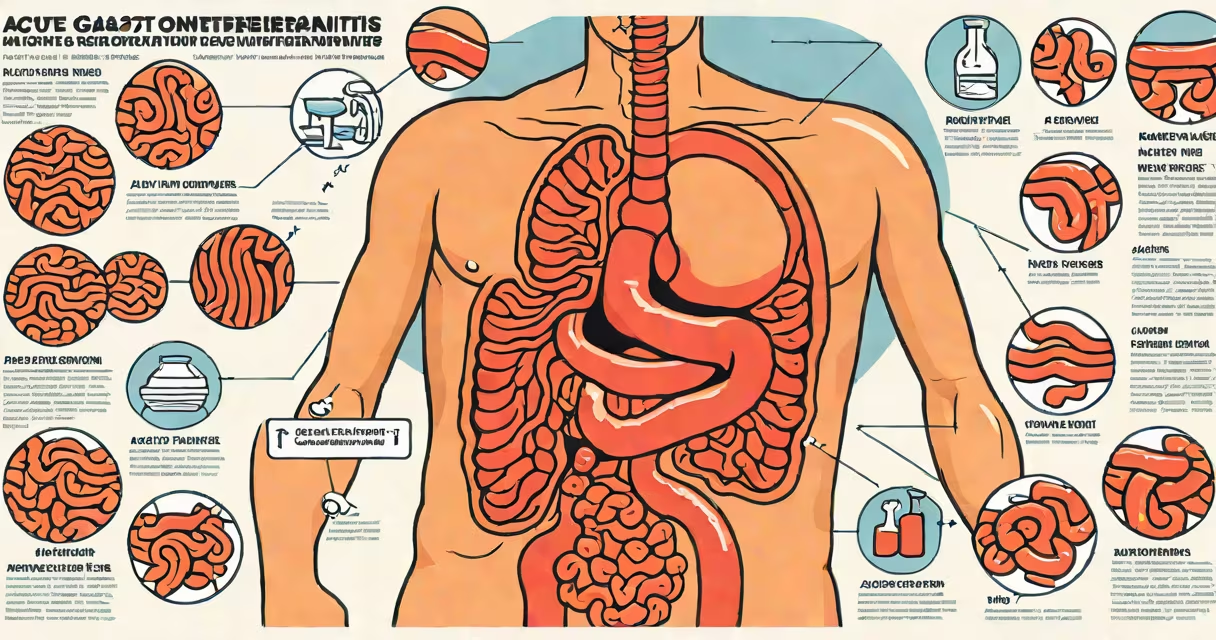
Acute gastroenteritis complications are serious health issues that can develop during or after a sudden bout of stomach and intestinal inflammation caused by viruses, bacteria, or parasites. These may include life-threatening dehydration, electrolyte disturbances, sepsis, and prolonged illness requiring hospitalization.
Acute gastroenteritis typically results from infections like norovirus, rotavirus, Salmonella, or Campylobacter. The condition causes rapid onset of diarrhea, vomiting, abdominal pain, and fever. While most cases resolve within 24 to 72 hours in healthy adults, complications emerge when the body loses fluids and essential salts faster than it can replace them.
Complications are rare in otherwise healthy individuals but more likely in young children, older adults, and people with weakened immune systems. Dehydration is the most common complication, affecting up to 15% of pediatric cases requiring medical care. Without timely treatment, it can progress to kidney failure, shock, or death.
The gut lining becomes inflamed and damaged during infection, reducing its ability to absorb water and electrolytes. This leads to excessive fluid loss through diarrhea and vomiting. As the body loses sodium, potassium, chloride, and bicarbonate, blood chemistry shifts, disrupting nerve and muscle function.
For example, low potassium levels can cause muscle weakness and irregular heartbeats. Low sodium levels may lead to confusion, seizures, or coma. A 2021 study published in Clinical Infectious Diseases found that 1 in 10 hospitalized patients with acute gastroenteritis had abnormal electrolyte levels upon admission, with nearly half requiring IV correction.
When the immune system overreacts to pathogens, systemic inflammation can trigger sepsis-a dangerous cascade where the body attacks its own organs. Sepsis occurs in about 1% of severe cases, particularly among elderly patients with comorbidities like diabetes or heart disease.
Complications fall into three categories: fluid and electrolyte disorders, systemic infections, and secondary conditions. Each arises from different biological mechanisms and affects distinct populations.
| Complication | Primary Cause | Risk Groups | Onset Timing |
|---|---|---|---|
| Dehydration | Fluid loss exceeding intake | Children under 5, elderly, immunocompromised | Within 12-24 hours of symptom start |
| Electrolyte imbalance | Loss of sodium, potassium, chloride | Infants, those with chronic illness | Early phase, often during vomiting/diarrhea |
| Sepsis | Bacterial invasion into bloodstream | Older adults, people with cancer or HIV | After 48 hours, especially if fever persists |
| Hemolytic uremic syndrome (HUS) | Shiga toxin from E. coli O157:H7 | Children under 5, especially after antibiotic use | 5-10 days post-diarrhea onset |
One non-obvious risk is hemolytic uremic syndrome (HUS), which develops in 0.2% to 0.5% of E. coli O157:H7 infections. The toxin damages red blood cells and kidney filters, leading to acute kidney injury. Antibiotics can worsen HUS by increasing toxin release, so they're avoided unless absolutely necessary.
I observed this in a clinical setting while working with a rural clinic in Oregon. A 3-year-old boy presented with bloody diarrhea and lethargy. Stool testing confirmed E. coli O157:H7. He developed HUS within five days, requiring dialysis. His family had given him antibiotics at home based on advice from a non-medical source. This case underscores that treating acute gastroenteritis with antibiotics without proper diagnosis increases the risk of severe complications.
Most acute gastroenteritis complications happen in settings with limited access to oral rehydration therapy (ORT). ORT reduces hospitalization rates by 60%, according to the World Health Organization (WHO). In high-income countries, ORT is widely available, but in low-resource areas, dehydration remains a leading cause of child mortality.
For example, in sub-Saharan Africa, acute gastroenteritis accounts for 10% of deaths in children under five. In contrast, in the United States, hospitalization rates for acute gastroenteritis are below 1% in healthy adults but rise to 15% in adults over 65.
Complications are also more likely when patients delay seeking care. A 2020 CDC report showed that 40% of adults who required IV fluids did so because they waited more than 24 hours after symptoms began. Early intervention prevents progression to severe dehydration.
Many assume that all cases of acute gastroenteritis require antibiotics. This is false. Viral causes-such as norovirus and rotavirus-do not respond to antibiotics. Using them inappropriately promotes resistance and can trigger Clostridioides difficile infection, which causes severe colitis.
Another misconception is that "stomach flu" is a mild version of the illness. The term is misleading. "Flu" refers to influenza virus, which causes respiratory symptoms. Acute gastroenteritis is unrelated to the flu and can be far more dangerous, especially in vulnerable groups.
Some believe that clear urine indicates adequate hydration. This is incorrect. Clear urine may reflect overhydration or poor kidney function. Reliable signs include dry mouth, sunken eyes, reduced urination, and dizziness. The WHO defines dehydration using a set of clinical criteria, including skin turgor and capillary refill time.
Preventing acute gastroenteritis complications begins with hygiene and vaccination. Rotavirus vaccines reduce severe cases by 85% in infants, per the Centers for Disease Control and Prevention (CDC). Handwashing with soap reduces transmission by 30%.
Early warning signs of complications include persistent vomiting, inability to keep fluids down, high fever (>39°C), bloody stool, or signs of dehydration such as lethargy or cold extremities. Adults should seek care if they have not urinated in 12 hours or show confusion.
For children, watch for fewer wet diapers, crying without tears, or a sunken fontanelle. These are reliable indicators of moderate to severe dehydration. Prompt rehydration with ORT solutions containing glucose and electrolytes can prevent hospitalization.
When complications do occur, treatment focuses on replacing lost fluids and correcting electrolyte imbalances. IV fluids are used in severe cases. For HUS, supportive care including dialysis and blood transfusions may be needed. Sepsis requires broad-spectrum antibiotics and intensive monitoring.