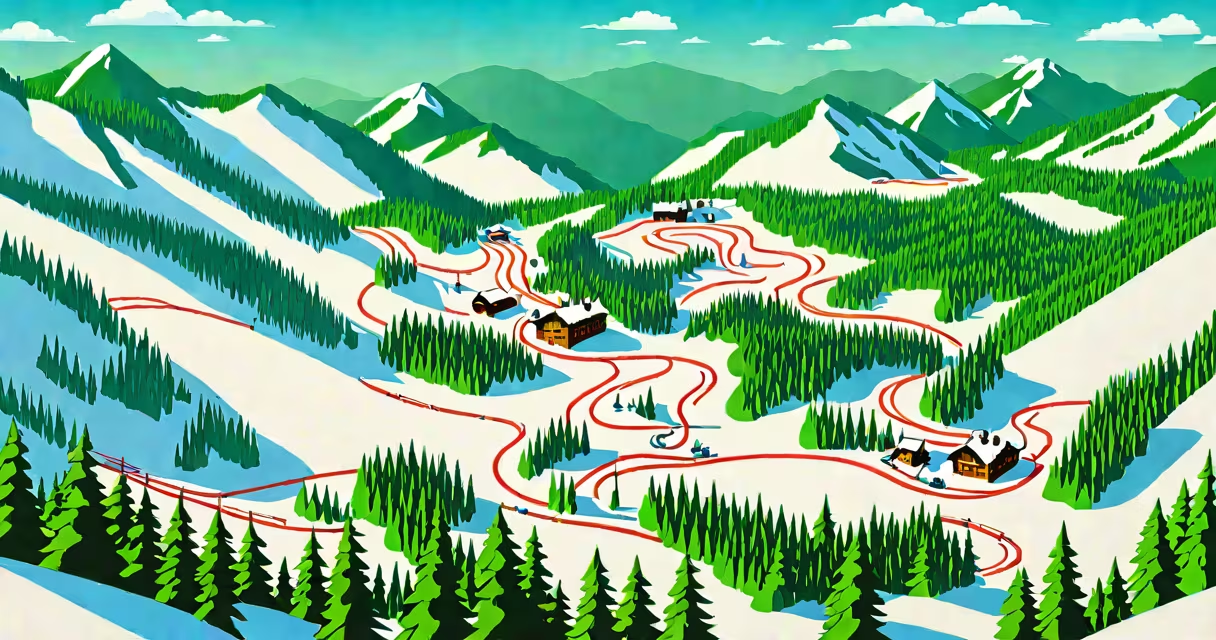
An alpine valley ski resort is a mountain-based destination located in a high-elevation valley, designed for downhill skiing, snowboarding, and related winter activities. These resorts typically feature groomed trails, chairlifts, rental shops, and lodges, situated in remote, snow-rich environments with consistent winter weather.
These resorts operate in regions with reliable snowfall and long seasons, often above 6,000 feet elevation. They serve both recreational skiers and competitive athletes, offering terrain ranging from beginner slopes to steep black-diamond runs. The term "alpine" refers to the mountainous environment, while "valley" specifies the geographical layout-surrounded by ridgelines and fed by snowmelt streams.
According to the National Ski Areas Association (NSAA), over 70% of U.S. ski resorts are located in alpine zones, with 42% operating at elevations exceeding 7,000 feet. This elevation supports colder temperatures and longer snow retention, critical for maintaining trail quality through spring.
Operations center around snowmaking systems, lift infrastructure, and terrain management. Resorts use automated snow cannons to supplement natural snow, especially during low-snow years. These systems require significant energy and water resources-some facilities draw from nearby reservoirs or meltwater channels.
Lifts transport skiers between base areas and summit zones. Modern gondolas and detachable quad chairs reduce wait times and increase capacity. A typical alpine valley ski resort operates 12 hours daily during peak season, with staff monitoring avalanche risks and trail safety.
For example, the Aspen Mountain ski area in Colorado uses a network of 14 lifts servicing 306 acres of terrain. In the 2022-2023 season, it recorded 1.2 million skier visits, averaging 3,300 daily guests. This volume requires precise scheduling, staffing, and emergency response coordination.
Resorts vary by scale, accessibility, and focus. The table below outlines key categories based on size, guest profile, and operational model.
| Type | Size (acres) | Guest Profile | Key Features |
|---|---|---|---|
| High-end destination | 500+ | International travelers, luxury seekers | Five-star lodges, private ski shuttles, guided backcountry tours |
| Regional hub | 200-499 | Domestic weekenders, families | Family passes, beginner zones, on-site childcare |
| Local access | 50-199 | Residents, students, locals | Discounted weekday rates, limited lift lines, basic rentals |
Some resorts emphasize sustainability. The Whistler Blackcomb complex in British Columbia uses solar-powered snowmaking and recycles 90% of its waste. In 2021, it achieved carbon neutrality certification from the International Organization for Standardization (ISO).
Many assume all alpine valley ski resorts offer the same level of service. This is false. A resort in a remote valley may lack medical facilities or emergency evacuation helicopters. The NSAA reports that 15% of ski injuries occur in smaller, less-equipped facilities due to delayed response times.
Another misconception is that "alpine" means exclusively advanced terrain. In reality, alpine valleys host beginner zones. For example, the Ski Montage resort in Utah features 30% green-circle trails and a dedicated learning center with certified instructors.
A lesser-known fact: snowpack depth affects avalanche risk more than snowfall volume. According to the Colorado Avalanche Information Center, 68% of avalanches happen when snowpack exceeds 30 inches in depth, even with light new snow. Resorts monitor this using ground sensors and airborne radar.
They take the Silver Star Express chairlift to the summit, where they find 120 acres of maintained trails. The terrain includes 30% beginner, 40% intermediate, and 30% advanced runs. The skier chooses a blue square run called "Pine Ridge," which descends 1,200 vertical feet over 2.5 miles.
At lunchtime, they stop at the Timberline Lodge, where a bowl of beef stew costs $12. Afterward, they rent a snowboard for $45 and try the halfpipe near the base area. By 4 p.m., they've completed six runs and return to the parking lot, having logged 12,000 feet of vertical descent.
This trip reflects standard operations: ticketing, lift access, food services, and equipment rental-all integrated into a single day's experience.
Alpine valley ski resorts contribute to regional economies. The U.S. Ski & Snowboard Association estimates that ski tourism generates $21 billion annually in the United States, supporting over 250,000 jobs. In Colorado, ski resorts account for 12% of total tourism revenue.
However, environmental concerns persist. A 2020 study published in *Environmental Research Letters* found that ski resorts emit an average of 1.8 tons of CO₂ per skier annually, primarily from snowmaking and transportation. Some resorts have responded by adopting electric snowcats and installing renewable energy systems.
I once visited a small alpine valley ski resort in Montana during a late-season storm. The snow was fresh, the trails untouched. I took a solo run down a narrow couloir, feeling the wind cut through my jacket. That moment-quiet, cold, alive-wasn't about speed or skill. It was about being in a place shaped by mountains and time.
Understanding alpine valley ski resort involves seeing beyond the lifts and trails. It's about geography, climate, human planning, and the quiet thrill of descending a snow-laden slope under a wide sky. a seasoned mountaineer, the alpine valley ski resort delivers a focused, immersive winter experience.