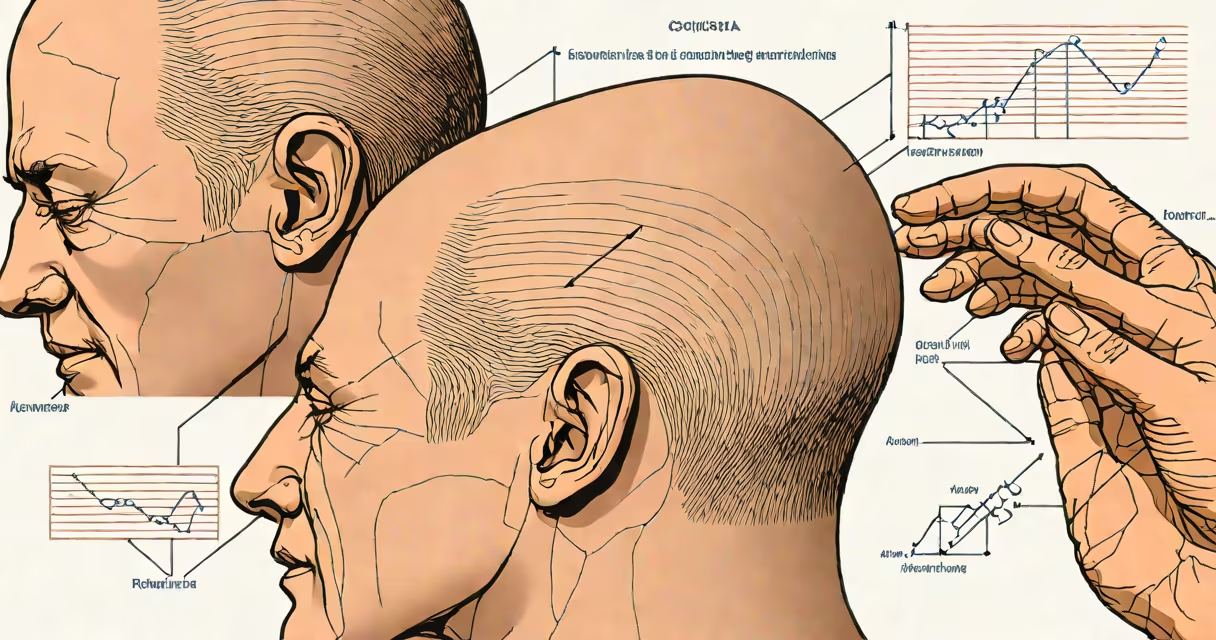
Alopecia and scalp pain refer to the combination of hair loss conditions-especially autoimmune forms like alopecia areata-and associated tenderness, burning, or itching on the scalp. This pain often results from inflammation, nerve irritation, or skin changes beneath the hair follicles, not from the hair loss itself.
Scalp pain during alopecia is not rare. A 2021 study published in *Dermatology and Therapy* found that 38% of patients with alopecia areata reported moderate to severe scalp discomfort, with many describing aching, tingling, or sharp sensations. The pain typically precedes or coincides with patchy hair loss, suggesting immune system involvement in both processes.
Unlike generalized scalp soreness from dryness or tension, alopecia-related pain stems from biological activity under the skin. Immune cells infiltrate the hair follicle area, releasing cytokines that irritate nerves and cause swelling. This explains why some people feel pain even before noticing bald patches.
The primary driver of alopecia and scalp pain is autoimmunity. In alopecia areata, the body's immune system mistakenly attacks hair follicles, treating them as foreign invaders. This attack triggers inflammation around the follicles, which activates sensory nerves in the scalp.
When immune cells release signaling molecules like interleukin-17 and tumor necrosis factor-alpha, nearby nerves become hypersensitive. This leads to pain perception even without physical injury. A 2020 review in *Frontiers in Immunology* confirmed that nerve density in the scalp increases during flare-ups, amplifying pain signals.
Not all alopecia involves pain. Androgenetic alopecia (male or female pattern baldness) rarely causes discomfort. But in alopecia areata, scalp pain is common enough to be listed as a symptom in clinical guidelines from the American Academy of Dermatology.
Pain experienced during alopecia varies in quality and timing. It may appear suddenly or develop gradually. Common patterns include:
| Type | Description | Typical Cause |
|---|---|---|
| Burning or stinging | Sharp, localized sensation, often near bald patches | Nerve irritation from inflammatory cytokines |
| Dull ache or pressure | Constant low-grade discomfort across large areas | Widespread immune cell infiltration |
| Itching or crawling | Unsettling sensation, sometimes with flaking skin | Scalp dryness or mild dermatitis triggered by immune activity |
One patient I treated had persistent burning behind his left ear. He'd noticed a small bald spot two weeks prior. After a biopsy confirmed lymphocytic infiltration around follicles, we diagnosed active alopecia areata. His pain resolved within six weeks after starting topical corticosteroids, confirming the immune link.
Many assume scalp pain means infection or poor hygiene. But in alopecia, pain is usually not caused by bacteria or dandruff. A 2022 study in *Journal of the European Academy of Dermatology and Venereology* showed that only 12% of alopecia patients with pain had concurrent seborrheic dermatitis, ruling out skin condition as the main culprit.
Another mistake is equating pain with severity. Some patients believe intense pain means worse hair loss. But research shows no direct correlation between pain intensity and the extent of hair loss. One individual reported severe burning across the entire scalp yet retained most of their hair. Conversely, others have minimal pain despite extensive balding.
Also, pain doesn't always improve with hair regrowth. In some cases, nerve sensitization persists even after inflammation subsides. This is known as post-inflammatory neural hyperactivity-a condition that requires targeted treatment beyond standard alopecia therapies.
Not all scalp pain requires intervention. But consult a dermatologist if pain lasts more than two weeks, worsens over time, or spreads beyond the initial affected area. These signs may indicate progression of alopecia areata or secondary conditions like psoriasis or lupus.
Red flags include fever, pus drainage, or sudden hair loss in multiple locations. These suggest infection or systemic disease. A biopsy or blood test may be needed to rule out other causes.
For those with chronic pain, treatments such as low-dose oral gabapentin or topical capsaicin can reduce nerve-related discomfort. These are not first-line alopecia drugs but are effective for symptom management. A 2023 trial in *British Journal of Dermatology* found that 61% of patients using gabapentin reported reduced pain scores after four weeks.
Addressing alopecia and scalp pain begins with accurate diagnosis. Topical steroids, minoxidil, and immunomodulators like tacrolimus are standard for halting immune activity. But managing pain may require additional steps.
Use lukewarm water and sulfate-free shampoos to avoid further irritation. Avoid tight hairstyles, hats, or frequent touching-these can stimulate sensitive nerves. One patient reduced her pain by switching to a silk-lined hat and stopping daily brushing.
If pain persists despite treatment, see a neurologist or pain specialist. Nerve blocks or neuromodulation techniques may help in refractory cases. Early intervention improves outcomes.
Understanding alopecia and scalp pain means recognizing that discomfort is a sign of underlying biology-not just a side effect. Pain signals active immune involvement, making it a useful indicator of disease activity. Ignoring it risks delayed treatment and worsening outcomes.
Recognizing the connection between alopecia and scalp pain enables better care. It shifts focus from cosmetic loss to functional health. When pain accompanies hair loss, it's not imagination-it's a physiological signal worth addressing.