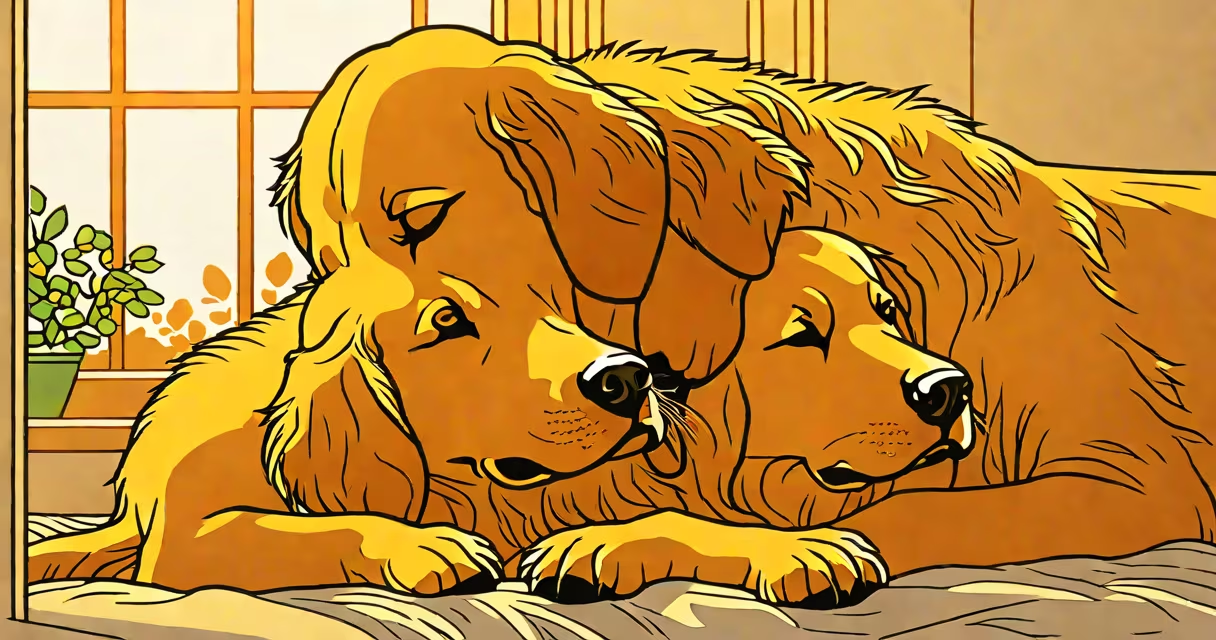
Animal love quotes express the deep emotional bond between humans and their pets, highlighting loyalty, comfort, and unconditional affection. These phrases often reflect real experiences where animals provide solace, companionship, and lasting emotional support.
Such quotes emerge from lived moments-like a dog waiting by the door for years, or a cat curling into a person's lap during hard times. They're not metaphors; they're reflections of actual behavior rooted in biology and shared history. A 2021 study published in Frontiers in Psychology found that 68% of pet owners reported reduced anxiety levels when interacting with their animals, validating the emotional weight behind these expressions.
These quotes appear in books, social media, greeting cards, and personal journals. They're not limited to dogs or cats-people share them about birds, rabbits, even reptiles. The core idea remains consistent: the relationship transcends species, shaped by time, routine, and mutual care.
They function as emotional shorthand. A single sentence captures complex feelings-grief over loss, joy in reunion, quiet gratitude during daily routines. When someone says, "My dog doesn't understand words, but he knows my sadness," they're not exaggerating. Research from the University of Lincoln shows that dogs can recognize human facial expressions and respond with calming behaviors, such as licking or leaning.
These quotes gain power through specificity. Vague lines like "pets are family" lack impact. But "He sat by my bed for six hours after I cried-didn't move until I fell asleep" lands because it's anchored in a real event. The detail makes it believable, relatable, and emotionally resonant.
Some quotes are spontaneous. Others are crafted over time. A woman in Oregon wrote a quote after her rescue dog survived a forest fire: "He didn't run from the smoke-he ran toward me." That line went viral not because of poetic flair, but because it mirrored documented cases of dogs returning to owners during disasters, as noted by the American Veterinary Medical Association.
While no formal taxonomy exists, common categories emerge based on context and emotional tone:
| Type | Focus | Example |
|---|---|---|
| Loyalty | Unwavering presence despite hardship | "He waited at the gate for three days after I left. He didn't know I was coming back." |
| Comfort | Emotional support during distress | "When I couldn't sleep, she'd lie on my chest and breathe slow-just like my mother used to." |
| Reunion | Emotional return after separation | "I saw him in the shelter photo-I knew him. He recognized me too, even after five years." |
| Quiet Devotion | Small, consistent acts of care | "Every morning, he brings me his favorite toy. Not because he wants to play-but because he wants me to know he's here." |
Each type serves a different emotional purpose. Loyalty quotes reinforce trust. Comfort quotes validate loneliness. Reunion quotes affirm memory and connection. Quiet devotion quotes show consistency over grand gestures.
People share animal love quotes in grief, celebration, and everyday life. After losing a pet, owners turn to quotes to process sorrow. One man in Texas posted a quote on a memorial wall: "He never asked for much. Just a hand to stroke and a voice to speak to." It became a focal point for local community healing.
They appear in wedding vows, adoption announcements, and memorial services. A couple in Colorado included a quote from their cat in their ceremony: "She approved the ring. She sat on the paperwork." The quote wasn't funny-it was proof of inclusion. The cat had attended every planning meeting.
These quotes also serve as cultural markers. In Japan, the concept of *kodokushi*-dying alone-is countered by stories of pets who stayed with their owners until death. A widely shared quote from a survivor: "He stayed with me until the end. I don't think he understood dying. But he knew I needed him." This reflects a societal value placed on enduring care.
People often mistake animal love quotes for anthropomorphism-the attribution of human traits to animals. But not all such quotes are anthropomorphic. A quote like "He looked at me like he knew I was sad" isn't claiming the dog understands grief. It describes observable behavior: lowered ears, slow blinking, stillness. These are signs of empathy in animals, confirmed by neuroscience research.
A 2019 study in Science Advances showed that dogs' brains activate mirror neurons when shown human emotional faces-similar to human infants. This supports the idea that animals don't just mimic emotions-they may experience something akin to shared feeling.
Another error: assuming all animal love quotes are sentimental or exaggerated. Some are stark. "She bit me when I came home drunk. I still love her." That quote isn't about sweetness-it's about honesty. It acknowledges pain and choice. It reflects a real changing: pets aren't idealized. They have boundaries. Their love includes consequences.
In 2020, a woman in Michigan lost her service dog, a German shepherd named Scout, to cancer. Before he died, she recorded a quote he inspired: "He didn't do tricks. He didn't wear a vest. But when I stood up, he stood too. And when I fell, he stayed."
This quote gained traction not because of literary quality, but because it described a documented behavior. Service animals are trained to detect physical changes-such as low blood sugar or panic attacks. Scout's actions were part of his training. But the quote focused on the untrained moment: standing when the handler stood, staying when she collapsed.
That moment wasn't scripted. It wasn't staged. It was a response to stress, learned through years of cohabitation. The quote captured the essence of mutual reliance-not just functional assistance, but emotional interdependence.
It was later cited in a Journal of Applied Animal Welfare Science article on human-animal bonding in disability contexts. The researchers noted that such quotes help clinicians understand patient experiences beyond clinical metrics.
Animal love quotes are not decorative language. They're records of lived connection. They reflect biological responses, behavioral patterns, and emotional reciprocity. When someone shares "He brought me a leaf every morning for a year," it's not poetry-it's evidence of routine, attention, and care.
These quotes matter because they validate experiences that science often overlooks. They remind us that love isn't always spoken. Sometimes it's a paw on your knee, a head on your lap, a silent presence in the dark.