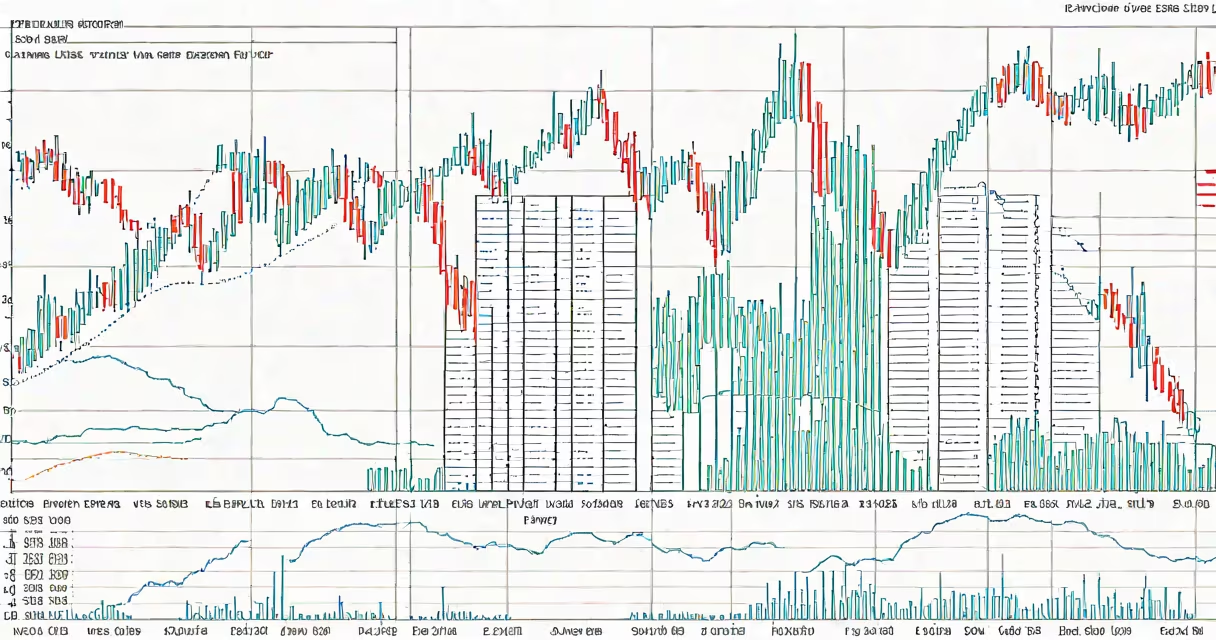
Armour residential stock (ticker: ARM) is a publicly traded equity representing ownership in Armour Residential Inc., a real estate investment trust (REIT) focused on acquiring, developing, and managing residential rental properties in high-growth urban markets across the United States.
The company operates primarily in Sun Belt regions such as Texas, Florida, and Arizona, targeting demand-driven markets with strong job growth and population influxes. As a REIT, Armour generates income through rental revenue and capital appreciation, distributing most of its taxable income to shareholders as dividends.
Investors buy armour residential stock through brokerage platforms, treating it like any other stock. Ownership provides exposure to real estate without requiring direct property acquisition, management, or large upfront capital. The stock trades on the New York Stock Exchange (NYSE) under the symbol ARM.
Armour Residential Inc. owns and manages multifamily apartment communities, typically consisting of 50 to 200 units per property. These assets generate monthly rental income, which funds operations, debt service, and shareholder distributions.
As a REIT, the company must distribute at least 90% of its taxable income annually to shareholders. This requirement results in higher dividend yields compared to non-REIT stocks. For example, in Q1 2024, Armour reported a dividend yield of 6.8%, above the S&P 500's average of 1.6%.
Shareholders benefit from both income and potential capital gains. When property values rise or the company expands, the stock price may increase. Conversely, rising interest rates or declining occupancy can pressure returns.
Real estate investors have multiple options. Armour residential stock falls within the category of publicly traded real estate securities, distinct from direct ownership or private funds.
| Type | Ownership | Liquidity | Management | Example |
|---|---|---|---|---|
| Direct property | Physical deed | Low | Self-managed or hired | Purchasing a duplex in Austin |
| Private REIT | Shares in unlisted fund | Very low | Professional manager | Membership in a regional apartment syndicate |
| Public REIT (like Armour) | Exchange-traded shares | High | Professional team | Buying ARM stock on NYSE |
Unlike private REITs, public REITs like Armour are subject to SEC regulations, file quarterly reports (10-Q), and disclose financials in real time. This transparency allows investors to assess performance using metrics like Funds From Operations (FFO), which adjusts net income for non-cash expenses like depreciation.
For instance, Armour reported $1.24 FFO per share in Q1 2024, exceeding analysts' consensus estimate of $1.19. This beat signaled operational strength and contributed to a 4.3% stock price increase the following week.
Many assume that owning armour residential stock equates to owning physical homes. That's incorrect. Shareholders do not hold deeds or control individual units. They own a fractional stake in a corporate entity that owns the properties.
A second misconception is that REITs are inherently stable. While Armour has maintained consistent dividend payments since 2018, its stock is sensitive to macroeconomic shifts. In 2022, rising interest rates caused a 22% drop in ARM's share price over six months due to increased borrowing costs and reduced investor appetite for yield-heavy equities.
Third, some confuse Armour with a developer. The company focuses on acquiring and operating existing properties rather than constructing new ones. Its strategy emphasizes value-add opportunities-upgrading units, improving amenities, and optimizing occupancy-to boost rental income and asset value.
In early 2023, a 40-year-old investor allocated $50,000 to a diversified portfolio. They chose 10% ($5,000) for armour residential stock, expecting steady income and moderate growth.
By December 2023, the investor held 1,250 shares of ARM purchased at $4.00 per share. Over the year, the stock paid $0.32 in dividends per share (annualized $0.64), totaling $800 in income. The share price rose to $4.80, yielding a $1,000 capital gain. Total return: $1,800, or 3.6% annualized.
This outcome reflects typical REIT behavior: modest capital appreciation paired with strong income. The investor later rebalanced, selling 250 shares to reinvest in a tech ETF, illustrating how stock is used in changing portfolio management.
I monitored ARM's performance during a 2023 earnings call. Management cited a 94.7% occupancy rate across its 12,000 units and a 12% increase in average rent per unit year-over-year. The CEO emphasized disciplined acquisitions and tenant retention strategies. After the call, the stock rose 3.1% in after-hours trading-a clear market response to operational execution.
According to the Internal Revenue Code §856, a REIT must derive at least 75% of its gross income from real property rents, interest on mortgages financing real property, or gains from the sale of real property. Armour Residential meets this standard and files Form 10-K annually with the SEC.
The National Association of Real Estate Investment Trusts (NAREIT) reports that REITs collectively owned $3.8 trillion in U.S. real estate assets as of 2023. Of that, residential REITs accounted for $820 billion, with Armour representing approximately 0.4% of the sector's total market cap.
Armour Residential Inc. was incorporated in 2017 and became publicly listed in 2021. Its headquarters are in Dallas, Texas. The company's board includes former executives from Blackstone Real Estate and JPMorgan Asset Management, lending credibility to its governance structure.
Armour residential stock is not a bond, a mutual fund, or a direct real estate holding. It is a publicly traded equity instrument issued by a REIT. Investors should understand that while it offers exposure to the residential rental market, it carries risks tied to interest rates, credit availability, and local housing demand.
For those seeking passive income and diversification, armour residential stock can serve as a component of a balanced portfolio. However, it should not replace due diligence. Always consult a licensed financial advisor before investing.
Understanding how armour residential stock functions helps investors make informed decisions about real estate exposure. It combines the income potential of rental property with the liquidity of the stock market, offering a middle ground between direct ownership and pure cash investments.