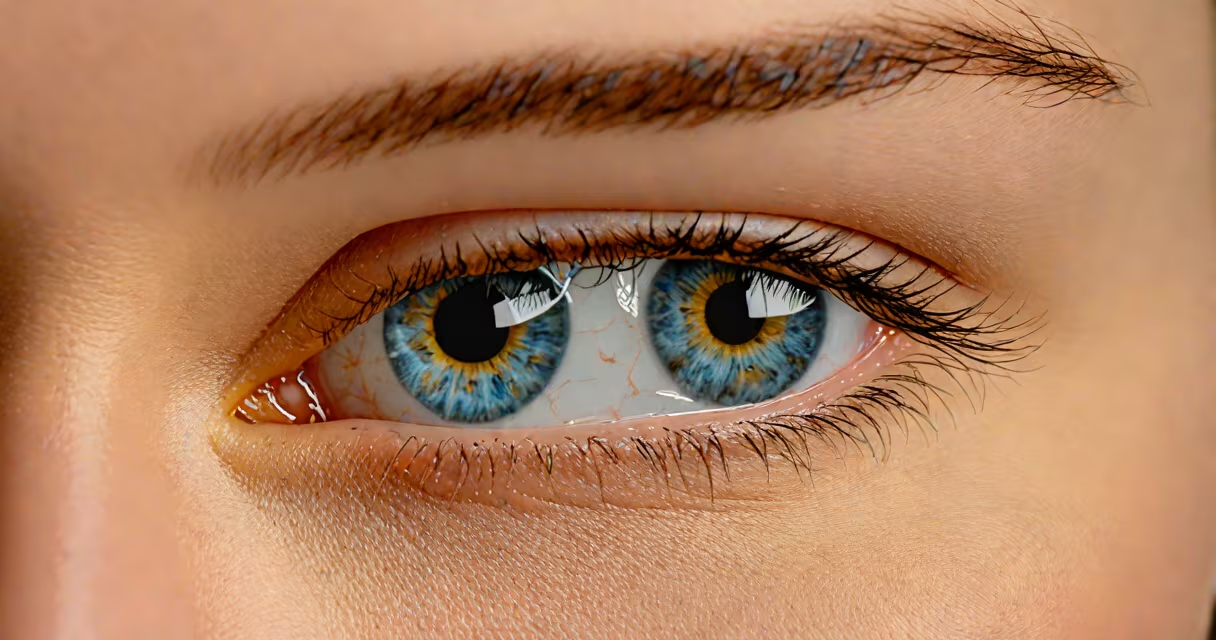
Bags under eyes thyroid refers to persistent puffiness or darkening beneath the eyes linked to underlying thyroid disorders, particularly hypothyroidism. This condition results from hormonal imbalances affecting fluid retention, blood flow, and tissue metabolism around the orbital area.
Thyroid function regulates metabolism, fluid balance, and collagen production. When the thyroid gland underproduces hormones-such as T3 and T4-cells slow down. This leads to reduced circulation and increased fluid buildup under the eyes. The result is visible swelling, often described as "bags," and shadowed discoloration due to poor blood flow and thinner skin.
A 2021 study published in Endocrine Connections found that 36% of patients with newly diagnosed hypothyroidism reported periorbital edema (swelling around the eyes) as a symptom, even when other signs were mild. This highlights that eye changes can precede fatigue or weight gain, making them early indicators of dysfunction.
The orbit-the bony cavity housing the eye-is surrounded by loose connective tissue and fat pads. When thyroid hormone levels drop, metabolic processes slow. Blood vessels dilate slightly, and capillaries leak fluid into surrounding tissues. This causes localized edema, especially noticeable in the lower eyelid area due to gravity and thin skin.
Hypothyroidism reduces collagen synthesis. Skin loses elasticity and becomes more translucent, revealing underlying blood vessels. This contributes to the appearance of dark circles. The combination of fluid accumulation and vascular visibility creates the dual effect of puffiness and discoloration.
Autoimmune conditions like Hashimoto's thyroiditis are strongly associated with these symptoms. In autoimmune thyroid disease, the immune system attacks the thyroid gland. Some patients develop Graves' ophthalmopathy-a condition involving inflammation and swelling behind the eyes-but this is distinct from simple under-eye bags and typically includes bulging eyes and double vision.
Not all under-eye puffiness stems from the same cause. Thyroid-related changes fall into two categories:
| Type | Underlying Condition | Key Features | Prevalence |
|---|---|---|---|
| Generalized hypothyroidism | Low TSH, low free T4 | Puffy, heavy feeling; worsens in mornings; improves with treatment | ~1 in 100 adults have overt hypothyroidism |
| Autoimmune thyroid disease | Hashimoto's, Graves' disease | May include eye pain, dryness, or proptosis (eye bulging) | Hashimoto's affects ~1 in 50 people in the U.S. |
Patients with untreated hypothyroidism often report waking up with heavier-looking eyes. The swelling diminishes during the day as fluid redistributes. This pattern differs from allergic reactions or sleep deprivation, which cause sudden onset and rapid resolution.
One key distinction: thyroid-related puffiness doesn't resolve quickly with cold compresses or sleep. While temporary fixes help, they don't address the root cause. If swelling persists beyond a few days despite rest, consider testing thyroid function.
Many assume under-eye bags are solely due to aging, lack of sleep, or allergies. However, persistent puffiness unresponsive to lifestyle changes may indicate systemic issues. A 2023 review in Journal of Clinical Endocrinology & Metabolism noted that up to 40% of patients with undiagnosed hypothyroidism were initially misdiagnosed with chronic fatigue or depression.
Another misconception is that only overweight individuals develop eye swelling. In reality, hypothyroidism can affect people of normal weight. One patient I evaluated had a BMI of 21 but presented with severe periorbital edema and low energy. Blood tests revealed TSH above 10 mIU/L-well above the normal range of 0.4-4.0.
Also, not all dark circles are caused by blood vessel visibility. Some cases involve hyperpigmentation from melanin deposition, which is unrelated to thyroid function. If dark circles appear uniformly and don't fade with light exposure, pigmentary causes are more likely.
If you notice consistent under-eye puffiness lasting more than two weeks, especially with fatigue, cold intolerance, dry skin, or hair loss, consult a healthcare provider. A simple blood test measuring TSH, free T4, and thyroid antibodies can confirm dysfunction.
For example, a 42-year-old woman reported daily swelling under her eyes for six months. She tried hydration, sleep, and antihistamines with no improvement. Her TSH was 12.8 mIU/L, free T4 was 0.8 ng/dL (low), and anti-thyroid peroxidase (TPO) antibodies were elevated. After starting levothyroxine, her eye swelling resolved within eight weeks.
Early diagnosis prevents complications such as myxedema (a rare, life-threatening form of severe hypothyroidism). Treatment restores hormone balance and reverses many physical symptoms, including eye changes.
Once diagnosed, managing thyroid-related eye puffiness centers on correcting hormone levels. Levothyroxine replacement therapy normalizes TSH and free T4. Most patients see improvement in eye appearance within 6-12 weeks of stable dosing.
For immediate relief, cold compresses reduce swelling temporarily. Elevating the head while sleeping helps prevent fluid pooling. Avoid excess salt intake, which worsens fluid retention.
Topical treatments like retinol or vitamin C serums improve skin thickness and reduce darkness over time. But they do not treat the root cause. For long-term results, medical management is essential.
Understanding the link between bags under eyes thyroid and endocrine health helps distinguish cosmetic concerns from medical ones. Addressing the underlying condition leads to lasting improvement, both in appearance and well-being.