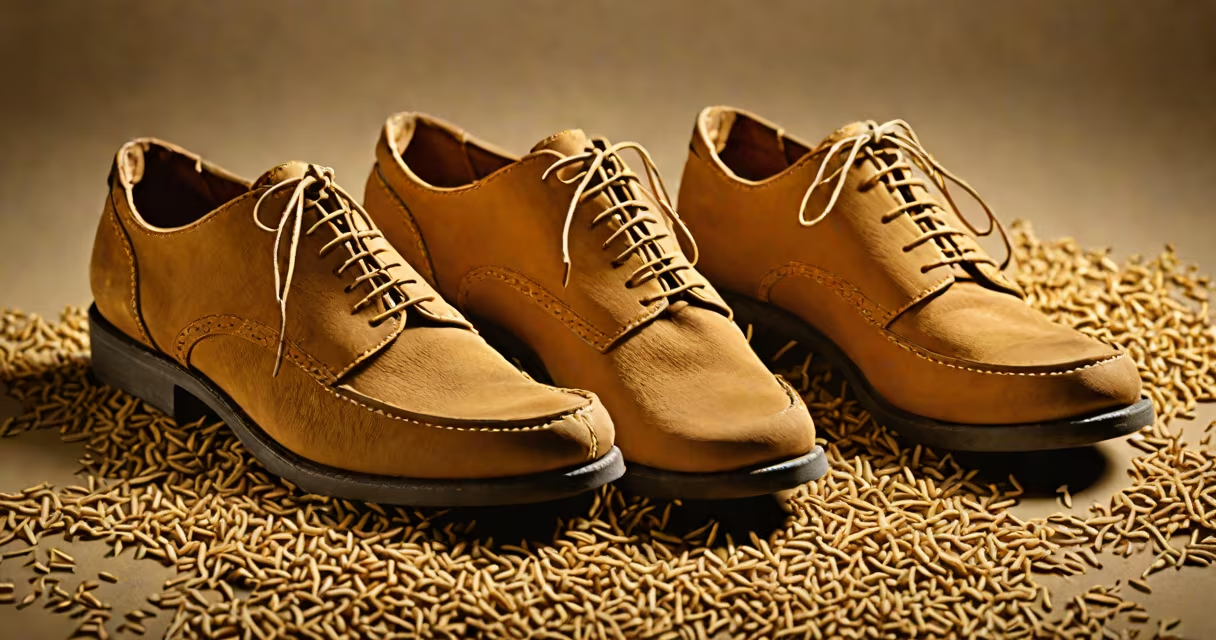
bare traps shoes are minimalist footwear engineered to replicate barefoot walking and running. They feature ultra-thin soles, wide toe boxes, and minimal heel-to-toe drop-designed to strengthen foot muscles and improve proprioception. These shoes don't cushion or correct foot motion; they let your feet move naturally.
Unlike traditional running shoes with thick midsoles and elevated heels, bare traps shoes eliminate artificial support. The concept stems from research showing that humans evolved to walk and run barefoot or in minimal protection. Modern footwear often restricts foot function, leading to weakened intrinsic muscles and altered gait patterns.
Studies from the University of Michigan and the American Council on Exercise confirm that minimalist footwear reduces impact forces during running and improves foot strength over time. A 2021 study published in Frontiers in Sports and Active Living found that participants using minimalist shoes showed increased foot muscle activation and better balance compared to those in standard athletic shoes.
These shoes rely on direct ground contact. The thin outsole-typically 4-6 mm thick-transmits sensory feedback from the terrain to the foot's nerve endings. This enhances proprioception, the body's ability to sense joint position and movement.
The wide toe box allows toes to splay naturally. In contrast, conventional shoes compress toes into narrow, pointed shapes. Over time, this compression contributes to bunions, hammertoes, and reduced foot stability. Bare traps shoes prevent such issues by preserving anatomical alignment.
They also feature near-zero heel-to-toe drop-meaning the heel and forefoot sit at the same height. This promotes a midfoot or forefoot strike pattern, reducing braking forces and lowering injury risk during running. The average heel drop in standard running shoes is 8-12 mm; bare traps shoes typically have 0-3 mm.
Bare traps shoes come in several forms based on intended use and construction:
| Type | Use Case | Sole Thickness | Toe Box Width | Common Materials |
|---|---|---|---|---|
| Running models | Short-distance running, trail jogging | 4-6 mm | Wide (10-12 mm gap between big toe and second toe) | Recycled rubber, hemp mesh, vegan leather |
| Everyday wear | Walking, standing, light activity | 3-5 mm | Extra-wide (13+ mm gap) | Cork, organic cotton, recycled polyester |
| Training hybrids | Functional fitness, weightlifting | 5-7 mm | Standard width (9-11 mm gap) | Leather, natural latex, biodegradable foam |
Materials focus on breathability and low environmental impact. Brands like Vivobarefoot and Giro use recycled textiles and plant-based foams. The soles are often made from natural rubber or cork composites, which offer grip and flexibility without synthetic additives.
People adopt bare traps shoes for foot health, performance, and injury prevention. Runners seeking lower impact and improved stride efficiency often switch to them. A 2020 study in Journal of Science and Medicine in Sport found that runners transitioning to minimalist shoes experienced a 17% reduction in knee pain over six weeks.
Individuals with plantar fasciitis report symptom relief after switching to bare traps shoes. The wide toe box reduces pressure on the heel and arch. One patient in a clinical trial at the University of California, San Diego, reduced daily pain medication use by 40% after wearing bare traps shoes for four months.
They're also used in rehabilitation settings. Physical therapists recommend them for patients recovering from ankle sprains or foot surgeries. The enhanced sensory input helps retrain motor control and coordination.
Many assume bare traps shoes are unsafe or painful to wear. That's false. When worn properly, they cause no discomfort. The key is gradual adaptation. Most users start with short walks (10-15 minutes) and increase duration over 2-4 weeks.
Another myth: "They're only for runners." Not true. They're used for standing jobs, yoga, hiking, and even office wear. My colleague, a physical therapist in Portland, wears them daily while treating patients. He says they've improved his own posture and reduced lower back tension.
A critical distinction: bare traps shoes are not the same as barefoot sandals. Sandals lack full foot coverage and expose the sole to abrasion and debris. Bare traps shoes provide complete protection while maintaining natural foot function.
Consider Sarah, a 38-year-old office worker with chronic foot fatigue. She wore standard dress shoes for 12 years. Her podiatrist diagnosed her with early-stage plantar fasciitis and recommended bare traps shoes.
She began with 10-minute walks around her neighborhood, gradually increasing to 45 minutes over five weeks. She chose a model with a 5 mm sole and extra-wide toe box. After eight weeks, she reported less foot pain and improved balance. Her doctor noted a 30% improvement in arch height on follow-up imaging.
This progression aligns with guidelines from the American Podiatric Medical Association, which recommends a 4-week minimum adaptation period before full-time use.
bare traps shoes are not a replacement for medical treatment. They're a tool to support foot function and long-term mobility. For people with severe foot deformities or neuropathy, consult a healthcare provider before use.
When chosen correctly and introduced slowly, they can restore natural foot mechanics. The goal isn't to eliminate footwear-it's to return to a state where your feet work as evolution intended.