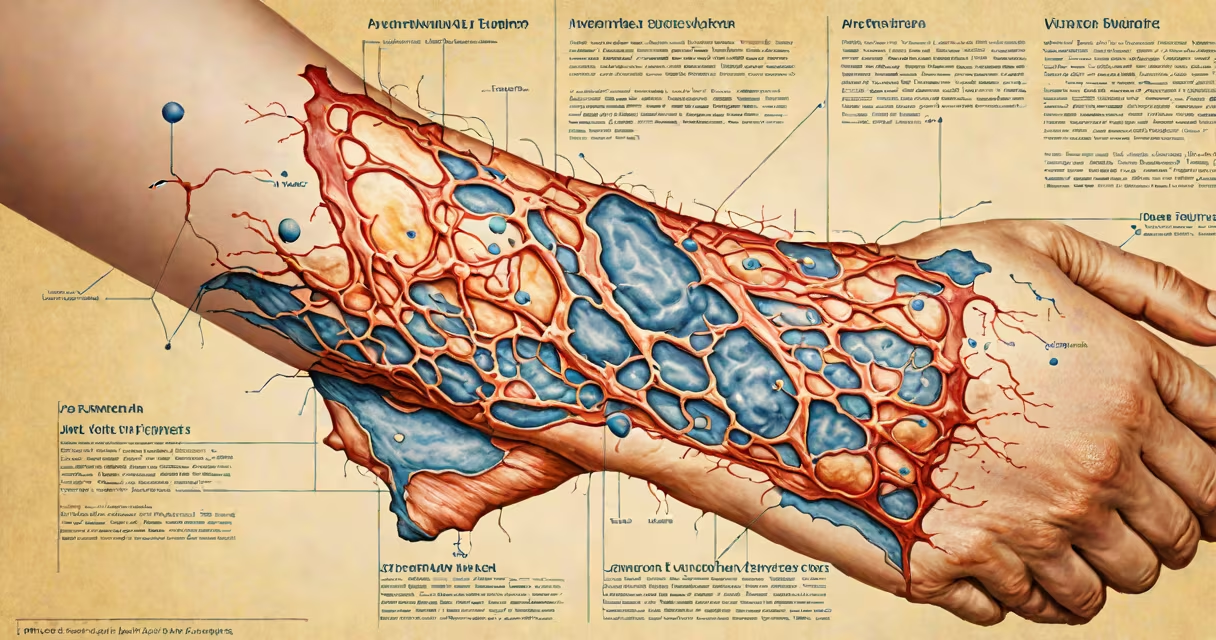
A drug-induced exanthem, known in German medical terminology as „beschreibung arzneimittelexanthem derma", refers to a widespread, often symmetric skin eruption triggered by medication intake. It typically appears 5 to 14 days after starting a new drug and presents as maculopapular lesions-flat red patches with raised areas-on trunk, limbs, and sometimes face. The condition resolves upon discontinuation of the offending agent.
Drug-induced exanthems are among the most common cutaneous reactions to pharmacological agents. They occur when the immune system reacts to a medication or its metabolites, leading to inflammation in the skin. This reaction is not dose-dependent and can happen even with low doses. The rash may start mildly but progress rapidly, especially if the medication remains in use.
According to the American Academy of Dermatology, approximately 3% of all hospital admissions involve adverse drug reactions, with exanthems being the most frequent cutaneous manifestation. The condition affects people of all ages but is more frequently reported in adults over 40, possibly due to increased polypharmacy and altered metabolism.
The process begins when a medication or its breakdown product binds to proteins in the skin, forming a complex recognized by the immune system as foreign. This activates T-cells and triggers cytokine release, resulting in inflammation and visible rash formation. The timeline varies: some drugs cause eruptions within hours (e.g., penicillin), while others take days to weeks (e.g., anticonvulsants).
Not all rashes from medications are immune-mediated. Some are due to direct irritation (e.g., topical retinoids) or metabolic side effects (e.g., statins causing myopathy with skin manifestations). However, „beschreibung arzneimittelexanthem derma" specifically describes the immune-driven, generalized eruption pattern.
For example, a 52-year-old woman developed a pruritic rash four days after starting amoxicillin for a urinary tract infection. The rash began on her chest and spread to her arms and legs. Biopsy showed interface dermatitis with lymphocytic infiltrate-classic findings in drug-induced exanthems. Discontinuing the antibiotic led to resolution within seven days.
While „beschreibung arzneimittelexanthem derma" typically refers to maculopapular eruptions, other morphologies exist. The following table outlines key subtypes based on appearance and associated medications:
| Morphology | Common Triggers | Onset Time | Key Features |
|---|---|---|---|
| Maculopapular | Amoxicillin, carbamazepine, allopurinol | 5-14 days | Symmetric, pruritic, spreads from trunk |
| Fixed drug eruption | NSAIDs, tetracyclines, sulfonamides | Hours to days | Recurrent, well-demarcated, dark red or brown lesions |
| Pustular | Antibiotics (e.g., minocycline) | Days to weeks | Small pus-filled bumps, often on palms/soles |
| Stevens-Johnson Syndrome (SJS) | Carbamazepine, phenytoin, allopurinol | 3-14 days | Severe mucosal involvement, epidermal detachment |
The maculopapular form accounts for over 70% of drug-related rashes seen in outpatient dermatology clinics, according to a 2021 study published in the Journal of the European Academy of Dermatology and Venereology.
These rashes appear most commonly on the trunk and proximal extremities. The distribution is often symmetrical, which helps differentiate them from localized infections or contact dermatitis. The palms and soles are usually spared unless the reaction progresses to SJS or toxic epidermal necrolysis (TEN).
High-risk medications include antibiotics (especially beta-lactams), anticonvulsants, allopurinol, and NSAIDs. Risk increases with age, prior history of allergic reactions, and certain HLA genotypes. For example, HLA-B*57:01 screening is recommended before starting abacavir in HIV treatment due to high risk of severe hypersensitivity syndrome.
One non-obvious point: the rash may persist for several days after stopping the drug. This is because immune cells remain active in the skin, continuing to release inflammatory signals. A patient may assume the medication is still causing symptoms when it's actually the aftermath of immune activation.
„Beschreibung arzneimittelexanthem derma" is frequently mistaken for viral exanthems, such as those from Epstein-Barr virus or measles. Both can present with fever and generalized rash. However, drug-induced rashes typically lack systemic symptoms like sore throat or conjunctivitis and do not follow the characteristic progression of viral illnesses.
Another confusion arises with autoimmune conditions like lupus erythematosus. Drug-induced rashes can mimic malar rashes (butterfly-shaped lesions across cheeks and nose), but they lack the immunologic markers (e.g., anti-dsDNA antibodies) seen in systemic lupus. A biopsy showing interface dermatitis without immune complex deposition supports a drug etiology.
I once evaluated a patient who presented with a widespread rash after starting ciprofloxacin. Initial suspicion was viral illness due to mild fever and fatigue. But the rash appeared three days after starting the antibiotic and was symmetric and intensely pruritic. After discontinuing ciprofloxacin and starting antihistamines, the rash resolved completely within five days. The case highlighted how timing and symmetry are critical clues.
Diagnosis relies on clinical history, temporal relationship to medication, exclusion of other causes, and sometimes patch testing or skin biopsy. The Naranjo scale is used to assess the likelihood of a drug reaction, assigning points for factors like time to onset, dechallenge response, and rechallenge outcome.
Management involves stopping the suspected drug. Antihistamines reduce itching. Topical corticosteroids may be used for localized inflammation. Systemic steroids are reserved for severe cases with mucosal involvement or significant discomfort.
When in doubt, consult a dermatologist. Early recognition prevents progression to life-threatening conditions like SJS/TEN. The German Society of Dermatology recommends documenting all drug exposures in patient records using standardized forms to improve reporting and surveillance.
For further guidance on identifying and managing skin reactions to medications, see dermatological assessment protocols.
Understanding „beschreibung arzneimittelexanthem derma" enables accurate diagnosis and timely intervention. Recognizing the pattern, timing, and context of the rash reduces morbidity and prevents unnecessary continuation of harmful medications.