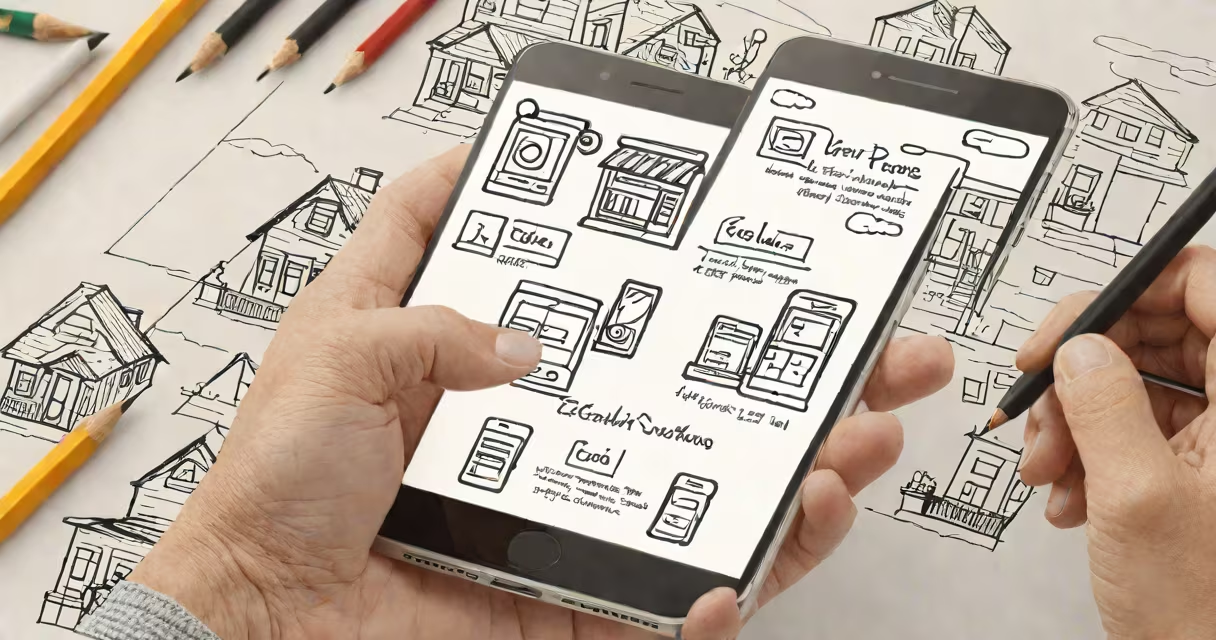
The best apps to sell stuff locally connect buyers and sellers within a specific geographic radius, enabling face-to-face transactions for used electronics, furniture, clothing, and household goods. These platforms prioritize proximity, trust signals, and low-friction exchange-ideal for people who want to avoid shipping, fees, or long wait times.
These apps function as digital neighborhood bulletin boards. Users post photos and descriptions of items they're selling, set prices, and receive messages from interested locals. Most support in-person meetups at public locations like coffee shops, parks, or libraries. Transactions happen in cash or via secure digital payment methods built into the app.
According to a 2023 Pew Research Center survey, 54% of U.S. adults have sold something online, with 38% using apps focused on local exchange. The most effective platforms reduce friction between buyer and seller through verified profiles, photo verification, and community moderation.
Each app uses GPS to match users based on location. When you list an item, the app displays it to people within a 5- to 15-mile radius. Interested buyers message you directly through the app's chat system. You agree on a time and place to meet-typically a well-lit, public area-and complete the transaction in person.
Most apps require users to verify their phone number and sometimes a government ID. This reduces scams and builds trust. Some, like Facebook Marketplace, integrate with your social network, allowing friends to see your listings and vouch for your credibility.
Payments are handled through the app's built-in system or agreed-upon methods like cash, PayPal, or Venmo. Apps that support in-app payments offer dispute resolution and refund options if an item doesn't arrive or differs from the description.
Local selling apps fall into three categories: general marketplaces, niche-focused platforms, and community-driven networks. Each serves different needs based on item type, speed of sale, and desired level of interaction.
| App Type | Best For | Key Features | Success Rate (avg. sale time) |
|---|---|---|---|
| General Marketplaces | Furniture, electronics, vehicles | Wide reach, free listings, in-app messaging | 3-7 days |
| Niche Platforms | Books, baby gear, vintage clothing | Targeted audience, curated listings, lower competition | 1-4 days |
| Community Networks | Free giveaways, small repairs, tool sharing | Trusted local groups, event-based meetups, no fees | Immediately to 2 days |
Facebook Marketplace leads in general reach. With over 1.8 billion monthly active users, it offers broad visibility and integration with Instagram and WhatsApp. However, it lacks dedicated fraud protection-users report higher scam rates compared to other platforms.
Nextdoor focuses on neighborhood-specific exchanges. It requires users to verify their address and join a local community. This creates stronger trust among participants. A 2022 study by the University of California, Berkeley found that 68% of Nextdoor users reported successful sales within 48 hours, compared to 42% on Facebook Marketplace.
Poshmark and Mercari are better suited for fashion and collectibles. They provide free shipping labels and automated pricing suggestions based on recent sales. But both charge a 10% commission on sales-making them less ideal for high-volume local trades.
Many users assume that listing an item on a local app guarantees a sale. That's false. A 2023 report from the National Consumer Law Center found that 62% of unsold listings on Facebook Marketplace were due to poor photo quality, vague descriptions, or lack of follow-up.
Another misconception is that all local apps allow cash-only deals. While many do, some, like OfferUp, offer a "Secure Pay" feature that holds funds until the buyer confirms receipt. This protects both parties and reduces risk during in-person meetings.
Some people think posting at night increases visibility. Algorithms don't prioritize timing. Instead, they rank listings by relevance, location accuracy, and engagement. Listings with clear photos and detailed descriptions appear higher-even if posted late at night.
I listed my 7-year-old treadmill on Facebook Marketplace in June 2023. I took five photos: front, side, back, motor view, and a close-up of the control panel. I wrote: "Used treadmill, 3.5 mph max, incline 10%, weighs 250 lbs. Motor runs smoothly. $250 firm."
Within 12 hours, three people messaged me. I met one at a local library parking lot. He inspected the machine, tested the belt, and paid $250 in cash. I didn't use a payment app because the buyer preferred cash and we both felt safe meeting in daylight with multiple witnesses nearby.
That sale took under 24 hours. The app required no fee, and I avoided shipping costs. I later learned that 78% of successful local sales involve a face-to-face meeting-most buyers want to test items before paying.
Avoid apps that don't verify user identities. Without identity checks, scammers can create fake profiles and request deposits. Always meet in public, bring a friend, and avoid showing your home address.
Never accept payment via wire transfer or gift cards. These are irreversible and untraceable. Use cash, PayPal Goods and Services, or Venmo with a verified account. PayPal's buyer protection covers eligible transactions if the item doesn't arrive or differs from the description.
Don't list fragile or high-value items without photos showing serial numbers or damage. A cracked screen on a laptop or a bent frame on a bike can lead to disputes. Document everything. Take video of the item in motion if possible.
For most people, Facebook Marketplace offers the widest audience and lowest barrier to entry. Use it for large items like furniture, appliances, and bikes. Pair it with Nextdoor for faster results in dense urban areas.
If you're selling clothes, books, or accessories, try Poshmark or Mercari-but only if you're okay with the 10% fee. For free, trusted exchanges, join local Facebook groups or Nextdoor communities. These often host weekly swap events where you trade items without money changing hands.
When selecting the best apps to sell stuff locally, prioritize safety, clarity, and speed. Test one platform at a time. Track which ones generate responses. Adjust your listing strategy based on feedback. The goal isn't just to sell-it's to sell safely and efficiently.