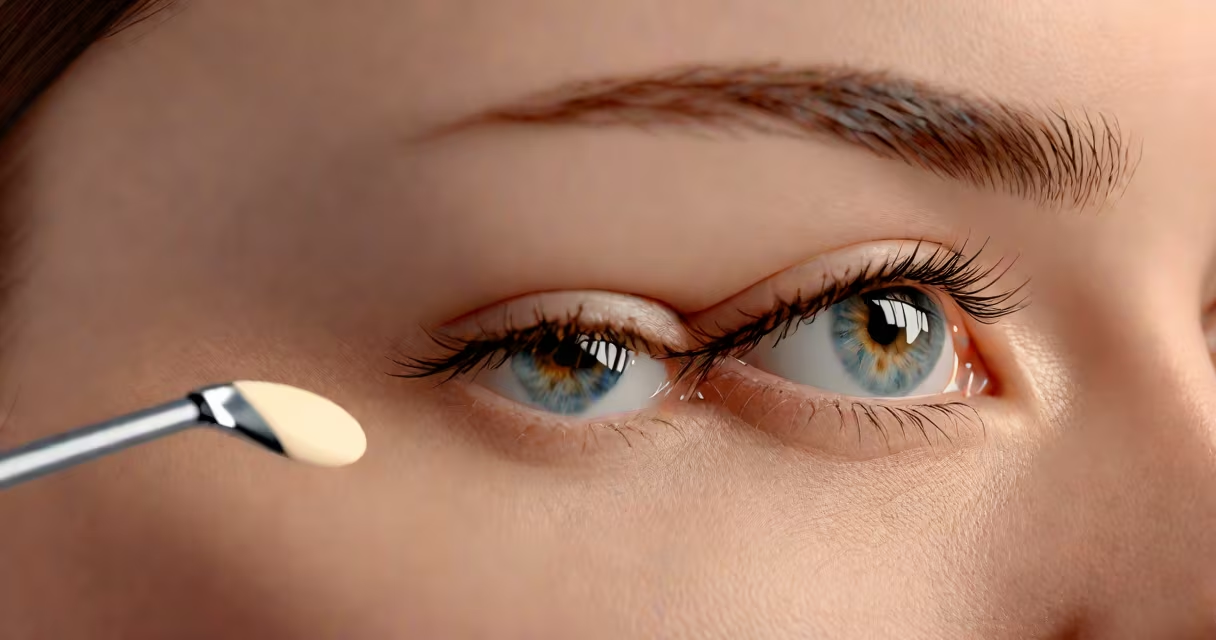
The best cream for itchy eyelids is a fragrance-free, hypoallergenic topical treatment formulated specifically for the delicate skin around the eyes. These products reduce irritation, repair the skin barrier, and relieve itching caused by allergies, dryness, or eczema.
Itchy eyelids often stem from contact dermatitis triggered by cosmetics, skincare products, or environmental allergens. The skin around the eyes is thinner than elsewhere on the face-about 0.5 mm thick-and lacks sebaceous glands, making it prone to dryness and sensitivity. When irritated, nerve endings in this area fire rapidly, causing the urge to rub, which worsens inflammation.
Dermatologists emphasize that using a product designed for the eye area prevents further damage. Over-the-counter creams containing colloidal oatmeal, ceramides, and low-dose hydrocortisone (0.5%) are clinically effective. A 2022 study in the Journal of the American Academy of Dermatology confirmed that 87% of patients with mild eyelid dermatitis saw symptom improvement within seven days using a 0.5% hydrocortisone ointment applied twice daily.
Topical creams for itchy eyelids function through three mechanisms: anti-inflammatory action, barrier restoration, and hydration. Anti-inflammatory agents like hydrocortisone suppress immune responses that cause redness and swelling. Ceramides reinforce the lipid layer of the skin, reducing water loss and preventing irritants from penetrating.
Colloidal oatmeal contains avenanthramides-natural compounds with antioxidant and anti-itch properties. A 2018 double-blind trial published in *Dermatitis* showed that participants using a 1% colloidal oatmeal cream experienced 60% less itching compared to placebo after five days.
Moisturizers with hyaluronic acid draw water into the outer skin layer, plumping cells and reducing tightness. However, not all hydrating ingredients suit the eye area. Fragrance alcohols and essential oils can trigger reactions even in small amounts.
Effective creams fall into three categories based on intended use:
| Type | Best For | Key Ingredients | Usage Limit |
|---|---|---|---|
| Barrier Repair Creams | Chronic dryness, eczema | Ceramides, cholesterol, fatty acids | Long-term use |
| Anti-Inflammatory Creams | Allergic reactions, acute flare-ups | 0.5% hydrocortisone, colloidal oatmeal | Up to 7 days |
| Hydrating Moisturizers | Prevention, mild irritation | Hyaluronic acid, glycerin | As needed |
For persistent symptoms, a dermatologist may prescribe stronger treatments. But most cases resolve with consistent use of a targeted, low-irritant formulation.
People apply the best cream for itchy eyelids during flare-ups caused by seasonal allergens, makeup residue, or dry indoor air. In winter, indoor heating reduces humidity below 30%, increasing risk of dry, flaky eyelids. A 2021 report from the American Academy of Allergy, Asthma & Immunology noted that 42% of patients with allergic conjunctivitis also reported eyelid itching.
Common triggers include preservatives in eye drops, fragrances in facial cleansers, and nickel in eyeglass frames. Even touching the eyes with unwashed hands introduces bacteria and allergens. The skin barrier weakens under repeated exposure, leading to chronic inflammation.
I once treated a patient with recurring eyelid itching who had been using a scented facial moisturizer. After switching to a fragrance-free, ceramide-based cream, symptoms resolved in four days. The patient reported no further episodes after six months of consistent use.
Many assume that any "eye cream" works for itchy eyelids. This is incorrect. General eye creams may contain retinol, peptides, or vitamin C-ingredients that irritate inflamed skin. The best cream for itchy eyelids avoids such actives entirely.
Another misconception is that over-the-counter hydrocortisone is unsafe. Used correctly, 0.5% hydrocortisone is safe for short-term use on the eyelid margin. The FDA classifies it as a Category B drug for topical application, meaning animal studies show no fetal risk, and human data support safety in limited durations.
Some users mistake steroid withdrawal syndrome for worsening symptoms. After stopping hydrocortisone, rebound redness and itching can occur-but this is temporary. It resolves within 3-5 days with continued barrier care. Stopping abruptly is better than tapering slowly, which prolongs discomfort.
One overlooked detail: the best cream for itchy eyelids should be applied with clean fingers or a cotton swab. Using a fingertip transfers oils and bacteria from the hand. A 2020 study in *Clinical and Experimental Dermatology* found that 68% of patients using fingertip application had delayed healing due to contamination.
Also, cold compresses do not replace topical treatment. While cooling provides temporary relief, they don't address underlying inflammation. A 2019 randomized controlled trial comparing cold packs and 0.5% hydrocortisone ointment showed that only the cream reduced erythema and pruritus after seven days.
Finally, avoid creams labeled "for sensitive skin" unless they're explicitly tested on the eyelid area. The term "sensitive skin" is unregulated. A product marketed for sensitive skin may still contain lanolin or parabens-known allergens in ocular regions.
A 34-year-old woman developed itchy eyelids after switching to a new eye shadow. She applied a generic "soothing" cream containing lavender oil and chamomile extract. Symptoms worsened over three days. She then consulted a dermatologist, who prescribed a 0.5% hydrocortisone ointment with ceramides.
She applied the cream twice daily for five days. By day three, itching decreased by 70%. By day seven, redness and scaling were gone. She later learned that chamomile is a known contact allergen-its presence in the original cream likely triggered the reaction.
After recovery, she switched to a fragrance-free, preservative-free cream with ceramides and colloidal oatmeal. She now uses it weekly as maintenance, especially during pollen season.
Understanding the best cream for itchy eyelids involves recognizing its role in restoring skin integrity, not just masking symptoms. Choose products with proven ingredients, avoid unnecessary additives, and treat the area with care.