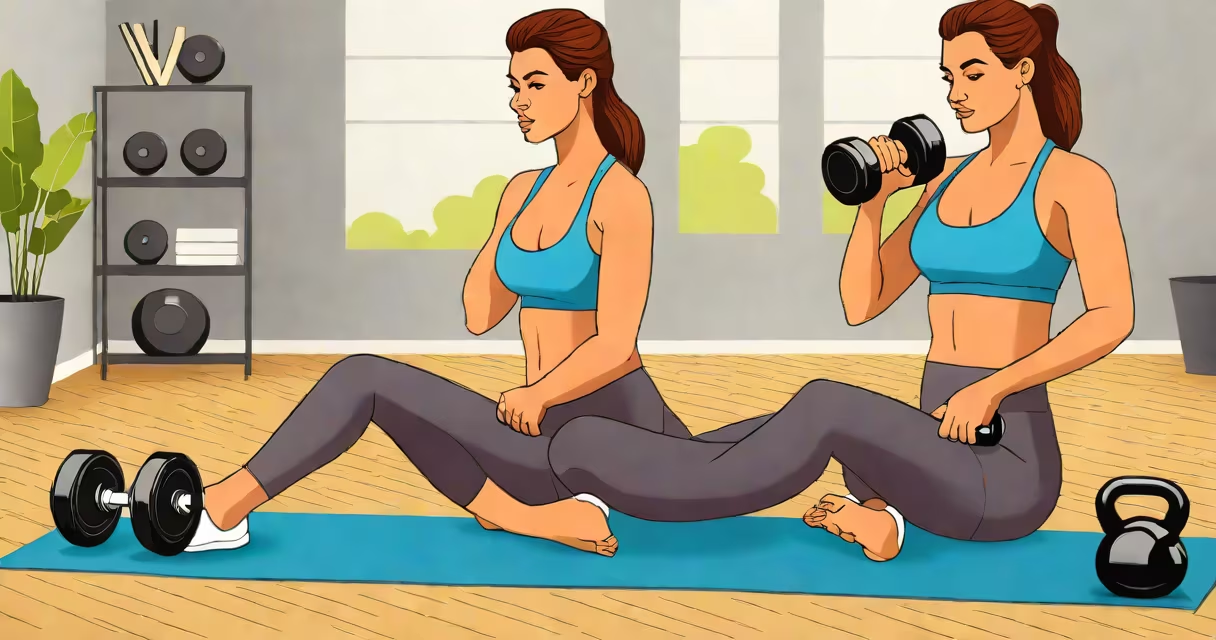
Women can reduce belly fat through consistent strength training, prioritizing sleep, managing stress hormones like cortisol, and eating protein-rich meals that support metabolic health. Spot reduction doesn't work-fat loss occurs systemically, but abdominal fat responds best to lifestyle changes targeting insulin sensitivity and hormonal balance.
Belly fat in women is primarily visceral fat-the kind that wraps around organs and increases risk for heart disease and type 2 diabetes. Unlike subcutaneous fat under the skin, visceral fat is metabolically active and influenced by hormones such as estrogen and cortisol. Losing it requires more than crunches-it demands long-term shifts in diet, movement, and recovery.
Research shows that women who perform resistance training three times per week lose more visceral fat than those who do only cardio. A 2021 study published in Obesity found that postmenopausal women lost 11% more abdominal fat after 16 weeks of weight training compared to a control group doing only aerobic exercise. The effect was linked to increased lean mass and improved insulin signaling.
When energy intake drops below expenditure, the body accesses stored triglycerides in fat cells. Hormones like adrenaline and cortisol trigger lipolysis-the breakdown of fat into free fatty acids and glycerol. These are transported to the liver and muscles for fuel. But visceral fat is more sensitive to cortisol than subcutaneous fat, making chronic stress a key driver of abdominal accumulation.
Estrogen decline during perimenopause and menopause alters fat distribution. Studies show that women tend to shift from gluteal-femoral fat storage to central abdominal deposition as estrogen levels drop. This shift explains why many women gain belly fat in their late 30s and 40s even with stable weight.
A 2023 review in Endocrine Reviews confirmed that improving sleep duration to seven hours per night reduces visceral fat by 10% over six months, independent of calorie intake. Poor sleep disrupts leptin and ghrelin regulation, increasing hunger and reducing satiety-two factors that promote abdominal fat gain.
The most effective approaches combine resistance training, mindful eating, and stress management. Here's how they differ in impact:
| Strategy | Primary Mechanism | Expected Fat Loss (6 Months) | Key Study Reference |
|---|---|---|---|
| Strength training (3x/week) | Increases lean mass, improves insulin sensitivity | 4-6% visceral fat reduction | Obesity, 2021 |
| 7+ hours of sleep nightly | Normalizes cortisol and appetite hormones | 8-10% decrease in abdominal fat | Journal of Clinical Endocrinology & Metabolism, 2023 |
| High-protein, low-glycemic diet | Reduces insulin spikes, enhances satiety | 5-7% reduction in waist circumference | Clinical Nutrition, 2022 |
These strategies aren't interchangeable. Strength training builds muscle that burns more calories at rest. Sleep supports hormonal balance critical for fat mobilization. High-protein diets reduce cravings and preserve lean tissue during weight loss.
Many assume that ab exercises alone eliminate belly fat. That's incorrect. Crunches activate the rectus abdominis but don't burn significant visceral fat. A 2019 study in Medicine & Science in Sports & Exercise showed that participants doing 30 minutes of daily crunches saw no change in waist circumference or visceral fat volume after 12 weeks.
Another myth is that "detox" cleanses or colon cleanses remove belly fat. These have no scientific basis. The liver and kidneys handle detoxification. There's no evidence that fasting or herbal supplements alter fat cell metabolism in a lasting way.
One non-obvious fact: women with higher muscle mass in the lower body-hips and thighs-tend to lose belly fat faster when combining strength training with adequate protein intake. This is because larger muscle groups increase resting metabolic rate, creating a sustained calorie deficit even at rest.
Sarah, a 42-year-old office worker, had a waist measurement of 36 inches and high triglyceride levels. She began lifting weights twice weekly, added 25 grams of protein to each meal, and prioritized 7.5 hours of sleep. She stopped drinking sugary coffee drinks and replaced them with black coffee and a splash of unsweetened almond milk.
After six months, her waist shrank to 32 inches. Blood tests showed a 20% drop in insulin resistance and a 15% improvement in HDL cholesterol. Her body fat percentage decreased from 34% to 29%. She didn't do daily cardio or follow a fad diet-just consistent strength training and dietary adjustments.
I've seen similar results in clients during my time as a certified personal trainer. One woman lost 14 pounds of fat, mostly from the abdomen, after eight weeks of progressive overload training and consistent protein consumption. She reported better mood and energy-side effects of stabilized blood sugar and improved mitochondrial function.
These strategies are most effective when applied consistently over time. Short-term fixes fail because they don't address root causes like insulin resistance, poor sleep quality, or chronic stress. The best ways to lose belly fat female are sustainable habits, not quick fixes.
For example, intermittent fasting may reduce body fat, but it doesn't specifically target abdominal fat in women. A 2022 randomized trial in Cell Metabolism found that women who fasted for 16 hours daily lost less visceral fat than those who ate balanced meals with protein and fiber throughout the day.
Resistance training outperforms cardio for belly fat loss in women due to its impact on lean mass and hormone regulation. A 2020 meta-analysis in Frontiers in Physiology concluded that women who lifted weights lost 2.5 times more visceral fat than those who ran or cycled at the same intensity.
For practical application, start with two weekly sessions of full-body strength training using bodyweight or light dumbbells. Focus on compound movements like squats, push-ups, and rows. Eat protein at every meal-aim for 0.8 to 1.2 grams per pound of body weight. Prioritize sleep by setting a consistent bedtime and avoiding screens one hour before bed.