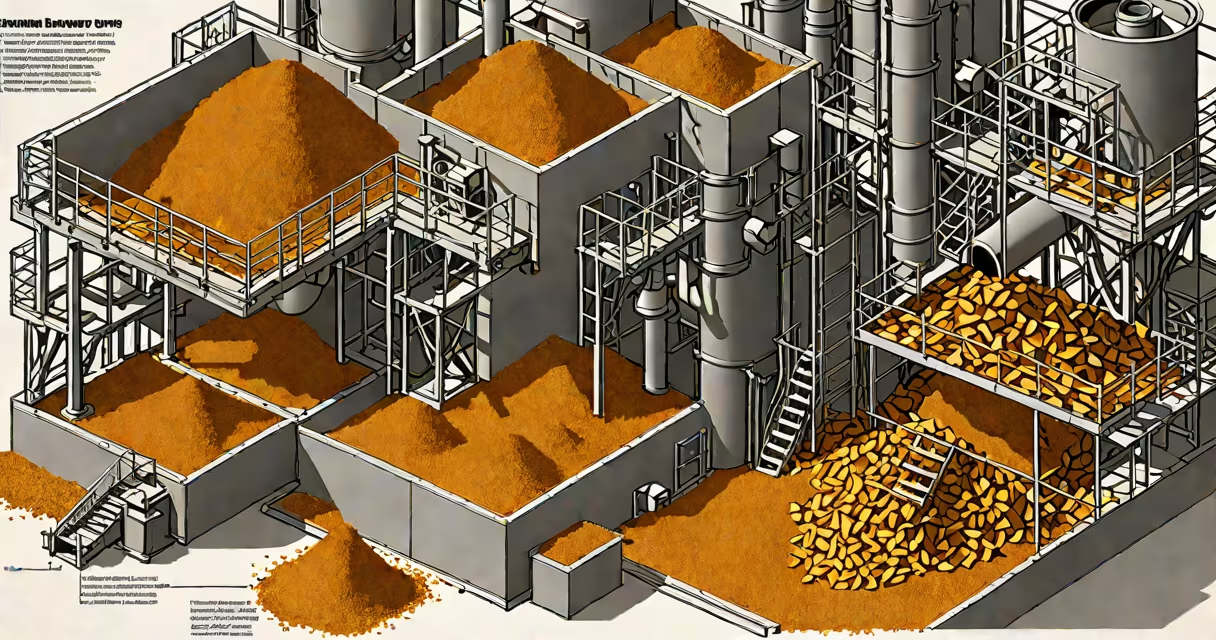
Biomass energy is electricity or heat generated from organic matter such as wood, crop residues, animal waste, or dedicated energy crops. It converts stored solar energy in plants into usable forms through combustion, gasification, or biochemical processes. This energy source is renewable because feedstocks regrow within human timescales and can reduce reliance on fossil fuels.
Biomass energy operates by releasing stored chemical energy in organic material. When burned, the carbon dioxide released during combustion was recently absorbed from the atmosphere during plant growth, making it part of a closed-loop cycle. Unlike fossil fuels, which release ancient carbon, biomass energy is considered carbon-neutral over its lifecycle when managed sustainably. The U.S. Department of Energy confirms that properly sourced biomass can reduce greenhouse gas emissions by up to 80% compared to coal-fired power plants.
Modern biomass systems use advanced technologies to improve efficiency and reduce pollution. For example, fluidized bed combustors burn waste wood at high temperatures while capturing particulates and nitrogen oxides. Anaerobic digesters convert manure into biogas rich in methane, which powers generators or is upgraded to renewable natural gas. These systems are deployed at scale in countries like Sweden, where district heating networks run on wood pellets and agricultural residues.
The process begins with harvesting or collecting organic feedstock. This includes logging residues, corn stover left after harvest, or purpose-grown switchgrass. Once collected, the material is processed-chipped, dried, or pelletized-to improve consistency and energy density. Pellets typically have a moisture content below 10% and a heating value around 18 megajoules per kilogram, making them ideal for transport and combustion.
Combustion remains the most common method. In a boiler, biomass is burned to produce steam, which drives a turbine connected to a generator. A typical 50-megawatt biomass plant burns about 150,000 tons of wood chips annually. Gasification offers an alternative: heating biomass in low-oxygen environments produces syngas, a mixture of hydrogen and carbon monoxide, which can be cleaned and used in engines or fuel cells.
Biological pathways include anaerobic digestion and fermentation. In digesters, bacteria break down wet biomass like food waste or dairy manure, producing biogas. One cubic meter of biogas from livestock waste contains roughly 6 megajoules of energy-enough to power a household refrigerator for 12 hours. Fermentation converts sugars in crops like sugarcane into ethanol, which blends with gasoline or fuels flex-fuel vehicles.
Feedstocks vary widely in origin, energy content, and processing requirements. The table below outlines major categories and their typical applications.
| Type | Source Example | Energy Density (MJ/kg) | Primary Use |
|---|---|---|---|
| Wood-based | Hardwood chips, sawdust | 16-19 | Direct combustion, pellet fuel |
| Crop residues | Corn stover, rice husks | 14-17 | Gasification, co-firing with coal |
| Animal waste | Dairy manure, poultry litter | 10-14 | Anaerobic digestion, biogas production |
| Dedicated energy crops | Switchgrass, miscanthus | 15-18 | Thermochemical conversion, cellulosic ethanol |
Each feedstock presents unique logistical challenges. Wood chips require drying to prevent clogging in fuel systems. Crop residues often contain high ash content, which can cause slagging in boilers. Animal waste needs preprocessing to remove solids and maintain digester stability. The choice of feedstock affects both system design and environmental impact.
Biomass energy is deployed globally, especially in regions with abundant organic resources. In rural areas of India, small-scale biogas plants powered by cow dung serve households lacking grid access. In Finland, combined heat and power (CHP) plants burn forest residues to supply homes and industries with both electricity and steam. The European Union mandates that 32% of its energy mix come from renewables by 2030, with biomass contributing to national targets.
Industrial facilities use biomass to meet sustainability goals. A paper mill in Oregon burns bark and wood waste to generate 40% of its steam needs, reducing natural gas consumption by 1.2 million cubic feet annually. This aligns with corporate carbon reduction pledges and avoids compliance costs under regional emissions trading schemes.
A key misconception is that all biomass is environmentally benign. Overharvesting trees for energy can degrade forests, reduce biodiversity, and increase net carbon emissions if regeneration lags behind removal. The Intergovernmental Panel on Climate Change (IPCC) warns that biomass must be sourced from sustainably managed land to avoid negative climate outcomes. A study published in *Nature Sustainability* found that using whole trees for energy instead of residues increased carbon debt by 300% over 20 years.
Biomass energy is often mistaken for biofuels like ethanol or biodiesel. While all are derived from biological sources, they differ in form and application. Ethanol is a liquid fuel used in transportation, whereas biomass energy typically refers to thermal or electrical output. Confusing the two leads to misaligned policy decisions and investment errors.
Another error is assuming biomass is always carbon neutral. The IPCC clarifies that carbon neutrality depends on timeframes and land-use changes. If biomass replaces mature forests, the carbon sequestration lost during deforestation may take decades to offset. The European Commission's 2021 report on renewable energy standards requires life-cycle assessments to verify carbon balance before granting eligibility for subsidies.
I once observed a biomass plant in northern Maine that struggled with inconsistent feedstock quality. The supplier delivered mixed wood waste containing plastic contaminants. The resulting emissions spikes triggered regulatory penalties. This incident underscored that even clean energy systems fail without consistent input control and supply chain oversight.
Unlike fossil fuels, biomass cannot be stored indefinitely without degradation. Moisture absorption causes microbial growth, leading to spontaneous combustion risks. Dry storage in sealed silos or covered piles maintains quality. Pellets are typically stored in climate-controlled warehouses with humidity below 15%. A 2022 study by the National Renewable Energy Laboratory found that storing pellets above 18% moisture reduced energy yield by 12% due to mold and decomposition.
For large-scale deployment, integrated systems combine multiple feedstocks and conversion paths. A Danish district heating plant combines wood chips, straw, and food waste in a single gasifier. The resulting syngas powers turbines and heats 12,000 homes. This model maximizes resource use and reduces waste disposal costs.