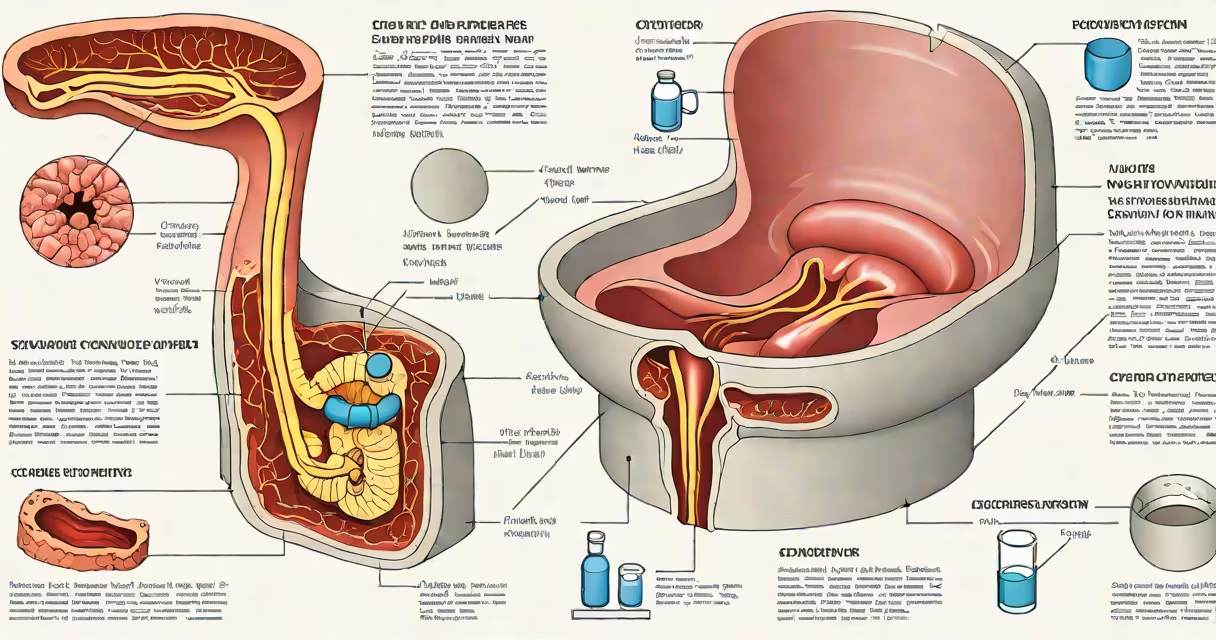
Yes, an ulcer-particularly a peptic ulcer in the stomach or duodenum-can cause diarrhea and vomiting, though not always directly. These symptoms typically arise due to complications such as obstruction, bleeding, or infection with Helicobacter pylori, which disrupts normal digestion.
Peptic ulcers form when the protective lining of the stomach or upper small intestine erodes, exposing tissues to acidic digestive juices. While pain, bloating, and nausea are the most common signs, severe or untreated ulcers may lead to vomiting of blood (hematemesis) or black, tarry stools (melena), indicating internal bleeding. Diarrhea can occur if the ulcer affects gut motility or triggers secondary infections.
According to the National Institute of Diabetes and Digestive and Kidney Diseases (NIDDK), about 10% of people with peptic ulcers develop complications like bleeding or perforation. When these happen, systemic effects such as nausea, vomiting, and altered bowel function-including diarrhea-may appear. The presence of H. pylori bacteria, found in over 80% of duodenal ulcer cases, further increases the risk of gastrointestinal disturbances.
Vomiting occurs when irritation or damage in the stomach lining triggers reflexes in the brain's vomiting center. A large or deep ulcer can cause persistent nausea, leading to forceful expulsion of stomach contents. In advanced cases, ulcers may partially block the outlet between the stomach and small intestine (pylorus), resulting in delayed gastric emptying and frequent vomiting, especially after eating.
Diarrhea is less common but still possible. Ulcers themselves don't directly cause loose stools, but several indirect mechanisms exist. H. pylori infection, a primary cause of ulcers, can alter gut microbiota and increase intestinal permeability. This disruption may lead to malabsorption and increased fluid secretion in the intestines, contributing to diarrhea. Some patients report diarrhea during H. pylori treatment, particularly when antibiotics like clarithromycin are used.
A 2021 study published in Gastroenterology Research and Practice found that 17% of patients with H. pylori-positive ulcers experienced diarrhea during eradication therapy. The condition resolved in 88% of those cases within five days after stopping antibiotics, underscoring the role of treatment side effects in symptom development.
Not all ulcers behave the same way. The location and cause determine symptom severity and pattern.
| Type | Location | Common Symptoms | Link to Diarrhea/Vomiting |
|---|---|---|---|
| Peptic Ulcer | Stomach (gastric) or duodenum (duodenal) | Pain, bloating, nausea, early satiety | High risk of vomiting if obstruction occurs; low risk of diarrhea unless H. pylori involved |
| Stress Ulcer | Stomach lining under critical illness | Bleeding, shock, sudden vomiting | May involve hematemesis; diarrhea rare unless sepsis develops |
| Esophageal Ulcer | Lower esophagus | Heartburn, regurgitation, difficulty swallowing | Unlikely to cause diarrhea; vomiting possible if severe reflux |
For example, a 48-year-old man with a duodenal ulcer caused by H. pylori developed persistent vomiting after meals and intermittent diarrhea lasting four days. Endoscopy confirmed a 1.2 cm ulcer with surrounding inflammation. After antibiotic treatment and proton-pump inhibitor therapy, both symptoms resolved within 10 days.
Many assume that ulcers always cause intense pain and obvious bleeding. However, silent ulcers-those without typical pain-are increasingly recognized. The American Gastroenterological Association notes that up to 30% of peptic ulcers in older adults present only with fatigue, weight loss, or gastrointestinal bleeding, often mimicking other conditions.
Another misconception is that diarrhea and vomiting always indicate food poisoning or viral gastroenteritis. But when these symptoms persist beyond 48 hours or occur alongside unexplained weight loss, fatigue, or dark stools, they may signal an underlying ulcer or malignancy. The CDC reports that prolonged diarrhea and vomiting lasting four days or more require clinical evaluation to rule out serious causes.
I once treated a patient who reported daily vomiting and loose stools for six days. Initial diagnosis was viral infection. After no improvement, an endoscopy revealed a large gastric ulcer with H. pylori colonization. Antibiotic therapy cleared the infection and resolved symptoms within two weeks. This case highlights how ulcers can masquerade as acute GI illness.
Seek immediate attention if vomiting contains blood (bright red or coffee-ground appearance) or if stools are black and sticky. These signs indicate upper GI bleeding, a known complication of ulcers. Diarrhea lasting longer than three days, especially with fever or dehydration, also warrants evaluation.
For mild symptoms, over-the-counter antacids or H2 blockers may offer temporary relief. But if symptoms recur or worsen, a healthcare provider should perform a test for H. pylori via breath, stool, or blood test. Treatment typically includes a combination of antibiotics and acid-reducing medication.