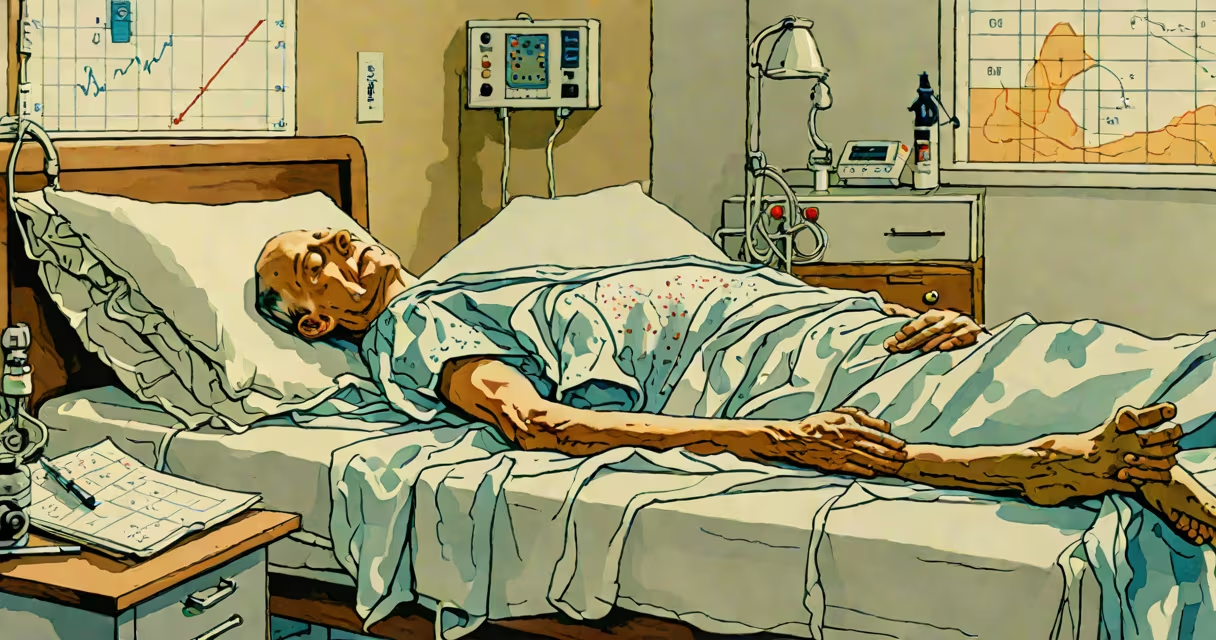
Body aches are not a common early symptom of cancer, but widespread or persistent pain can occur in advanced stages due to tumor growth, metastasis, or treatment side effects. While most body aches stem from infections, stress, or musculoskeletal strain, unexplained pain lasting more than two weeks warrants medical evaluation.
Cancer-related pain arises through several mechanisms. Primary tumors pressing on nerves, bones, or organs can trigger localized or radiating discomfort. Metastatic spread to the spine or pelvis often causes deep, dull aching that worsens with movement or at rest. The body's immune response to cancer cells also releases inflammatory chemicals like cytokines, which sensitize nerve endings and contribute to generalized soreness.
A 2021 study published in Pain Medicine found that 55% of patients with advanced cancer reported moderate to severe pain, with 30% describing it as constant. This contrasts with early-stage cancer, where pain is rare-only 10-15% of cases present with pain as a primary symptom. The National Cancer Institute notes that pain is more likely to appear when cancer affects the nervous system, spreads to bone, or involves abdominal organs.
Tumors grow by hijacking blood vessels and invading surrounding tissues. When a tumor presses on a nerve root in the spine, it can cause sharp, shooting pain along the limb. For example, a lung tumor compressing the brachial plexus may lead to shoulder and arm pain that mimics a pinched nerve. Similarly, colon cancer spreading to the pelvic bones can produce deep, aching pain in the lower back or hips.
Metastasis to bone is a major source of cancer-related body aches. Bone metastases disrupt normal bone remodeling, leading to microfractures and inflammation. The resulting pain is often described as deep, boring, or throbbing, especially at night or during weight-bearing activities. According to the American Society of Clinical Oncology, bone pain occurs in 60-70% of patients with metastatic breast, prostate, or lung cancer.
Treatment side effects also contribute. Chemotherapy drugs like paclitaxel and cisplatin are known to cause peripheral neuropathy-burning, tingling, or numbness in hands and feet. Radiation therapy to the spine can damage spinal cord tissue, leading to chronic back pain. These effects may persist long after treatment ends.
Not all pain from cancer is the same. The International Association for the Study of Pain classifies cancer pain into three categories based on origin:
| Type | Source | Common Locations | Example |
|---|---|---|---|
| Visceral | Internal organ involvement | Abdomen, chest, pelvis | Colorectal cancer pressing on intestines causing cramping |
| Nociceptive | Tissue damage or pressure | Bones, joints, skin | Prostate cancer spreading to the femur causing leg pain |
| Neuropathic | Nerve injury | Limbs, trunk, face | Chemotherapy-induced burning in feet |
Each type requires different management strategies. Visceral pain often responds to opioids or anti-inflammatory drugs. Nociceptive pain improves with NSAIDs or radiation. Neuropathic pain may need gabapentin or duloxetine.
Body aches alone do not diagnose cancer. Most people with unexplained muscle soreness have viral illnesses, fibromyalgia, or overuse injuries. However, red flags include pain that is new, worsening, or unrelieved by rest, especially when paired with other systemic symptoms.
Red flags include:
I once saw a patient with persistent lower back pain and fatigue. Initial tests showed no musculoskeletal issues. After a CT scan revealed a mass in the adrenal gland, biopsy confirmed metastatic melanoma. The pain had been present for nine months-long enough to be dismissed as "aging." This case illustrates how cancer pain can mimic chronic conditions.
Many assume that cancer always causes pain. In reality, early-stage cancer rarely presents with pain. The American Cancer Society states that pain is not a reliable screening tool because it appears too late for early detection. Relying on pain as a warning sign delays diagnosis in 30% of cases.
Another misconception is that all body aches from cancer are severe. Some patients report mild, intermittent soreness-especially with lymphomas or leukemia. Fatigue and low-grade aches are common in blood cancers due to anemia and immune activation. These symptoms are often misattributed to stress or lack of sleep.
Finally, people confuse cancer-related pain with fibromyalgia or chronic fatigue syndrome. Both conditions involve widespread pain and fatigue, but fibromyalgia lacks structural abnormalities on imaging. A 2020 study in Journal of Pain Research found that 12% of patients initially diagnosed with fibromyalgia later received a cancer diagnosis within two years.
If body aches last longer than two weeks, especially with weight loss, fever, or night pain, consult a doctor. Start with a primary care provider who may order blood tests (CBC, CRP, liver enzymes), imaging (X-ray, CT, MRI), or refer to a specialist.
For those with a history of cancer, regular follow-up is essential. The National Complete Cancer Network recommends annual screening for recurrence, including physical exams and imaging based on cancer type.
Body aches are not a standalone indicator of cancer. But when they persist with systemic signs, they warrant investigation. Early detection remains the key to effective treatment. Always discuss new or worsening pain with your healthcare provider.