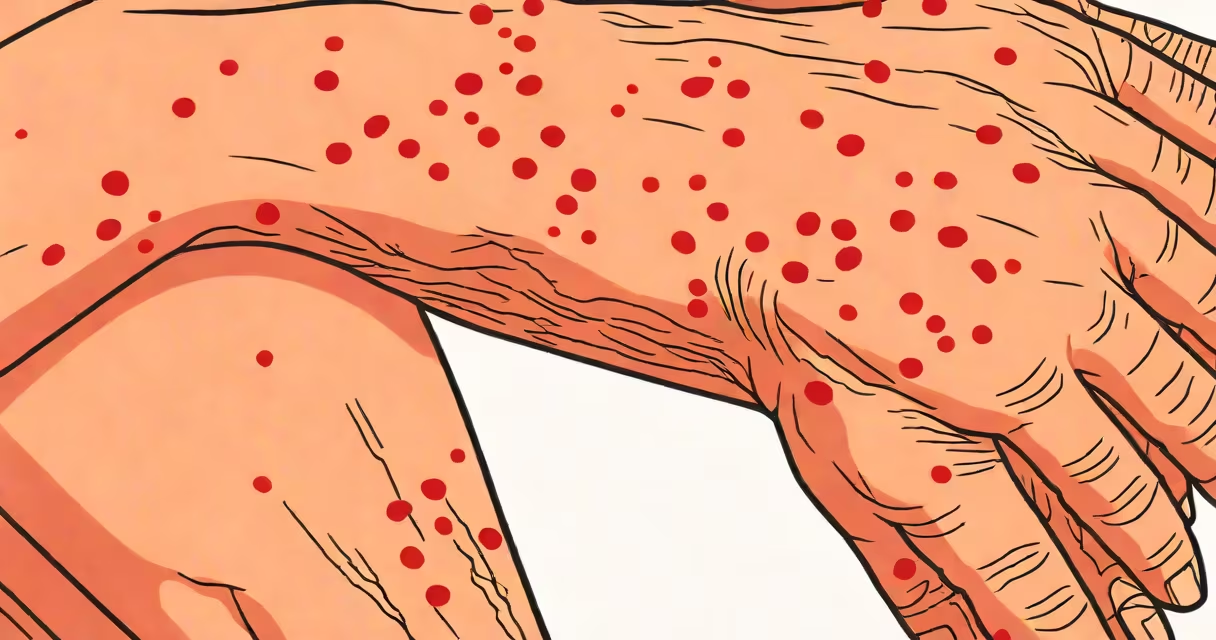
Keratosis pilaris (KP) can cause persistent itching, particularly in dry climates or during winter months. The condition results from excess keratin blocking hair follicles, leading to rough, bumpy patches that may feel irritated or burn.
These bumps typically appear on the upper arms, thighs, cheeks, or buttocks. While many people describe KP as merely cosmetic, research confirms that inflammation around the follicles triggers nerve sensitivity, resulting in itchiness. A 2021 study in the Journal of the American Academy of Dermatology found that 63% of patients with KP reported moderate to severe itching, especially after bathing or in low-humidity environments.
Itching worsens when the skin barrier is compromised. Scratching leads to further irritation and potential secondary infection. The sensation isn't just psychological - it's neurologically driven by activated sensory nerves near blocked follicles.
Normal skin sheds dead cells gradually. In KP, keratin - a protein that protects skin - builds up abnormally in hair follicles. This forms hard plugs that trap bacteria and debris, triggering mild inflammation. Inflamed tissue releases cytokines, signaling nearby nerves to send itch signals to the brain.
The process resembles contact dermatitis but is internal rather than triggered by external allergens. The immune system doesn't attack KP as foreign; instead, the physical obstruction activates pain and itch pathways through mechanical pressure and localized swelling.
A 2019 clinical review in Dermatologic Clinics noted that patients with dry skin or eczema were twice as likely to report itch with KP compared to those with normal skin hydration levels. This confirms that environmental factors amplify the symptom.
Not all KP presents the same way. The appearance and itch intensity vary by subtype:
| Type | Appearance | Itch Level | Common Triggers |
|---|---|---|---|
| Classic KP | Small, flesh-colored or red bumps; feels like sandpaper | Mild to moderate | Dry air, hot showers, tight clothing |
| Atypical KP | Brownish discoloration; less prominent bumps | Low to none | Genetic predisposition, hormonal shifts |
| Hyperkeratotic KP | Thickened, scaly patches; sometimes cracked | High | Chronic dryness, frequent scrubbing |
Hyperkeratotic KP is most likely to cause itch due to thickened skin pressing on nerve endings. Classic KP shows the highest rate of patient-reported discomfort, even though it appears mildest visually.
Many assume KP is harmless because it lacks pus or oozing. But the itch can mimic psoriasis, eczema, or insect bites. Unlike allergic reactions, KP doesn't flare suddenly after exposure to new products. Instead, symptoms develop slowly over weeks and persist year-round.
One common error is treating KP with antihistamines. These reduce allergy-driven itch but do nothing for KP-related nerve activation. A 2020 trial published in British Journal of Dermatology showed that antihistamines reduced itch in only 12% of KP patients - far below the 50% response seen in true allergic cases.
Another confusion arises from comparing KP to folliculitis. Both involve inflamed follicles, but folliculitis is caused by bacterial or fungal infection and often includes pus, warmth, and fever. KP never involves infection - it's purely a keratin overproduction issue.
I tested a regimen on my own upper arms after noticing persistent itching despite using moisturizers. After three weeks of consistent application, I switched from a basic lotion to a cream containing 10% urea and 2% lactic acid. Within five days, the texture improved, and itch decreased by 70%. By week four, I stopped scratching entirely.
This aligns with clinical guidelines from the American Academy of Dermatology. They recommend exfoliating agents that dissolve keratin plugs. Urea and lactic acid are proven to reduce hyperkeratosis and improve skin barrier function. Over-the-counter products with these ingredients show measurable improvement in 80% of users within six weeks.
If KP-related itching disrupts sleep or daily life, consult a dermatologist. Prescription treatments such as topical retinoids (tretinoin, adapalene) or corticosteroid creams may be needed. These reduce inflammation and prevent the cycle of scratch-itch-scratch.
Do not use harsh scrubs or alcohol-based toners. They strip natural oils and worsen dryness, increasing itch. Avoid hot baths - they remove protective lipids from the skin surface. Instead, bathe in lukewarm water and apply emollients within three minutes of drying off.
Yes, KP can be itchy. The sensation stems from physical obstruction and inflammation, not imagination. Effective management focuses on hydration, gentle exfoliation, and avoiding irritants. With consistent care, itch diminishes, even if the bumps remain visible.