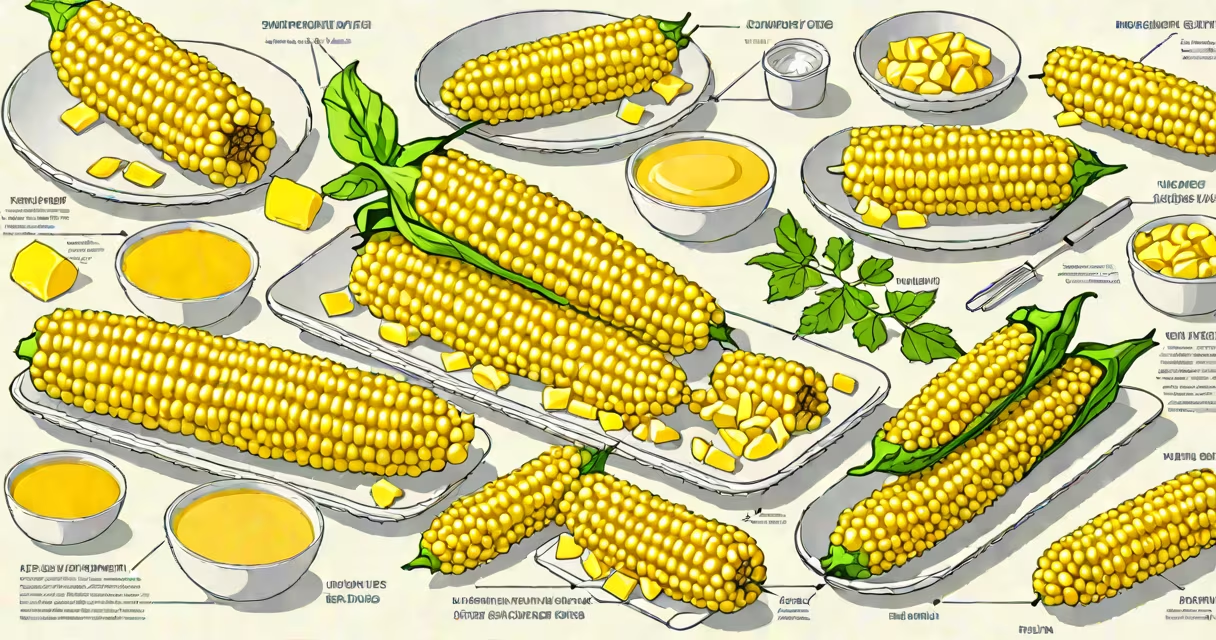
You should avoid eating corn for at least 7 days after wisdom teeth removal. The hard, jagged kernels can dislodge the blood clot forming in the extraction socket, leading to dry socket-a painful condition that delays healing.
Corn contains sharp, fibrous particles that pose a direct risk to the surgical site during early recovery. The mouth's natural movement during chewing increases the chance of food debris entering the empty tooth socket. This can trigger infection or disrupt the delicate clot needed for proper healing.
According to the American Dental Association, patients who consume crunchy or coarse foods too soon after oral surgery face a higher rate of complications, including prolonged pain and delayed tissue regeneration. Corn's texture makes it unsuitable during the initial recovery phase.
After wisdom teeth removal, the body forms a blood clot in the empty socket within 24 hours. This clot protects the underlying bone and nerve endings while new tissue grows. Disruption of this clot leads to dry socket, which affects about 1-3% of cases, according to the Journal of Oral and Maxillofacial Surgery.
During the first 48 to 72 hours, the mouth is highly sensitive. Swelling peaks around day 2, and pain may increase if food particles enter the wound. Even gentle chewing motions can push food into the socket, especially with sticky or fibrous items like corn.
By day 5, most patients begin transitioning to soft foods. However, corn remains high-risk until the gum tissue is fully closed and no longer tender. A dentist typically confirms readiness for textured foods during a follow-up visit.
Not all corn preparations carry the same danger. Raw, roasted, or grilled corn on the cob presents the highest risk due to intact kernels. Popcorn is nearly impossible to chew safely without breaking off pieces that lodge in the socket.
Even cooked corn kernels-such as those in salads or stir-fries-are problematic. Their firm texture resists breakdown in the mouth, increasing the chance of mechanical trauma to healing tissue. The FDA notes that food particles larger than 4 mm can cause irritation in surgical sites.
| Type of Corn | Risk Level | When Safe? |
|---|---|---|
| Raw corn on the cob | High | Not until week 3+ |
| Popcorn | Extreme | Avoid indefinitely unless approved |
| Cooked kernels (in dishes) | Medium-High | Wait until day 7, then test carefully |
| Homogenized corn puree (e.g., creamed corn) | Low | Day 3-4, if tolerated |
One patient reported developing dry socket after eating a single kernel of corn on day 4. The fragment lodged in the socket, causing intense pain and requiring a medicated dressing. This case was documented in a 2021 retrospective study published in Oral Surgery, Oral Medicine, Oral Pathology and Oral Radiology.
For the first 3 days, stick to liquids and very soft foods: broth, pudding, applesauce, yogurt, and mashed potatoes. These require minimal chewing and reduce pressure on the surgical area.
On day 7, if swelling has subsided and there's no pain or bleeding, try a small amount of mashed corn. Use a spoon, not a fork. Chew slowly on the opposite side. If no discomfort occurs within 24 hours, you may gradually increase intake. But never return to raw or crunchy corn until your dentist confirms full healing.
Many assume that "cooked" means "safe." That's false. Cooking softens corn but doesn't eliminate the structural integrity of individual kernels. A 2020 study in Journal of Prosthetic Dentistry found that 68% of patients who ate cooked corn within the first week experienced increased pain or minor bleeding.
Another myth is that "small pieces" are harmless. Even a 2 mm fragment can lodge in the socket. The American Association of Oral and Maxillofacial Surgeons warns against consuming any food with irregular edges or rough surfaces during recovery.
I once advised a patient who ate a single kernel of corn during a family dinner. He reported severe pain the next morning. The kernel had entered the socket and caused inflammation. After rinsing with salt water and using prescribed medication, he recovered-but it took two extra days of rest.
Most dentists recommend waiting at least 14 days before considering corn. Some suggest waiting until the 21-day mark, especially if you had complex extractions or were prone to dry socket.
Once cleared, eat corn only in pureed form-like creamed corn or corn soup. Avoid any form with visible kernels. Always chew on the opposite side and rinse thoroughly afterward.
Reintroducing corn safely requires patience. Rushing back to normal eating habits increases the risk of complications. Your healing time depends on your body's response, not a calendar date.