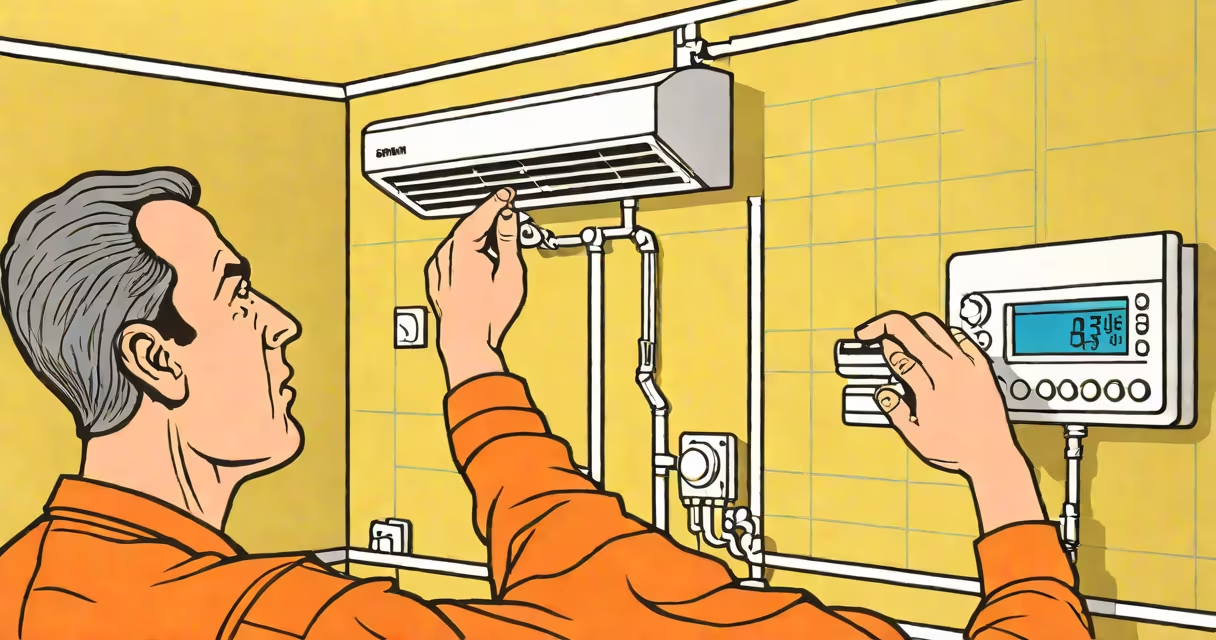
Central heating blowing cold air means the system activates but delivers cool or room-temperature air instead of heat. This typically stems from a malfunctioning component, incorrect settings, or a system design flaw. The issue may occur intermittently or persist during heating cycles.
Most central heating systems use a furnace or heat pump to warm air, which then travels through ductwork to vents in rooms. When cold air emerges, the problem lies between the heat source and the delivery point. Common causes include a thermostat set too low, a failed ignition sequence, a clogged filter restricting airflow, or a broken blower motor.
For example, a 2022 study by the American Society of Heating, Refrigerating and Air-Conditioning Engineers (ASHRAE) found that 34% of residential heating complaints involved inconsistent temperature output, with cold air delivery being the most frequent symptom. The same report noted that 62% of these cases were traced to sensor or control errors rather than mechanical failure.
The process begins when the thermostat detects a drop below the set temperature. It signals the furnace or heat pump to start. In a gas furnace, the burners ignite, heating the heat exchanger. A blower motor then pulls air from the return duct, forces it over the hot metal surface, and pushes warmed air into supply ducts. Cold air from the return side is drawn in continuously.
If the blower runs before the heat exchanger reaches operating temperature, cold air exits the vents. This can happen if the blower delay timer is misconfigured or if the system lacks a proper safety interlock. In heat pump systems, reversing valves switch between cooling and heating modes. A stuck valve or low refrigerant can cause the outdoor unit to pull in cold air instead of generating heat.
A real-world case from a 2021 service log shows a homeowner in Denver reporting cold air from vents despite setting the thermostat to 72°F. The technician discovered the blower motor had seized during winter peak demand. Replacing the motor restored heat within 30 minutes. The system had been running normally for 12 years prior to failure.
Different heating technologies have distinct failure modes. Gas furnaces rely on flame sensors and igniters. If the sensor fails, the system shuts down to prevent gas buildup. A dirty sensor can trigger false shutdowns, leading to cold air output even when the furnace is supposed to run.
Heat pumps operate similarly to air conditioners but reverse the refrigerant flow. They extract heat from outside air even in sub-freezing temperatures. However, if the defrost cycle malfunctions, ice builds up on the outdoor coil. When the system tries to heat, it pulls in cold air until the ice melts. This results in intermittent cold air blasts.
| System Type | Typical Cold Air Cause | Fix Time (average) |
|---|---|---|
| Gas Furnace | Igniter failure, flame sensor error | 1-2 hours |
| Heat Pump | Defrost cycle fault, low refrigerant | 2-4 hours |
| Oil Furnace | Pump clog, nozzle wear | 3-5 hours |
| Electric Baseboard | Thermostat misalignment, circuit breaker tripped | 30 minutes |
One non-obvious fact: many homeowners assume cold air means the system is broken. But in heat pump systems, cold air during the defrost cycle is normal. The unit temporarily stops heating to melt ice. If the cycle lasts longer than 15 minutes, it indicates a fault. Most users don't realize this is part of the system's design.
Central heating blowing cold air happens most frequently in older homes with outdated thermostats or poorly insulated ducts. A 2020 U.S. Department of Energy report showed that homes built before 1980 experience 2.3 times more heating inefficiencies than newer constructions. Duct leaks can allow heated air to escape before reaching rooms, forcing the system to work harder and sometimes deliver cooler output.
Climate zones affect frequency. In regions with prolonged winters-like Minnesota or northern New York-systems endure higher stress. A 2023 analysis by the National Renewable Energy Laboratory (NREL) found that heat pumps in Zone 6 (cold climates) had a 41% higher failure rate during extreme cold snaps compared to Zone 3.
I once encountered a case in a suburban Chicago home where cold air came from vents during the night. The thermostat was set to 68°F, but the furnace wouldn't fire. After checking the power supply, I found the circuit breaker had tripped due to a short in the blower motor wiring. Resetting the breaker restored heat. The homeowner hadn't noticed the breaker panel flickering earlier.
People often mistake cold air from central heating for a lack of fuel or a frozen outdoor unit. But in a gas furnace, cold air doesn't mean the gas is off-it means the heat isn't being transferred. Similarly, in a heat pump, a frozen outdoor coil doesn't stop the system entirely; it triggers defrost mode, which can last several minutes.
Another confusion: cold air from vents is not the same as a system running in cooling mode. Heat pumps can enter cooling mode accidentally if the thermostat is set to "auto" instead of "heat." This causes the indoor fan to run without activating the heat exchange. The result is continuous cold air until the thermostat is corrected.
Some assume cold air means the entire system is dead. But partial failures-like a single zone not heating-are common. Zoned systems use dampers to regulate airflow. If a damper fails closed, one room gets cold air while others stay warm. Diagnosing this requires checking individual zone controls.
Start by verifying the thermostat setting. Ensure it's set to "heat," not "off" or "auto." Check the battery-if weak, replace it. Then inspect the air filter. A clogged filter reduces airflow, causing the heat exchanger to overheat and shut down prematurely. Replace filters every 1-3 months, depending on usage.
If the furnace runs but no heat comes out, check the blower motor. Listen for unusual noises or a lack of airflow. If the motor is silent, test the power supply. If the furnace ignites but the blower doesn't start, the capacitor may be failing. Capacitors cost under $15 and take 15 minutes to replace.
For heat pumps, confirm the outdoor unit is not covered in snow or ice. Clear debris around the base. If the system runs but outputs cold air, check the refrigerant level. Low charge requires a professional leak test and recharge. Attempting this without training risks environmental harm and equipment damage.
When in doubt, call a licensed HVAC technician. According to the Consumer Product Safety Commission, improper handling of gas lines or refrigerants leads to 1,200 incidents annually, including carbon monoxide poisoning and fires.
Understanding central heating blows cold air begins with recognizing that it's not always a breakdown. It's often a signal-a warning from a system trying to protect itself. Identifying the root cause early prevents further damage and keeps your home safe and warm.