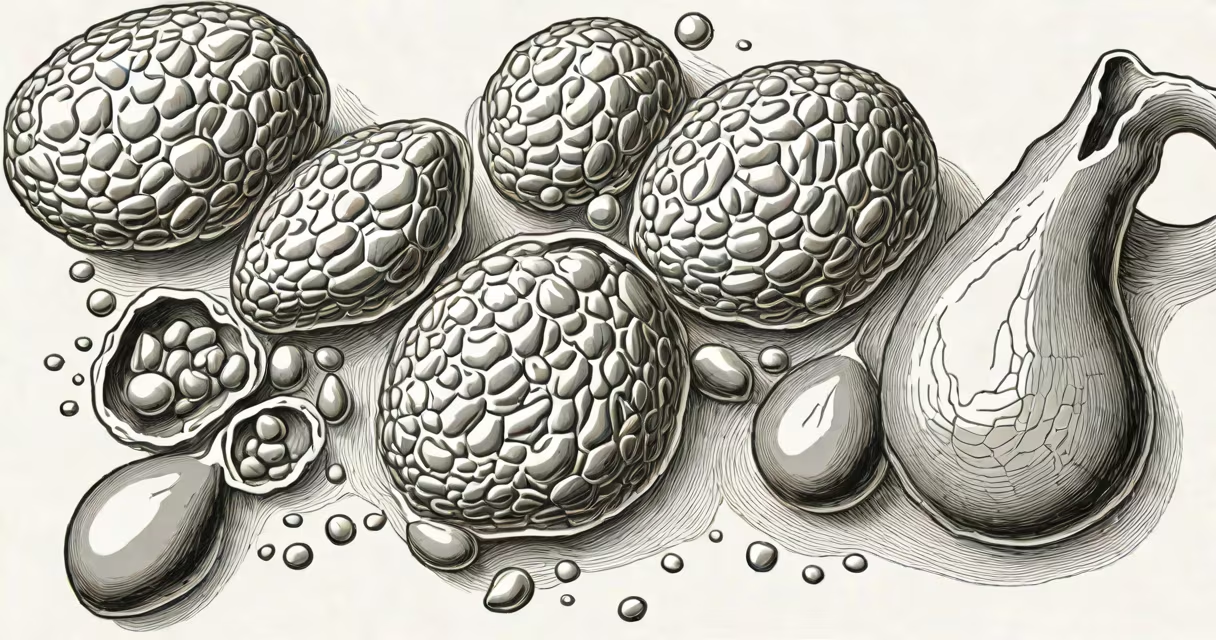
The most frequent cause of gallstones is supersaturated bile containing too much cholesterol, which crystallizes and forms solid particles in the gallbladder. This process occurs when the liver secretes more cholesterol than the bile can dissolve, leading to stone development over time.
Gallstones form when substances in bile-primarily cholesterol, bilirubin, or calcium salts-concentrate and precipitate. Cholesterol stones account for about 80% of all gallstones in the United States, according to the National Institute of Diabetes and Digestive and Kidney Diseases (NIDDK).
These stones grow slowly, often over months or years. They may remain asymptomatic for long periods. When they obstruct the cystic duct or common bile duct, they trigger pain, inflammation, or infection. The typical presentation is biliary colic-sudden, severe pain in the upper right abdomen lasting 30 minutes to several hours.
Bile is produced by the liver and stored in the gallbladder. Its primary function is to emulsify dietary fats during digestion. Bile contains water, electrolytes, cholesterol, bile acids, phospholipids, and bilirubin.
When the balance between cholesterol and bile acids is disrupted, cholesterol becomes insoluble. This imbalance leads to nucleation-the initial step where cholesterol molecules cluster into microscopic crystals. These crystals grow into larger structures called microliths, then stones.
A key factor is insufficient bile acid production. Bile acids act as detergents that keep cholesterol dissolved. If bile acid synthesis is low or bile acid pools are reduced, cholesterol precipitation accelerates. This mechanism is central to the pathogenesis of cholesterol stones.
Several conditions increase the likelihood of developing cholesterol gallstones:
One non-obvious factor is prolonged fasting. Extended periods without food reduce gallbladder emptying. Bile stagnates, allowing cholesterol to concentrate. Patients undergoing fasting for religious observances or medical procedures show increased gallstone incidence.
Gallstones fall into two main categories based on composition:
| Type | Composition | Prevalence | Key Cause |
|---|---|---|---|
| Cholesterol stones | 90% cholesterol, 10% other components | ~80% | Excess cholesterol in bile; impaired bile acid solubilization |
| Pigment stones | Primarily bilirubin and calcium salts | ~20% | Increased red blood cell breakdown (hemolysis), liver disease, or infections |
Cholesterol stones dominate in Western populations. Pigment stones are more common in Southeast Asia and among people with chronic hemolytic anemia, such as sickle cell disease.
Despite their different origins, both types can cause similar symptoms when they block ducts. However, pigment stones are denser and less likely to be detected by ultrasound due to poor acoustic reflection.
Many assume gallstones result from eating fatty meals alone. While a high-fat meal can trigger pain in someone with existing stones, it does not cause stone formation. The underlying issue is long-term imbalance in bile chemistry.
Another misconception is that gallstones always require surgical removal. Many people live with silent stones-those that never cause symptoms. The American College of Gastroenterology states that asymptomatic gallstones do not warrant treatment unless complications arise.
A 45-year-old woman presented with recurrent right upper quadrant pain after meals. She had gained 30 pounds over two years while using a fad diet that restricted protein and eliminated whole grains. Her lab tests showed elevated triglycerides and borderline high cholesterol.
An abdominal ultrasound revealed multiple gallstones, ranging mm. No obstruction was seen. She reported no prior episodes of jaundice or fever. After ruling out pancreatitis and hepatitis, her doctor diagnosed symptomatic cholesterol gallstones.
She underwent laparoscopic cholecystectomy. Pathology confirmed pure cholesterol stones. Her history of rapid weight gain and poor dietary habits aligned with known risk factors. Post-op recovery was uneventful.
This case illustrates that gallstone formation is multifactorial. Diet, weight fluctuations, and metabolic health interact over time to disrupt bile homeostasis.
Pain lasting longer than 6 hours, fever, jaundice (yellowing of skin or eyes), or dark urine suggest complications such as cholangitis or pancreatitis. These require urgent evaluation.
Do not assume all abdominal pain stems from gallstones. Conditions like peptic ulcer disease, gastritis, or irritable bowel syndrome mimic biliary symptoms. Accurate diagnosis relies on imaging and clinical context.
Maintaining a healthy weight through balanced nutrition reduces risk. Diets rich in fiber, monounsaturated fats (like olive oil), and omega-3 fatty acids support bile health. Avoiding crash diets is critical.
Regular physical activity improves insulin sensitivity and lowers triglyceride levels-both protective against gallstone formation. A 2019 meta-analysis in European Journal of Clinical Nutrition linked moderate exercise to a 25% lower incidence of gallstones.
For individuals with high-risk profiles, monitoring via ultrasound may be advised. However, routine screening is not recommended for the general population due to low yield and potential for unnecessary intervention.
Understanding the root cause-cholesterol overload in bile-allows targeted prevention. Addressing modifiable factors like diet, weight, and lifestyle reduces long-term burden.