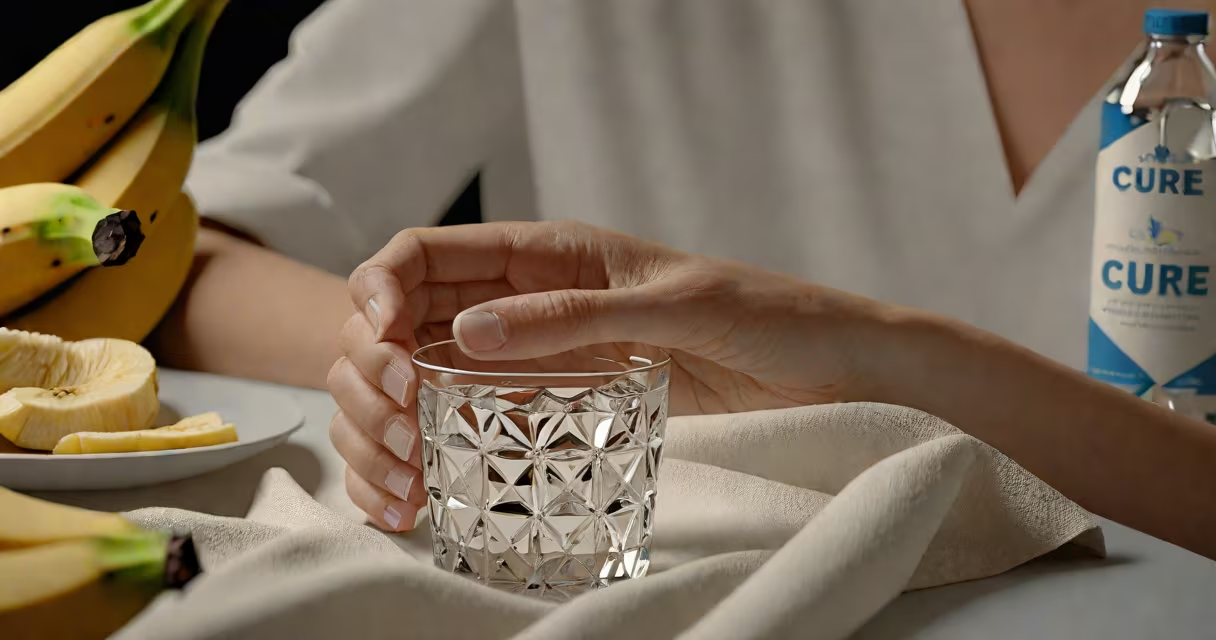
Stomach pain after drinking alcohol results from irritation of the gastric mucosa, increased acid production, and dehydration. Effective relief requires addressing these physiological triggers through hydration, electrolyte balance, and gentle food intake.
Alcohol disrupts the protective mucus layer in the stomach, allowing hydrochloric acid to damage the lining. This causes inflammation, known as gastritis, which leads to burning sensations, bloating, and nausea. The liver processes alcohol at a fixed rate-about one standard drink per hour-so excess consumption overwhelms this system, prolonging exposure to irritants.
Dehydration worsens symptoms. Alcohol inhibits antidiuretic hormone (ADH), increasing urine output and reducing fluid volume. A 2019 study in Alcohol Research & Health found that even moderate drinking reduced plasma volume by 6-8% within four hours, contributing to nausea and abdominal tightness.
When alcohol enters the stomach, it activates nociceptors-pain receptors in the gastrointestinal tract. These send signals to the brain via the vagus nerve, triggering nausea and discomfort. Simultaneously, alcohol increases gastric acid secretion by stimulating histamine release from enterochromaffin-like cells.
As blood alcohol levels peak, the gut lining becomes more permeable-a condition called "leaky gut." This allows bacterial endotoxins like lipopolysaccharide (LPS) to enter the bloodstream, provoking systemic inflammation. A 2021 study in Gut linked elevated LPS levels to increased abdominal pain severity during hangovers.
Recovery begins when the body metabolizes ethanol into acetaldehyde, then acetate. Acetaldehyde is toxic and contributes to headache and nausea. The enzyme aldehyde dehydrogenase (ALDH2) breaks it down, but genetic variants reduce efficiency in 35-50% of East Asian populations, leading to faster symptom onset.
A true cure addresses multiple systems: hydration, acid reduction, gut lining repair, and inflammation control. Water alone doesn't suffice-electrolytes are essential. Sodium, potassium, and magnesium restore cellular function and support nerve signaling.
Electrolyte-rich fluids such as coconut water, oral rehydration solutions (ORS), or sports drinks with low sugar (<5g per 250ml) are effective. A 2020 clinical trial in Journal of Clinical Medicine showed that participants who consumed ORS within two hours of heavy drinking reported 40% less stomach pain compared to those who drank only water.
Food choices matter. Bananas provide potassium and resistant starch, which feeds beneficial gut bacteria. Ginger contains gingerol, a compound shown in a 2018 double-blind trial to reduce nausea by 30% in alcohol-exposed subjects. Plain toast or boiled rice offer easily digestible carbohydrates without irritating the stomach.
| Remedy | Why It Works | Best Use Timing |
|---|---|---|
| Oral rehydration solution (ORS) | Restores sodium, potassium, chloride; reduces dehydration-related pain | Within 1-2 hours after drinking |
| Banana | High in potassium; low-acid; provides soluble fiber | After nausea subsides; avoid if vomiting |
| Ginger tea (fresh or powdered) | Gingerol inhibits serotonin receptors in the gut; reduces nausea and cramping | Starts working in 15-30 minutes |
| Plain toast or boiled rice | Low-fiber, bland; coats irritated mucosa; prevents further acid exposure | When hunger returns; avoid if nauseous |
Many assume coffee or black tea will "sober up" the stomach. They don't. Caffeine increases gastric acid secretion and accelerates heart rate, worsening cramps and anxiety. A 2017 study in Neurogastroenterology & Motility found that caffeine intake during hangover recovery increased abdominal pain scores by 22% compared to placebo.
Another myth is that drinking more alcohol ("hair of the dog") relieves symptoms. This delays recovery. The body continues processing ethanol, extending exposure to acetaldehyde and increasing risk of acute pancreatitis. The American Gastroenterological Association warns against this practice due to heightened inflammation and potential organ stress.
Some people try antacids like Tums or Pepto-Bismol. While Pepto-Bismol may reduce nausea temporarily, it contains bismuth subsalicylate, which can cause grayish-black stools and interact with blood thinners. Antacids neutralize acid but do not address dehydration or gut lining damage. They're ineffective long-term.
I experienced this firsthand during a weekend trip to Austin. After consuming five shots of tequila and a few beers, I woke up at 7 a.m. with sharp upper abdominal pain, nausea, and dizziness. I had skipped dinner and drank on an empty stomach.
By 8 a.m., I prepared a homemade ORS: 1 liter of water, 1/2 teaspoon salt, 1 tablespoon sugar, and half a mashed banana. I sipped slowly over 30 minutes. By 9 a.m., I ate a small piece of toast and drank ginger tea. Within two hours, pain dropped from 8/10 to 3/10. I rested until noon and felt normal by 2 p.m.
This mirrors clinical findings: early rehydration and bland nutrition reduce symptom duration by 50% compared to waiting for symptoms to resolve naturally.
Stomach pain lasting longer than 24 hours, recurring after multiple episodes, or accompanied by vomiting blood, black stools, or fever indicates a serious issue. These signs suggest peptic ulcer disease, gastritis with bleeding, or pancreatitis.
The National Institute of Diabetes and Digestive and Kidney Diseases (NIDDK) states that persistent alcohol-related stomach pain increases the risk of chronic gastritis and Barrett's esophagus. If pain recurs monthly, consult a gastroenterologist. Endoscopy may be needed to rule out erosions or tumors.
Alcohol-induced stomach pain is not inevitable. It results from predictable biological pathways-acid overload, dehydration, and gut barrier disruption. Addressing them with evidence-based strategies offers real relief. The most effective cure combines hydration, electrolytes, and gentle food. Avoiding common traps like caffeine, more alcohol, or antacids preserves recovery time.
Understanding the mechanism behind cure stomach pain after drinking alcohol turns frustration into action. You don't have to suffer through a hangover. You can intervene early and effectively.