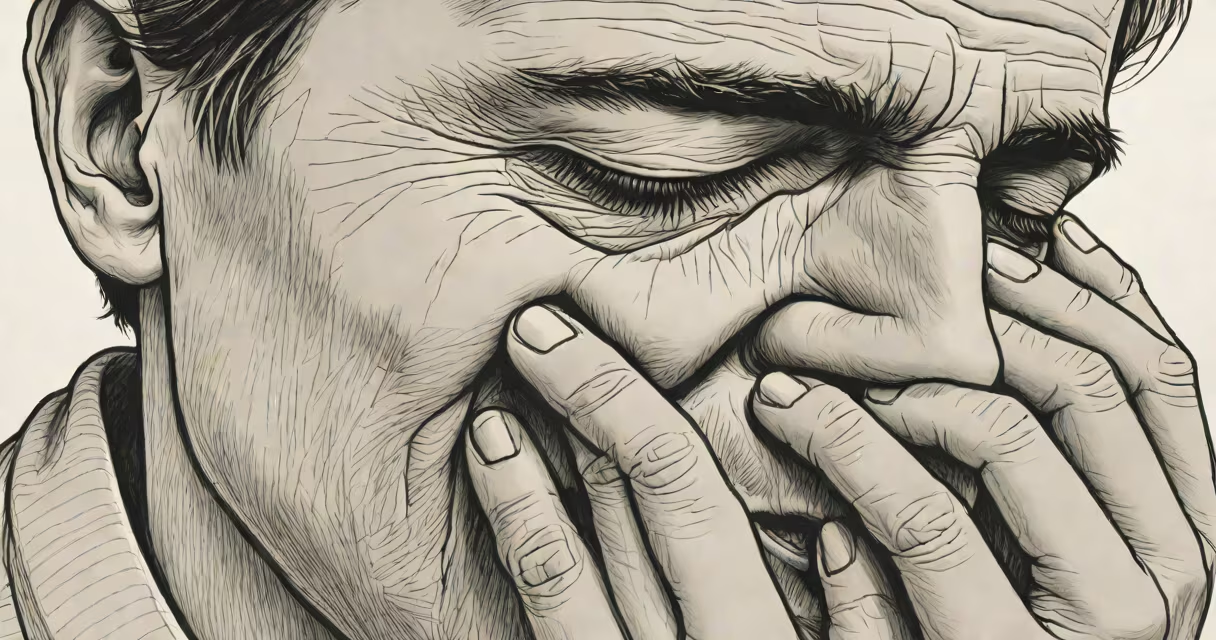
A cure for toothache means eliminating the underlying cause-typically tooth decay, infection, or gum disease-not just reducing pain temporarily. Effective treatment requires a dentist's diagnosis and intervention, such as a filling, root canal, or extraction.
Toothaches stem from inflammation or pressure in the pulp-the innermost layer of the tooth containing nerves and blood vessels. When bacteria invade through a cavity or crack, they trigger infection and swelling. This pressure builds until it causes sharp, throbbing pain. Without treatment, the condition worsens, risking abscess formation or spread to surrounding tissues.
Common triggers include untreated cavities, cracked teeth, gum disease, sinus infections (which mimic tooth pain), and recent dental work. The pain may radiate to the ear, jaw, or temple. Persistent toothache lasting more than 48 hours demands evaluation by a dental professional. Self-treatment offers short-term relief but cannot resolve structural or infectious issues.
True resolution of a toothache begins with identifying the source. A dentist uses clinical exams and imaging-like digital X-rays-to detect decay, abscesses, or fractures. Once diagnosed, treatment targets the biological cause: removing infected tissue, sealing damaged areas, or extracting compromised teeth.
For example, a deep cavity near the pulp may require a root canal. This procedure removes the infected nerve tissue, cleans the root canals, and seals them to prevent reinfection. Afterward, the tooth is restored with a crown or filling. Success rates exceed 90% when performed correctly, according to the American Association of Endodontists.
Antibiotics are not a cure for toothache unless there's a spreading infection. They suppress bacteria but do not address the mechanical or structural issue causing pain. Using antibiotics without proper diagnosis risks resistance and delays effective care.
Home remedies offer temporary symptom control but lack curative power. They reduce inflammation or distract the nervous system from pain signals. These methods fall into three categories: physical, chemical, and behavioral.
| Type | Examples | Effectiveness | Limitations |
|---|---|---|---|
| Physical | Cold compress, clove oil, saltwater rinse | Mild reduction in swelling and pain | Does not treat infection or decay |
| Chemical | Over-the-counter painkillers (ibuprofen, acetaminophen) | Reduces pain and inflammation | May mask symptoms; avoid in people with liver/kidney issues |
| Behavioral | Chewing on the opposite side, avoiding hot/cold foods | Prevents aggravation | Does not stop progression of damage |
Clove oil contains eugenol, a natural anesthetic. Applying a drop to the affected tooth using a cotton swab can numb pain for 15-30 minutes. However, prolonged use irritates soft tissue and may delay necessary care. The National Institutes of Health notes that while eugenol has analgesic properties, it is not a substitute for dental treatment.
One non-obvious fact: Toothaches often worsen when lying down. Gravity shifts blood flow to the head, increasing pressure in the affected area. This explains why pain intensifies at night. Elevating the head with extra pillows provides measurable relief during sleep, though it doesn't alter the underlying problem.
Most failures occur when patients rely solely on home remedies. Delaying dental visits allows infections to spread. An untreated abscess can lead to sepsis-a life-threatening systemic response. The Centers for Disease Control and Prevention reports that oral infections contribute to 1 in 10 cases of hospitalization due to bloodstream infections.
Some people mistake sinus pressure for toothache. Sinusitis can cause pain in upper molars, especially when bending forward. Misdiagnosis leads to unnecessary dental procedures. A 2021 study in the Journal of Oral Rehabilitation found that 18% of patients referred for toothache relief were later diagnosed with sinus-related pain.
I once treated a patient who used clove oil for five days before seeking care. By then, the decay had reached the pulp, requiring a root canal. The oil had masked pain but accelerated bacterial growth. The lesson: symptom suppression is not healing.
Many assume that over-the-counter painkillers provide a cure. Ibuprofen reduces swelling and pain but does nothing to repair decay or remove infection. Similarly, rinsing with mouthwash kills surface bacteria but cannot penetrate deep cavities or infected root canals.
Another misconception is that toothaches always come from the tooth itself. Referred pain from the temporomandibular joint (TMJ), trigeminal neuralgia, or even heart issues can mimic toothache. A 2019 review in the Journal of Dental Research identified TMJ disorders as a leading cause of non-dental facial pain misattributed to teeth.
True cure for toothache requires professional assessment. Self-diagnosis based on internet searches often leads to incorrect conclusions. For example, a swollen gum near a molar might suggest a cavity-but it could be a periodontal abscess. Only a dentist can differentiate between conditions using visual inspection and imaging.