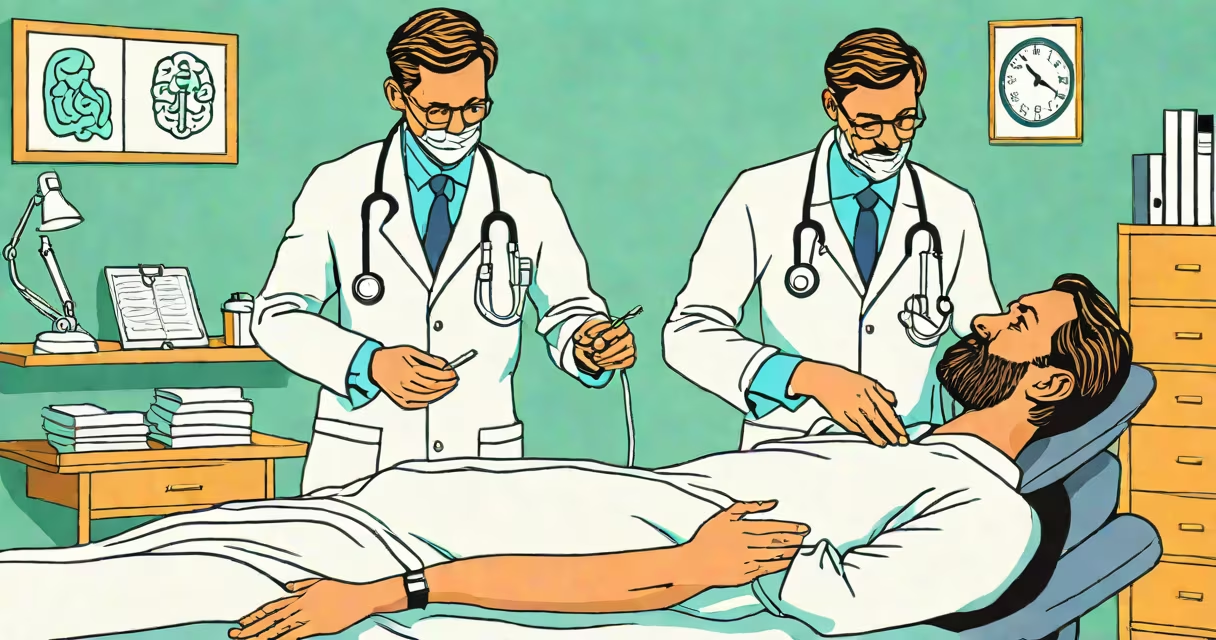
A doctor of osteopathy (DO) is a licensed physician who practices allopathic medicine with additional training in osteopathic manipulative treatment (OMT), focusing on the musculoskeletal system and complete patient care. DOs complete four years of medical school, pass national licensing exams, and complete residency training-just like MDs-but their education emphasizes prevention, patient-centered care, and the body's innate ability to heal.
DOs treat patients across all specialties, including primary care, surgery, psychiatry, and pediatrics. They are fully licensed to prescribe medication, perform surgery, and practice independently. The American Osteopathic Association (AOA) reports over 160,000 DOs currently practicing in the U.S., with nearly half working in primary care fields such as family medicine and internal medicine.
Osteopathic medicine originated in 1874 when Andrew Taylor Still founded the discipline based on the principle that the body functions as a unit and that structure influences function. Today, DOs receive training in osteopathic manipulative treatment (OMT), a hands-on technique used to diagnose, treat, and prevent illness or injury. OMT involves applying pressure, stretching, and resistance to manipulate muscles and joints.
DOs attend osteopathic medical schools accredited by the Commission on Osteopathic College Accreditation (COCA). These programs require four years of study following a bachelor's degree. The curriculum includes foundational sciences, clinical rotations, and OMT training. Students spend at least 200 hours learning OMT techniques during their medical education.
After graduation, DOs enter residency programs-typically lasting three to five years-where they gain supervised clinical experience. Residency match rates for DOs have risen steadily; in 2023, 94% of DO graduates matched into residency programs, according to the National Board of Medical Examiners (NBME).
During residency, DOs rotate through various departments-internal medicine, obstetrics and gynecology, pediatrics, psychiatry, and surgery. This broad exposure prepares them to manage complex cases and coordinate care across specialties. Many DOs choose primary care due to the emphasis on preventive health and long-term patient relationships.
DOs practice in all major medical fields. The most common specialties include:
| Specialty | Percentage of DOs | Key Responsibilities |
|---|---|---|
| Family Medicine | 28% | Provide ongoing care for individuals and families across all ages; focus on prevention and wellness. |
| Internal Medicine | 21% | Treat chronic conditions like diabetes, hypertension, and heart disease; manage complex medical issues. |
| Surgery | 12% | Perform operations, manage surgical patients, and lead recovery teams. |
| Pediatrics | 8% | Care for infants, children, and adolescents; monitor growth and development. |
| Psychiatry | 5% | Diagnose and treat mental health disorders using therapy and medication. |
While DOs are represented across all specialties, they are overrepresented in primary care. A 2022 report from the American Osteopathic Association found that DOs make up 15% of all physicians but account for 23% of primary care providers in underserved areas.
Despite shared licensing requirements and clinical training, DOs and MDs are often misunderstood as different in quality or capability. The reality is that both are fully licensed physicians with equal rights to practice medicine, prescribe drugs, and perform surgery.
The core difference lies in philosophy and training. MDs follow a traditional biomedical model focused on diagnosing and treating disease. DOs integrate a complete approach that considers physical, emotional, and environmental factors affecting health. This perspective leads many DOs to prioritize lifestyle changes, stress reduction, and patient education as part of treatment plans.
A common misconception is that DOs cannot pursue competitive specialties like neurosurgery or dermatology. This is false. In 2023, 1,400 DOs entered competitive residencies, including orthopedic surgery, radiology, and ophthalmology. The American Association of Colleges of Osteopathic Medicine (AACOM) confirms that DOs are now accepted into all ACGME-accredited residency programs.
Another misunderstanding is that OMT is used in every visit. In reality, only about 30% of DOs regularly use OMT in outpatient settings. Most apply it selectively-such as for back pain, headaches, or sports injuries-based on patient need and clinical judgment.
In 2021, I observed a DO in a rural family clinic in eastern Washington. She treated a 45-year-old woman with chronic lower back pain unresponsive to NSAIDs. After a physical exam, she performed OMT, applying gentle pressure to the lumbar spine and sacroiliac joints. Over three sessions, the patient reported a 60% reduction in pain and improved mobility.
The DO also recommended dietary changes and daily stretching, which the patient adopted. Six months later, she returned with no pain and reduced reliance on medication. This case illustrates how DOs combine pharmacological treatment with manual therapy and lifestyle counseling-a model rooted in prevention and patient autonomy.
I once visited a DO for persistent shoulder stiffness after a minor fall. While an MD might have ordered an MRI and prescribed anti-inflammatory medication, my DO asked about sleep patterns, work posture, and recent stress levels. She then applied OMT to release tight fascia around the scapula and advised ergonomic adjustments at my desk.
Within two weeks, my range of motion improved. The DO didn't dismiss my symptoms as "just muscle strain"-she treated me as a whole person. That experience clarified why DOs emphasize systems thinking: health isn't isolated to organs or symptoms but reflects daily habits, environment, and emotional state.
DOs are increasingly sought in community health centers, rural clinics, and federally qualified health centers (FQHCs). Their training in preventive care and patient communication makes them effective in managing high-risk populations with limited access to specialists.
For example, a 2020 study published in the Journal of the American Osteopathic Association found that DO-led clinics had higher patient satisfaction scores and lower rates of hospital readmission compared to MD-led clinics in similar communities. Patients cited better listening skills and longer appointment times as key reasons.
DOs also play a growing role in public health. During the 2020 pandemic, many DOs volunteered in mobile testing units and vaccination clinics, particularly in minority and low-income neighborhoods. Their emphasis on community engagement and trust-building helped improve vaccine uptake in hard-to-reach populations.
A doctor of osteopathy (DO) is a fully licensed physician who uses evidence-based medicine alongside osteopathic principles. They do not replace MDs-they offer a complementary model focused on prevention, whole-person care, and patient empowerment. The term "DO" refers to the degree earned, not a separate category of healthcare provider.
When choosing a doctor, consider the individual's training, bedside manner, and specialty-not whether they hold an MD or DO degree. Both are equally qualified to deliver high-quality care. For those seeking a physician who values long-term wellness and integrative approaches, a DO may be a strong fit.
Understanding the role of a doctor of osteopathy (DO) helps clarify misconceptions and supports informed healthcare decisions. Whether managing chronic illness or supporting healthy aging, DOs contribute meaningfully to patient outcomes across diverse settings.
See how engineering degrees differ from medical training