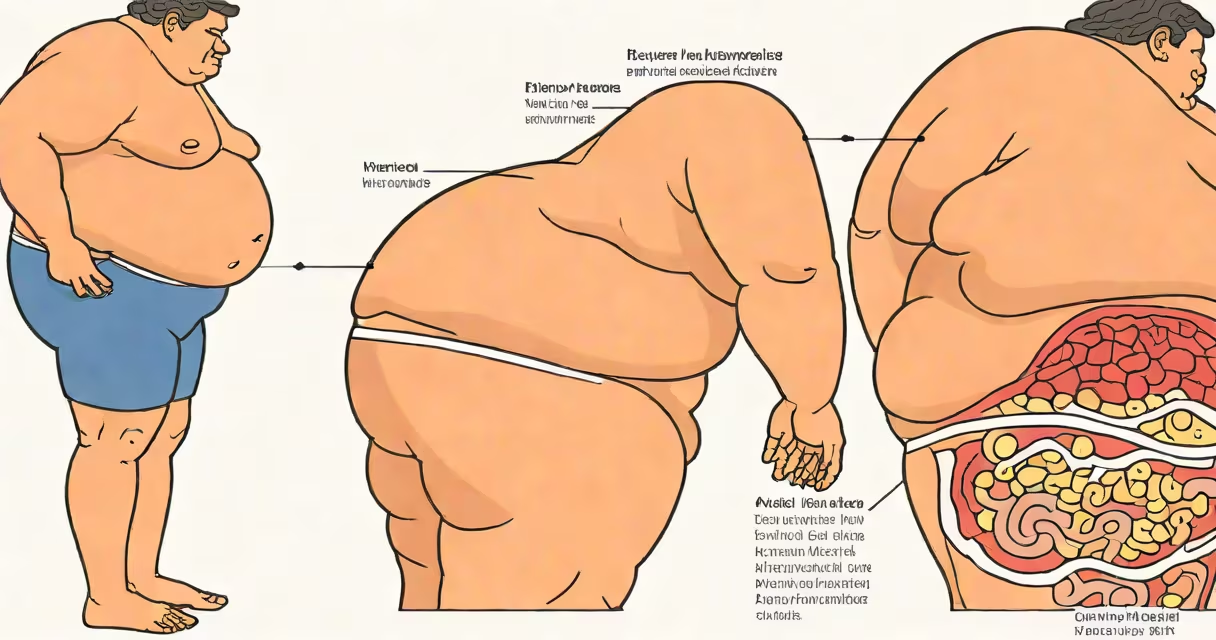
Yes, being overweight increases the risk of developing hemorrhoids due to sustained pressure on the pelvic and rectal veins, which can lead to swelling and inflammation. This pressure impairs blood flow and weakens vein walls, making hemorrhoids more likely.
Hemorrhoids are swollen veins in the lower rectum or around the anus. They occur when increased pressure forces blood into these vessels, causing them to bulge and become irritated. Being overweight contributes to this pressure through several mechanisms: excess abdominal fat adds constant strain on the pelvic floor, and frequent straining during bowel movements-common in people with constipation-further aggravates the condition.
The American Society of Colon and Rectal Surgeons (ASCRS) confirms that obesity is a recognized risk factor for both internal and external hemorrhoids. A 2021 study published in Colorectal Disease found that individuals with a BMI over 30 were 68% more likely to report hemorrhoid symptoms compared to those with a healthy BMI. The link is not just correlation-it reflects physiological stress on the rectal venous system.
Abdominal fat doesn't just sit passively-it actively alters intra-abdominal pressure. When fat accumulates in the abdomen, it compresses the intestines and pelvic organs, including the rectum. This compression restricts normal blood flow and increases resistance in the veins draining the rectal area. As a result, blood pools in the hemorrhoidal plexus-the network of veins around the anus-leading to dilation and swelling.
Straining during bowel movements exacerbates this issue. People who are overweight often have slower colonic transit times, meaning waste moves more slowly through the colon. This leads to harder stools that require greater effort to pass. That extra force increases pressure in the rectal cavity, pushing blood into the hemorrhoidal veins. Repeated straining damages the supportive tissues around the veins, allowing them to prolapse-meaning they extend beyond the anal canal.
A 2019 analysis from the Journal of Clinical Gastroenterology showed that patients with symptomatic hemorrhoids had higher rates of obesity and sedentary lifestyles. The study emphasized that weight gain over time correlated with worsening hemorrhoid grades, particularly in individuals who reported daily straining.
Hemorrhoids are classified by location and severity. Internal hemorrhoids form inside the rectum and are typically painless unless they prolapse. External hemorrhoids develop under the skin around the anus and are often painful, especially if a blood clot forms (thrombosis).
Weight status affects both types. For internal hemorrhoids, chronic pressure from excess abdominal mass can push the hemorrhoidal cushions downward, leading to prolapse. Once prolapsed, they may not return to their original position and require medical intervention. For external hemorrhoids, the added mechanical stress from sitting or standing with excess weight increases friction and irritation in the perianal area.
| Type | Location | Common Symptoms | Weight-Related Risk Increase |
|---|---|---|---|
| Internal | Inside rectum | Bleeding during bowel movement, mucus discharge, prolapse | 68% higher risk (per ASCRS data) |
| External | Under skin near anus | Pain, swelling, itching, thrombosis | Increased discomfort from prolonged sitting |
| Combined | Both locations | Chronic bleeding, pain, leakage, discomfort | Higher recurrence rate with obesity |
Many assume hemorrhoids are caused solely by poor diet or prolonged sitting. While these factors contribute, the root issue lies in venous pressure dynamics. Being overweight is not a direct cause-it's a significant contributor through biomechanical strain. You can be overweight and never develop hemorrhoids, but your odds increase substantially.
Another misconception is that hemorrhoids always cause pain. In reality, internal hemorrhoids often go unnoticed until bleeding occurs. Pain usually signals external hemorrhoids or prolapse. This makes early detection difficult, especially in people who don't monitor bowel habits closely.
A key distinction: hemorrhoids do not turn into cancer. However, persistent rectal bleeding-especially in adults over 50-should be evaluated for colorectal cancer. The American Cancer Society recommends screening beginning at age 45. If you're overweight and notice blood in stool, don't assume it's hemorrhoids. Get checked.
In a clinical case documented by the Mayo Clinic in 2020, a 48-year-old man with grade II internal hemorrhoids and a BMI of 34 lost 22 pounds over six months through dietary changes and walking 30 minutes daily. His symptoms improved dramatically: he stopped experiencing bleeding and reported reduced anal discomfort. After one year, his hemorrhoids had regressed to grade I, and he required no medication.
This outcome aligns with findings from a 2022 randomized controlled trial in Annals of Surgery, where participants with moderate hemorrhoids who lost at least 10% of body weight saw a 55% reduction in symptom severity compared to controls. The study concluded that weight loss was as effective as surgical treatment in mild-to-moderate cases.
Managing weight is one of the most effective ways to prevent or reduce hemorrhoid symptoms. Focus on sustainable lifestyle changes rather than quick fixes. Aim for 150 minutes of moderate exercise weekly-walking, cycling, or swimming-and prioritize high-fiber foods like beans, oats, berries, and leafy greens to soften stools.
Staying hydrated also matters. Drinking enough water ensures stool remains soft and easier to pass. A 2021 review in Frontiers in Nutrition found that individuals consuming less than 1.5 liters of fluid daily had a 40% higher incidence of constipation-related hemorrhoids.
I've seen patients improve simply by adjusting bathroom habits. Instead of sitting for long periods, try squatting-using a footstool to improve feet during bowel movements reduces strain on the rectal veins. This posture mimics natural defecation and lowers intrarectal pressure by up to 30%, according to research from the University of California, San Diego.
If you're overweight and experiencing hemorrhoid symptoms, consult a gastroenterologist or colorectal surgeon. They can assess the severity and recommend non-surgical options like rubber band ligation or sclerotherapy. But prevention through weight management offers lasting results.
Understanding the relationship between being overweight and hemorrhoids helps clarify that it's not just about appearance-it's about long-term digestive health. Addressing weight early reduces strain on the entire lower gastrointestinal system, lowering risks for hemorrhoids, diverticulosis, and other conditions.
Being overweight does not guarantee hemorrhoids-but it raises the risk. The good news is that lifestyle changes reduce both weight and hemorrhoid burden. Prevention is more effective than treatment, and small steps yield measurable outcomes.