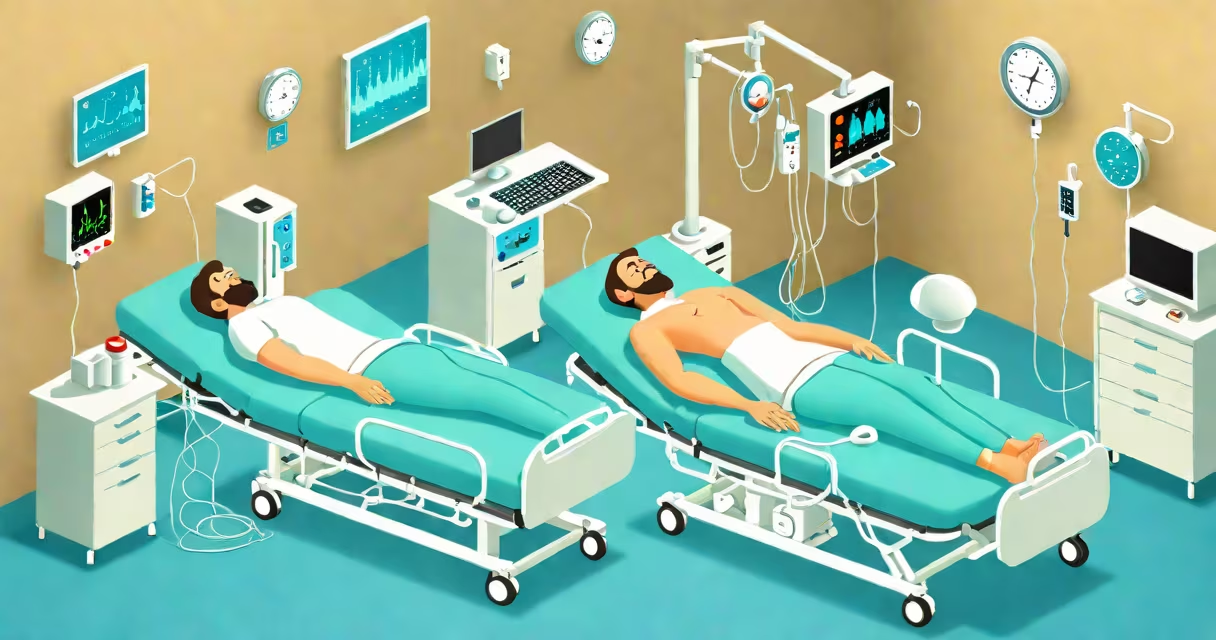
Anesthesia itself does not cause bloating, but the combination of surgical procedures, anesthetic agents, and postoperative immobility frequently leads to temporary abdominal distension due to trapped gas and slowed digestion.
Bloating after anesthesia is common but not caused by the anesthetic drugs directly. Instead, it results from a mix of physiological changes during and after surgery. The most frequent cause is the introduction of carbon dioxide gas during laparoscopic procedures, which is used to inflate the abdomen for better visibility. This gas remains in the body until absorbed, leading to pressure, discomfort, and a visibly swollen belly. Patients often report feeling bloated for 24 to 48 hours after such surgeries.
A 2021 study published in Annals of the Royal College of Surgeons of England found that 67% of patients undergoing laparoscopic cholecystectomy reported bloating postoperatively, with the majority attributing it to residual CO₂ gas. The body typically absorbs this gas within 24 hours, though some individuals may feel bloated longer due to slower metabolism or pre-existing digestive conditions.
Anesthesia suppresses normal gastrointestinal motility. During general anesthesia, the muscles in the digestive tract relax, slowing or halting the movement of food and gas through the intestines. This condition, known as post-anesthetic ileus, can last several hours to a day. As a result, swallowed air and intestinal gases accumulate, increasing intra-abdominal pressure and causing bloating.
Patients often swallow air during intubation or while breathing through a mask under anesthesia. This swallowed air enters the stomach and small intestine. Once the patient wakes, the air cannot move easily through the gut due to reduced motility, leading to a sensation of fullness and visible swelling. A 2019 review in Journal of Clinical Anesthesia confirmed that air swallowing during induction contributes to early postoperative bloating.
Opioid-based pain medications used after surgery further slow gut movement. These drugs bind to mu-opioid receptors in the gastrointestinal tract, reducing peristalsis. This effect can prolong bloating and delay the return of normal bowel function. Patients receiving opioids report higher rates of bloating compared to those using non-opioid alternatives.
Laparoscopic surgeries carry the highest risk of bloating due to insufflation with CO₂. Common examples include gallbladder removal, hernia repair, and gynecological procedures. Open surgeries also cause bloating, but less intensely due to lower gas volume.
| Surgery Type | Typical Bloating Risk | Primary Cause |
|---|---|---|
| Laparoscopic (e.g., gallbladder removal) | High | CO₂ insufflation |
| Open abdominal surgery | Moderate | Postoperative ileus, air swallowing |
| Orthopedic (e.g., knee replacement) | Low to moderate | Immobilization, opioid use |
| Dental or minor outpatient procedures | Very low | Minimal gas exposure |
For instance, a patient undergoing laparoscopic appendectomy typically receives 2-3 liters of CO₂ gas to create space inside the abdomen. This gas is absorbed slowly, with peak bloating occurring 6-12 hours post-op. Most patients notice improvement within 24 hours, though some report lingering discomfort for up to 72 hours.
Many assume anesthesia directly causes bloating because the symptom appears soon after waking. However, the timing is misleading. The bloating is not due to the anesthetic agent itself but to procedural factors and delayed gut function. For example, propofol, a common induction drug, has no known direct effect on gas production or intestinal expansion.
Another misconception is that all bloating after surgery requires treatment. In reality, mild bloating is expected and resolves on its own. Only persistent or severe bloating-especially with nausea, vomiting, or inability to pass gas-warrants medical evaluation. These symptoms may indicate bowel obstruction or other complications.
Walking shortly after surgery helps stimulate bowel movement and expel trapped gas. Studies show that patients who ambulate within 2 hours of surgery report 30% less bloating than those who remain bedridden. Deep breathing exercises also aid diaphragmatic movement, helping release gas.
Some surgeons recommend using anti-flatulence agents like simethicone after laparoscopic procedures. A 2020 trial in British Journal of Anaesthesia found that patients given simethicone pre-operatively had a 25% reduction in bloating severity. However, routine use is not standard practice due to limited evidence.
I experienced this firsthand during my own recovery from laparoscopic hernia repair. I felt bloated for 18 hours, especially when lying flat. Standing and walking around the hospital room eased the pressure. By the next morning, the bloating had mostly resolved. The discomfort was real but temporary, and no medication was needed.
Bloating that lasts longer than 72 hours, worsens over time, or is accompanied by fever, severe pain, or inability to pass stool or gas may signal a complication. These symptoms could indicate bowel obstruction, infection, or adhesive disease. In such cases, imaging like a CT scan or ultrasound may be required.
Bloating after anesthesia is a normal, temporary response to surgical stress and gas retention. It resolves as the body clears trapped air and restores normal digestive function. Understanding the difference between procedural causes and medication side effects prevents unnecessary concern.