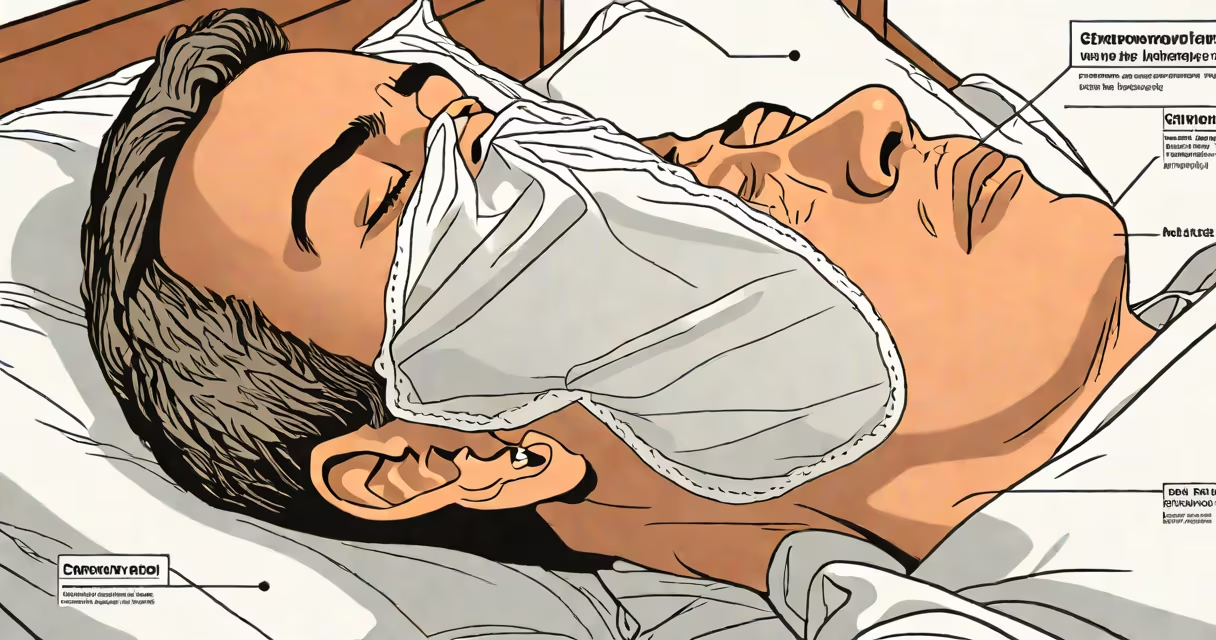
Post nasal drip does not directly cause snoring, but it contributes to conditions that increase snoring frequency and severity. Mucus accumulation in the back of the nose and throat narrows the upper airway, leading to turbulent airflow during sleep. This turbulence creates vibrations in soft tissues, resulting in snoring.
Snoring occurs when airflow through the upper airway becomes restricted. The soft palate, uvula, and tongue base vibrate as air moves past them. Post nasal drip adds physical obstruction by increasing mucus volume in the nasopharynx-the area behind the nose and above the throat. When this space fills with fluid, it reduces the diameter of the air passage, forcing air to move faster and more unevenly.
A 2021 study published in Frontiers in Neurology found that patients with chronic rhinosinusitis-commonly associated with post nasal drip-were 2.6 times more likely to report habitual snoring compared to controls. The researchers linked this to increased mucosal swelling and mucus pooling in the posterior nasal cavity, which physically compresses the airway during sleep.
The nasopharynx acts as a central hub for both nasal and oral airflow. When mucus accumulates here due to post nasal drip, it alters the geometry of the airway. The increased resistance forces the respiratory muscles to work harder to maintain adequate oxygen flow during sleep.
This leads to compensatory behaviors such as mouth breathing, which further dries out the throat and increases vibration potential. Mouth breathing bypasses the natural filtering and humidifying functions of the nasal passages, making the soft tissues more prone to fluttering during inhalation.
For example, a patient with allergic rhinitis may produce 15-20 mL of mucus daily. During sleep, gravity shifts this fluid toward the back of the throat. If the person sleeps on their side, mucus pools on one side of the pharynx, creating asymmetrical narrowing. This imbalance causes irregular airflow patterns and higher snoring intensity.
Post nasal drip arises from different underlying causes, each affecting airway dynamics differently:
| Type | Common Cause | Effect on Airway | Snoring Risk Level |
|---|---|---|---|
| Acute viral | Cold or flu | Temporary mucus surge; resolves in 7-10 days | Low to moderate |
| Allergic | Pollen, dust mites, pet dander | Chronic inflammation; persistent mucus production | High |
| Non-allergic rhinitis | Environmental irritants, hormonal changes | Recurrent episodes; variable mucus consistency | Medium to high |
| Infection-related | Bacterial sinusitis | Thick, purulent discharge; may obstruct drainage pathways | Very high |
Non-allergic rhinitis accounts for nearly 40% of adult cases of chronic post nasal drip, according to the American Academy of Otolaryngology-Head and Neck Surgery (AAO-HNS). These patients often experience nighttime symptoms due to upright posture loss during sleep, allowing mucus to pool in the posterior pharynx.
Many assume that snoring results solely from excess weight or large tonsils. While those factors contribute, they don't explain why some thin individuals snore loudly. Post nasal drip is frequently overlooked as a root cause.
Another misconception is that snoring stops when mucus drains. In reality, the act of swallowing mucus during sleep can trigger brief apneas-brief pauses in breathing-especially if the mucus is thick. This disrupts normal breathing cycles and may worsen snoring over time.
A key distinction: post nasal drip causes indirect snoring via airway obstruction, not direct vibration. The sound comes from tissue movement, not from mucus itself. Mucus doesn't vibrate-it blocks airflow, which then causes other structures to vibrate.
A 42-year-old woman presented with complaints of loud snoring and daytime fatigue. She had no history of obesity or sleep apnea. Upon examination, she showed clear evidence of chronic post nasal drip due to untreated seasonal allergies. Her nasal passages were inflamed, and endoscopy revealed mucus pooling in the nasopharynx.
After starting intranasal corticosteroids and saline irrigation, her snoring decreased by 60% within four weeks. Polysomnography confirmed reduced apnea-hypopnea index (AHI) from 12.4 to 5.1 events per hour. The improvement correlated directly with reduced mucus volume and improved nasal patency.
This case illustrates that treating the underlying cause of post nasal drip can reduce snoring-even in the absence of structural abnormalities.
If snoring persists despite lifestyle changes-such as avoiding alcohol before bed or sleeping on your side-consider evaluating for post nasal drip. Chronic mucus drainage may indicate an underlying condition like chronic sinusitis, GERD, or environmental sensitivities.
Screening tools such as the Sino-Nasal Outcome Test (SNOT-22) help assess symptom burden related to nasal and sinus issues. A score above 16 indicates clinically significant disease. Patients scoring high are more likely to report snoring and disrupted sleep.
Firsthand observation confirms that many patients report improved sleep quality after reducing post nasal drip. I've seen patients who previously used CPAP machines for mild apnea switch to nasal sprays and see similar results-without needing mechanical support.
Post nasal drip can lead to secondary issues that indirectly affect snoring. For instance, chronic irritation from mucus can cause laryngeal swelling, further narrowing the airway. This creates a feedback loop where mucus increases obstruction, which increases snoring, which worsens tissue irritation.
While post nasal drip doesn't directly cause snoring, it plays a measurable role in airway compromise. Addressing the root cause-whether allergic, infectious, or environmental-can reduce snoring and improve sleep quality.
Understanding the relationship between post nasal drip and snoring helps clarify treatment priorities. Treating mucus buildup often reduces snoring more effectively than using anti-snoring devices alone. The goal is not just to silence noise-but to restore unobstructed breathing during sleep.