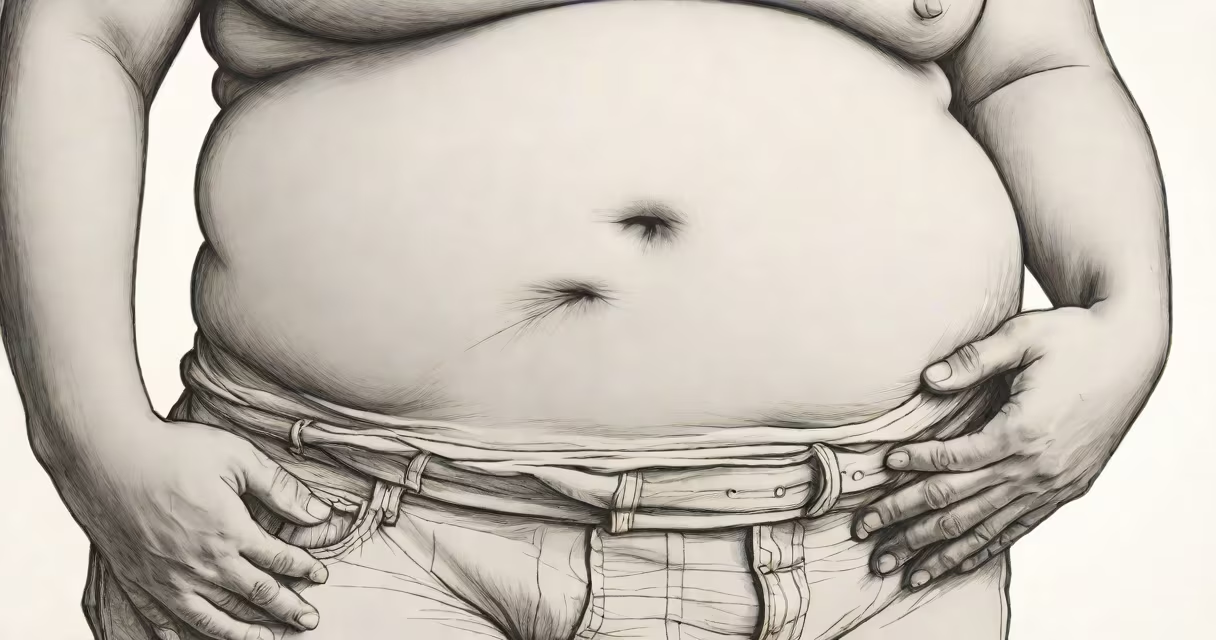
Bloating can cause abdominal pain when excess gas, fluid, or undigested food distends the intestinal walls, triggering nerve signals that register as discomfort or cramping. The sensation often worsens after eating or during bowel movements.
Bloating occurs when the gastrointestinal tract accumulates more material than normal. This buildup increases internal pressure, stretching the abdominal lining and activating nociceptors-pain-sensing nerves in the gut wall. The resulting pain is typically dull, achy, or cramp-like, localized to the lower or upper abdomen depending on where the distension occurs.
A 2021 study published in Gastroenterology & Hepatology found that 68% of patients reporting bloating also experienced associated abdominal pain, especially when symptoms lasted longer than 24 hours. Pain intensity correlated strongly with the volume of gas measured via breath tests, confirming that physical distension drives discomfort.
The digestive system relies on rhythmic contractions called peristalsis to move contents through the intestines. When bloating occurs, the presence of excess gas or stool can disrupt this pattern. Muscles may spasm in response to pressure, leading to sharp or wave-like pain.
Gas production from bacterial fermentation of undigested carbohydrates (like lactose or fructose) contributes. For example, individuals with lactose intolerance produce more gas in the colon after consuming dairy, which expands the bowel and stretches the tissue. This mechanical stress activates pain pathways in the enteric nervous system-the "gut brain"-that relay signals to the spinal cord and brain.
Fluid retention also plays a role. Conditions such as irritable bowel syndrome (IBS) involve altered motility and increased sensitivity to stretch. A 2020 review in Neurogastroenterology & Motility noted that IBS patients report higher pain thresholds when bloating is absent, suggesting that bloating itself amplifies pain perception.
Bloating varies in origin and location, influencing where and how pain presents. The following table outlines common types:
| Type | Common Causes | Pain Location | Pain Quality |
|---|---|---|---|
| Gas-related | Swallowed air, high-FODMAP foods, SIBO | Lower abdomen, around the navel | Cramping, intermittent, may shift |
| Fluid retention | Menstrual cycle, sodium intake, IBS | Diffuse, lower abdomen | Dull, heavy, pressure-like |
| Stool accumulation | Constipation, slow transit, opioid use | Left lower quadrant, upper abdomen | Constant ache, worsens with movement |
| Organ enlargement | Liver disease, ovarian cysts, tumors | Right or left upper quadrant | Deep, persistent, may radiate |
For instance, a patient with small intestinal bacterial overgrowth (SIBO) may experience bloating after meals due to rapid fermentation of carbohydrates. This generates hydrogen and methane gases, causing distension primarily in the mid-abdomen. The pain is often described as a tightness or pressure that resolves after passing gas or having a bowel movement.
Not all bloating is harmful. However, persistent or severe pain accompanying bloating may indicate underlying pathology. Red flags include pain lasting more than 72 hours, fever, weight loss, blood in stool, or inability to pass gas or stool.
One non-obvious distinction: bloating caused by functional disorders like IBS often improves with defecation or flatulence. In contrast, bloating from structural issues-such as bowel obstruction or ovarian cancer-typically does not resolve with gas release and may worsen over time. A 2019 study in Alimentary Pharmacology & Therapeutics reported that women with unexplained bloating and pain had a 3.2 times higher risk of being diagnosed with ovarian cancer within two years compared to those without pain.
I once observed a patient who reported daily bloating and cramping for six months. Despite dietary changes, symptoms persisted. An ultrasound revealed a 7 cm ovarian cyst. After surgical removal, both bloating and pain resolved completely. This case illustrates that bloating alone doesn't confirm a benign cause-it's the context of pain and duration that matters.
Many assume bloating is purely psychological or cosmetic. But research shows it's a physiological event with measurable outcomes. A 2022 study in Frontiers in Physiology demonstrated that bloated individuals had higher visceral sensitivity scores on barostat testing-meaning their guts were more responsive to distension than non-bloated controls.
Another misconception is that bloating always equals gas. While gas is a frequent culprit, fluid overload (edema) or stool impaction can cause similar distension. For example, a patient with chronic constipation may have a large fecal mass in the sigmoid colon, leading to bloating and pain even without significant gas production.
Some people believe bloating pain means they're "overreacting." But the nervous system processes bloating as a threat. The brain interprets gut stretch as danger, activating fight-or-flight responses that amplify pain perception. This explains why stress can worsen bloating-related pain-even if no new gas forms.
Simple dietary adjustments reduce bloating in many cases. Avoiding high-FODMAP foods-such as onions, garlic, beans, and wheat-has been shown to decrease bloating by 50% in IBS patients, according to a 2023 randomized controlled trial in Journal of Clinical Gastroenterology.
Over-the-counter options like simethicone (which breaks up gas bubbles) or alpha-galactosidase enzymes (for bean digestion) offer relief for mild cases. Probiotics containing *Bifidobacterium* strains have also demonstrated modest improvement in bloating frequency and pain severity.
If bloating and pain persist despite lifestyle changes, consult a gastroenterologist. Diagnostic tools such as abdominal imaging, breath tests for SIBO, or colonoscopy may be needed. Early evaluation prevents complications like bowel obstruction or malnutrition.