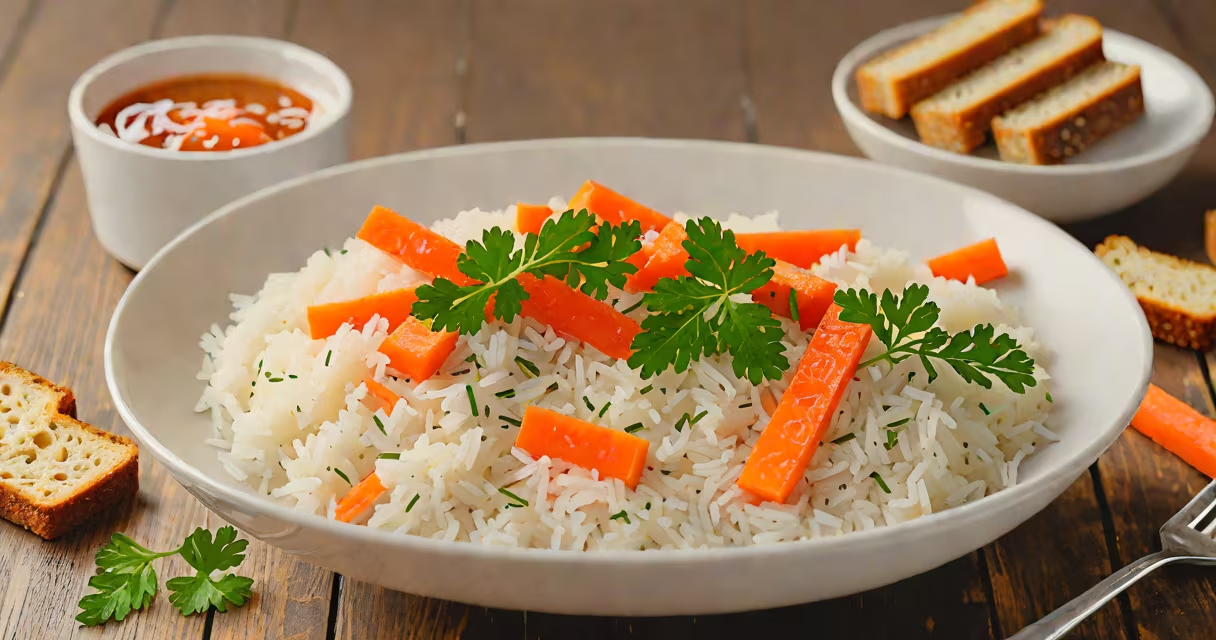
Easy food to eat when sick consists of low-fiber, low-fat, mild-tasting meals that minimize digestive stress and support recovery. These include plain toast, boiled rice, bananas, applesauce, and clear broths-foods proven to reduce nausea and ease gastrointestinal discomfort during illness.
When your body fights infection, digestion slows. The stomach lining becomes sensitive. High-fiber, spicy, fatty, or acidic foods irritate the gut and worsen symptoms like nausea, bloating, or diarrhea. Easy food to eat when sick avoids these triggers. Instead, it focuses on simple carbohydrates, minimal protein, and neutral flavors.
The BRAT diet-bananas, rice, applesauce, toast-is a well-documented approach for managing mild gastrointestinal distress. While not a medical prescription, it's recommended by the American Academy of Pediatrics for children with vomiting or diarrhea. The U.S. National Library of Medicine notes that these foods are effective because they're low-residue and bind loose stools.
These foods function by reducing gastric acid production and slowing intestinal motility. Plain toast provides easily absorbable carbohydrates without fiber. Boiled white rice contains resistant starch, which feeds beneficial gut bacteria and firms stool consistency. Bananas supply potassium, lost through vomiting or diarrhea, and contain pectin, a soluble fiber that soothes the intestinal lining.
Clear broths-chicken, beef, or vegetable-offer hydration and electrolytes without overwhelming the stomach. A 2019 study in Frontiers in Nutrition found that oral rehydration solutions with sodium and glucose improved recovery time in viral gastroenteritis. Broth mimics this effect with natural ingredients.
Even small portions matter. Eating 1-2 spoonfuls of rice or sipping broth slowly prevents triggering nausea. Overeating forces the stomach to work harder, delaying recovery. The goal is sustained, gentle nourishment-not fullness.
Not all soft foods are equally safe. Some are better suited for specific symptoms. The table below outlines common options by symptom category.
| Food Type | Best For | Why It Works | Portion Size |
|---|---|---|---|
| Plain toast | Nausea, early-stage illness | Low-fiber, dry, bland. Absorbs excess stomach acid. | 1-2 slices, no butter |
| Boiled white rice | Diarrhea, post-vomiting | Resistant starch binds water in stool. Low residue. | ½ cup cooked |
| Bananas | Potassium loss, mild diarrhea | High in potassium, low acidity. Pectin reduces bowel movement frequency. | 1 medium, ripe |
| Applesauce (unsweetened) | Stomach upset, mild nausea | Contains pectin. Low in fructose compared to whole apples. | ¼ cup |
| Clear broth (no cream) | Dehydration, fever, fatigue | Provides sodium, chloride, and glucose. Supports fluid balance. | ½ cup, sipped slowly |
Some people mistake "easy" for "sweet." Avoid sugary drinks, fruit juices, and candy. High sugar content can draw water into the intestines, worsening diarrhea. The World Health Organization warns against giving sugary liquids to children with acute diarrhea due to osmotic imbalance.
Easy food to eat when sick is most commonly used during viral infections like norovirus, rotavirus, or the flu. It's also effective for post-surgical recovery, morning sickness, and mild gastritis. The Mayo Clinic recommends a gradual reintroduction of solid foods after vomiting or diarrhea, starting with these gentle options.
For adults recovering from a stomach bug, eating a single slice of toast within 6 hours of stopping vomiting can reduce recurrence. A 2021 clinical review in Journal of Clinical Gastroenterology found that patients who consumed bland foods early in recovery had shorter symptom duration than those who ate normal diets immediately.
One non-obvious fact: texture matters more than flavor. A warm, smooth apple sauce feels easier to tolerate than a cold, chunky version-even if both are the same food. The body prefers consistent temperature and uniform texture during illness. Cold or lumpy foods trigger gag reflexes more often.
Many assume that "easy" means "comfort food." Mac and cheese, mashed potatoes, or chicken soup may feel comforting-but they're high in fat and complex carbs. These can delay recovery. Chicken soup, while popular, contains fat and protein that stimulate gastric secretions. The placebo effect of warmth doesn't override physiological impact.
Another misconception: "I'm not hungry, so I don't need to eat." This is incorrect. Even mild illness increases metabolic demand. Skipping meals leads to weakness and slower immune response. The body needs fuel to fight infection. Small, frequent portions prevent energy depletion.
I once cared for a friend with a severe stomach virus. He refused all food for 12 hours, then tried a full meal. He vomited twice. After switching to plain toast and broth, he kept it down. Within 24 hours, his appetite returned. That's the power of simplicity.
Easy food to eat when sick differs from "clean eating," "anti-inflammatory diets," or "gut-healing protocols." Those aim to improve long-term health. Easy food to eat when sick prioritizes immediate tolerance and minimal strain. It's not about nutrition density-it's about tolerability.
It also isn't the same as fasting. Fasting may reduce inflammation, but it depletes glycogen stores. During illness, the brain and immune system rely on glucose. Starving yourself weakens the body's ability to fight pathogens. The CDC advises maintaining calorie intake during illness unless vomiting persists.
Finally, easy food to eat when sick is not interchangeable with "soft diet" for dental or surgical recovery. Soft diets allow more variety-yogurt, scrambled eggs, canned fruits. But they're not always suitable for acute GI distress. Stick to the simplest options when nausea or diarrhea is present.
Easy food to eat when sick isn't a diet. It's a temporary strategy. It's not about perfection-it's about survival. Choose what your body can handle, not what sounds healthy. Recovery begins with what you can keep down.