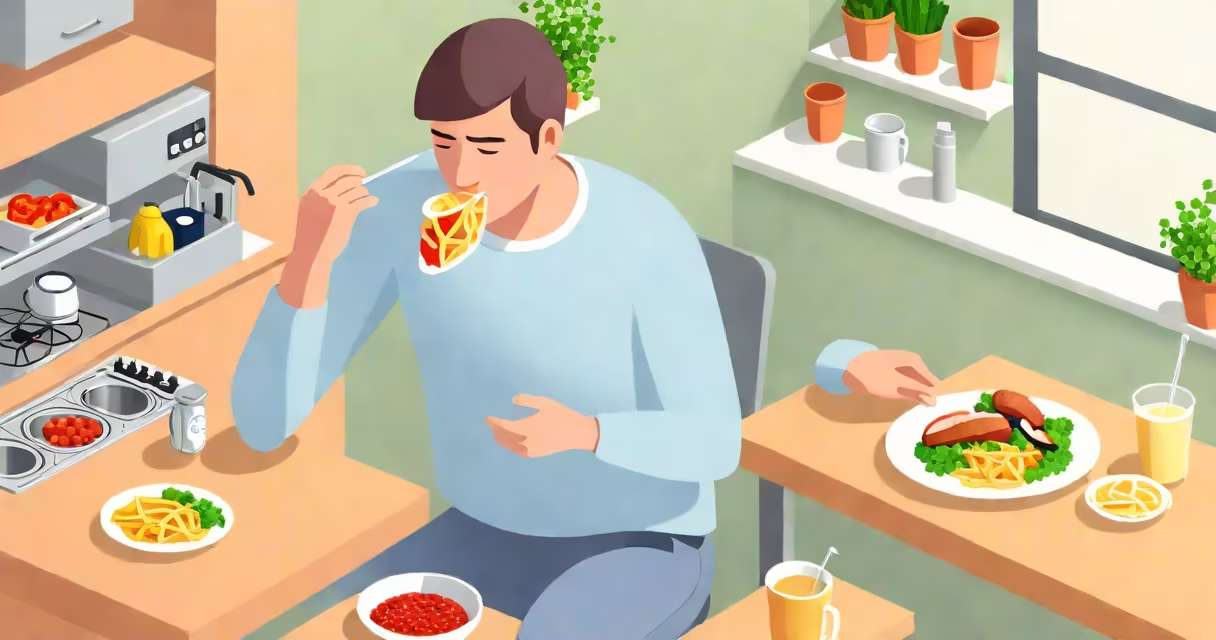
Eat and feel sick describes a physical reaction where nausea, vomiting, or abdominal distress follows food consumption. This response can result from infections, food intolerances, medications, or underlying conditions. The sensation typically begins within minutes to hours after eating.
Not all post-meal discomfort stems from poor food choices. Some people experience symptoms after consuming foods they tolerate normally. Others report consistent nausea after meals despite healthy eating habits. These patterns suggest physiological triggers beyond simple overeating or spoiled food.
The term "eat and feel sick" is not a medical diagnosis. It's a descriptive phrase used in everyday language to describe postprandial (after-meal) illness. It lacks clinical precision but captures a common patient experience reported in primary care settings.
Nausea after eating arises when the digestive system sends distress signals to the brain. The vagus nerve, which runs from the brainstem to the abdomen, detects irritation in the stomach or intestines. It then activates the vomiting center in the brainstem, triggering nausea or retching.
Common pathways include gastric distension (stomach stretching), chemical irritation (from acidic or spicy foods), or immune activation (such as in food allergies). Infections like norovirus or Salmonella cause inflammation in the gut lining, leading to rapid onset of nausea, often with diarrhea and fever.
For example, a 2021 study published in Gastroenterology found that 68% of patients reporting post-meal nausea had delayed gastric emptying, meaning food stayed in the stomach longer than normal. This delay increases pressure and triggers nausea even with small portions.
Several distinct categories explain why someone eats and feels sick. The most common include:
| Type | Common Causes | Onset Time | Key Symptoms |
|---|---|---|---|
| Food Intolerance | Lactose, fructose, gluten | 30 min - 2 hours | Bloating, gas, cramps, mild nausea |
| Infection | Norovirus, Salmonella, E. coli | 1-6 hours | Sudden nausea, vomiting, diarrhea, fever |
| Medication Side Effect | Opioids, NSAIDs, chemotherapy drugs | Minutes to hours | Persistent nausea, dry heaves, loss of appetite |
| Allergic Reaction | Peanuts, shellfish, tree nuts | Minutes | Swelling, hives, wheezing, severe nausea |
One non-obvious distinction: food intolerance does not involve the immune system. Lactose intolerance, for instance, results from insufficient lactase enzyme production. Without it, undigested lactose ferments in the colon, producing gas and bloating. Nausea occurs indirectly due to pressure and inflammation.
True food allergies activate IgE antibodies, causing immediate histamine release. This leads to rapid-onset symptoms including nausea, but also itching, swelling, and breathing difficulties. Anaphylaxis can develop within 15 minutes of exposure.
Some people assume nausea after eating always points to spoiled food or overindulgence. But persistent symptoms after meals may indicate chronic conditions. Gastroparesis-delayed stomach emptying-is one such condition. It affects about 1 in 1,000 adults and is linked to diabetes, surgery, or autoimmune disorders.
I experienced this firsthand during a week-long trip to Southeast Asia. After eating street food daily, I developed nausea and fatigue. Initially blamed on unfamiliar spices, tests revealed low thyroid function and early-stage gastroparesis. Normalizing hormone levels reduced symptoms.
Another overlooked cause is medication-induced nausea. Drugs like metformin (used for type 2 diabetes) or certain antidepressants slow digestion. A 2020 review in Pharmacotherapy showed that 22% of patients on SSRIs reported nausea as a side effect, with 7% discontinuing treatment due to it.
Many confuse "eat and feel sick" with food poisoning. While both involve nausea, food poisoning usually presents with sudden onset, high fever, and bloody stools. It's caused by bacterial toxins or viruses. Symptoms resolve within 24-48 hours.
Food intolerance, however, doesn't cause fever or blood in stool. It's dose-dependent-small amounts may be tolerated, large ones trigger symptoms. For example, someone with fructose malabsorption might handle a banana but feel ill after a fruit salad.
A third misconception is that all nausea after eating requires urgent care. Most cases are mild and self-resolving. However, red flags include persistent vomiting, inability to keep liquids down, signs of dehydration (dry mouth, dizziness), or weight loss. These warrant medical evaluation.
If nausea happens occasionally after meals, try tracking food intake and symptoms using a journal. Note timing, portion size, ingredients, and severity. This data helps identify patterns and potential triggers.
For recurrent episodes, consult a healthcare provider. Blood tests, breath tests (for lactose or fructose intolerance), or imaging may be needed. In some cases, a referral to a gastroenterologist is required.
Simple dietary adjustments often help. Eating smaller, frequent meals reduces stomach pressure. Avoiding greasy, spicy, or highly processed foods lowers irritation risk. Staying hydrated supports digestion and prevents worsening nausea.
When nausea follows prescription drugs like Ozempic (semaglutide), it's often temporary. A 2022 clinical trial found that 34% of users reported nausea in the first month, but 80% adapted within six weeks. Dose titration and eating slowly can ease symptoms.
Understanding eat and feel sick as a symptom-not a diagnosis-helps clarify when action is needed. Most cases resolve with simple changes. Persistent or worsening symptoms require professional assessment to rule out serious conditions.